The Hidden Dangers of Extra Weight on Heart, Kidney, and Gut Health
Body Mass Index (BMI) is a common metric used to assess whether an individual has a healthy weight. It categorizes individuals as underweight, healthy, overweight, or obese. Many people tend to overlook minor weight increases, especially after festive seasons filled with rich foods. However, even a small weight gain can lead to significant health consequences, placing additional strain on vital organs.
According to Dr. V Mohan, a diabetes specialist, extra weight elevates the risks of serious conditions such as type 2 diabetes, heart disease, and fatty liver disease.
Health Risks of Extra Weight
Dr. Mohan highlights that ignoring weight gain can be life-threatening. Citing the 2025 World Heart Report, he notes that one in ten deaths from heart disease is connected to high BMI or large waist circumference.
How Obesity Affects Heart Health
Excess weight places additional pressure on the heart and blood vessels, heightening the risk for heart disease. Fat accumulation around the abdomen can lead to increased blood pressure and cholesterol levels.
Impact on Gut, Liver, and Kidneys
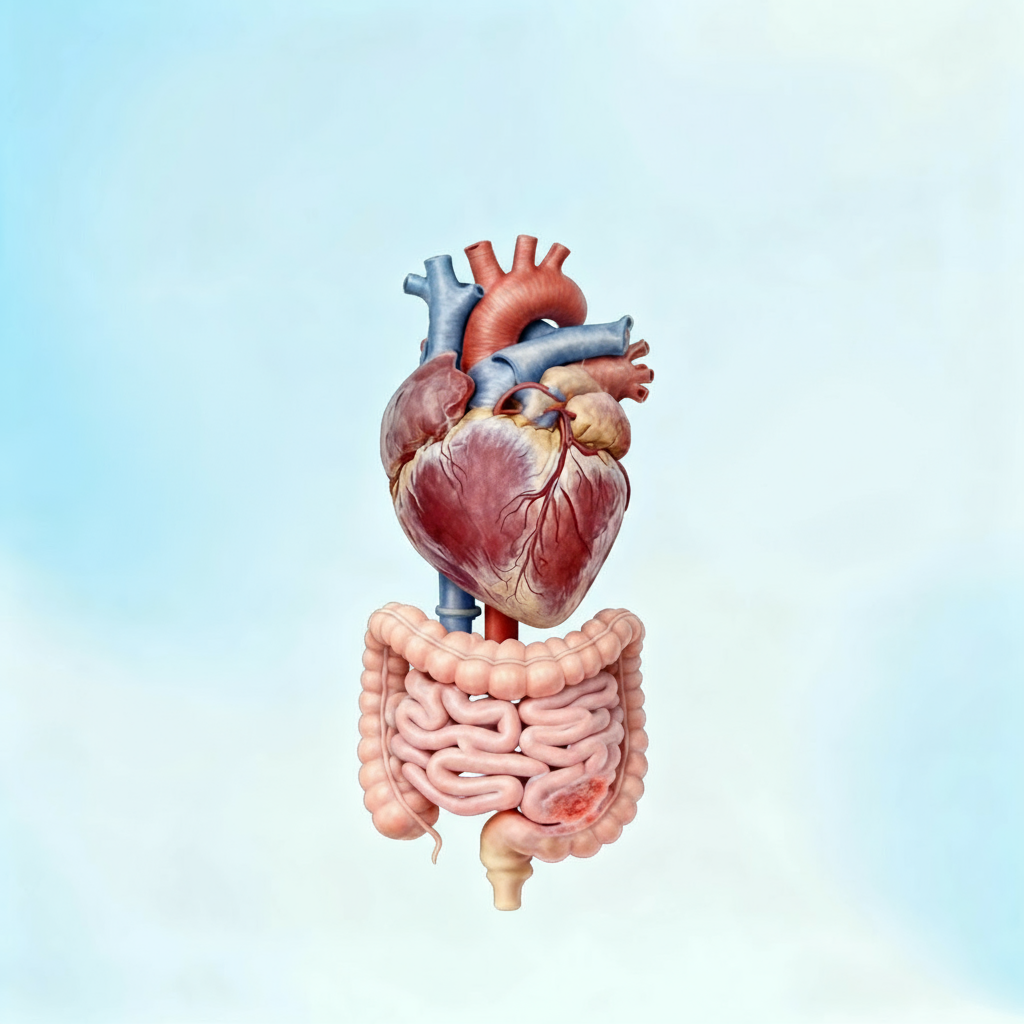
The ill effects of excess weight extend beyond the heart. It adversely affects other organs, including the gut, liver, and kidneys. Dr. Mohan explains that visceral fat—fat that surrounds internal organs—is particularly harmful.
In the liver, this fat can cause inflammation and scarring, while the kidneys work harder to filter blood, potentially leading to long-term damage. Moreover, excess weight disrupts the balance of beneficial gut bacteria, leading to inflammation and digestive issues.
Metabolic Changes
Extra weight also interferes with metabolic processes. Dr. Mohan notes that weight gain can trigger insulin resistance, a precursor to type 2 diabetes. Additionally, it can cause fluctuations in blood pressure and cholesterol levels, alongside chronic inflammation.
Beyond BMI: A Comprehensive View of Health
While BMI is a useful tool, it does not provide a complete picture of an individual's health. Waist size and waist-to-height ratios are more accurate indicators of abdominal fat, which correlate closely with metabolic diseases. Advanced tests like DEXA or MRI scans can offer more detailed insights into body composition.
In conclusion, while BMI is a helpful reference, it should be combined with other metrics for a clearer understanding of health risks associated with weight.
Does this topic interest you?






 30 June 2026