Overview
Specifically, it is situated within the Govind National Park, which is known for its stunning landscapes, diverse flora and fauna, and challenging trekking and mountaineering opportunities.Its distinctive shape, resembling a cobra’s head, adds to its mystique, making it a coveted destination for thrill-seeking mountaineers.
With a rich history dating back to the early 20th century, Black Peak witnessed its first attempts by British mountaineers and was eventually conquered by an Indo-Tibetan Border Police (ITBP) team in 1979. Since then, it has beckoned adventurers from around the globe, all enticed by its rugged terrain and awe-inspiring vistas.
According to local folklore, Black Peak holds significant mythological importance in the region, believed to be the abode of Lord Shiva, a revered figure in Hindu mythology. The mountain is also thought to be guarded by protective mountain deities.
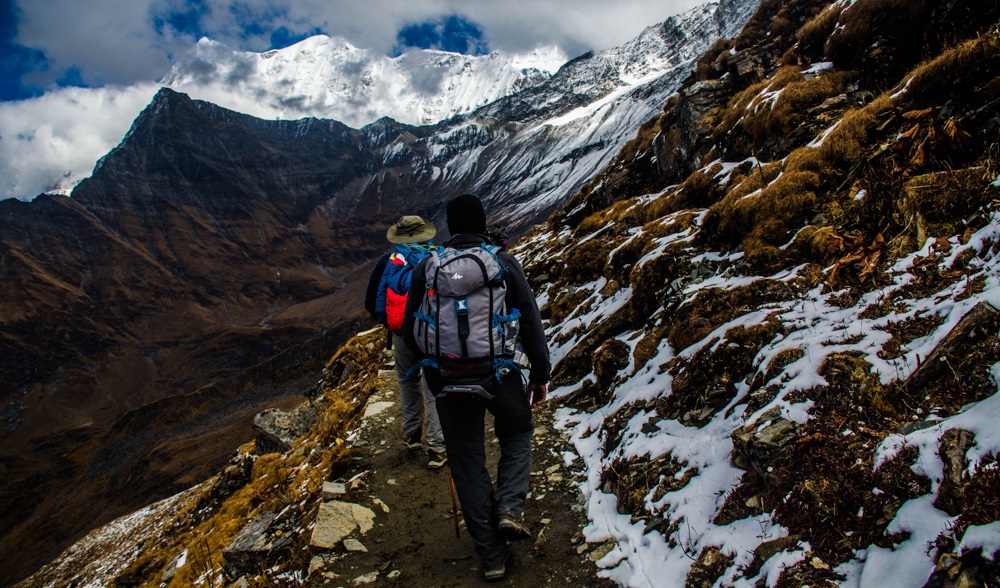
Embarking on the Black Peak expedition takes trekkers through the pristine landscapes of the Govind National Park, an area teeming with diverse flora and fauna, providing a unique experience for nature enthusiasts. The trail winds through alpine meadows, pine forests, moraine ridges, boulders, and glacial basins, revealing breathtaking beauty at every turn. Trekkers navigate crevassed snowfields, lush green meadows, glaciers, thick forests, scattered streams, and miles of rocky moraines, offering a diverse and captivating trekking experience.
Short itinerary
Day 1: Arrival in Dehradun
Day 2: Dehradun to Sankri (Drive)
Day 3: Sankri to Juda Ka Talab
Day 4: Juda Ka Talab to Kedarkantha Base
Day 5: Kedarkantha Base to Kala Nag Base Camp
Day 6: Acclimatization Day
Day 7: Kala Nag Base Camp to Advance Base Camp (ABC)
Day 8-11: Summit Attempt and Descend
Day 12: Reserve Day
Day 13: Sankri to Dehradun (Drive)
Day 14: Departure
Also read – https://himachal.blog/friendship-peak-himalayan-heights-to-lasting-bonds/
Do’s and don’ts of Black Peak Expedition
Do’s: Spend time acclimatizing to the high altitude to reduce the risk of altitude sickness. Follow the recommended itinerary with gradual ascents.
Ensure you are in excellent physical condition. Engage in a pre-trek fitness routine to build stamina, strength, and endurance.
Conduct a thorough gear check before the expedition. Ensure all equipment, including climbing gear and clothing, is in good condition.
Join a guided expedition led by experienced and certified guides familiar with the terrain and potential challenges of Black Peak.
Stay well-hydrated and maintain a balanced diet. Proper nutrition is crucial for sustained energy during the trek.
Stay informed about the weather conditions. Be prepared for sudden changes in weather and pack accordingly.
Familiarize yourself with emergency procedures and carry necessary communication devices like a satellite phone or radio.
Obtain all necessary permits and adhere to local regulations. Respect the cultural and environmental norms of the region.
Don’ts:
Avoid rushing the acclimatization process. Ascend gradually to allow your body to adjust to higher altitudes.
Avoid trekking or climbing solo, especially in challenging terrains. Always be part of a group led by experienced guides.
Don’t overpack unnecessary items. Keep your backpack light and carry only essential gear to minimize physical strain.
Avoid disturbing local ecosystems. Stay on designated trails and respect the natural surroundings.
Don’t underestimate the difficulty of the expedition. Be mentally prepared for the challenges that high-altitude trekking and climbing present.
Don’t neglect emergency protocols. Know the evacuation procedures and be prepared to act swiftly in case of emergencies.
Trek Details :
Things to carry :
- Insulated jacket
- Waterproof and windproof jacket and pants
- Thermal inner layers
- Moisture-wicking base layers
- Fleece or softshell jacket
- Trekking pants and shorts
- Sun hat and warm hat (beanie)
- Gloves (thermal and waterproof)
- Sturdy and waterproof trekking boots with ankle support
- Gaiters to keep snow and debris out of boots
- Sandals or camp shoes for rest breaks
- Backpack with rain cover
- Sleeping bag suitable for cold temperatures
- Sleeping pad for insulation
- Trekking poles for stability on uneven terrain
- Headlamp or flashlight with extra batteries
- Sunglasses with UV protection
- Crampons
- Ice axe
- Harness
- Carabiners and ropes
- Passport and any required permits
- Travel insurance documents
- Trekking itinerary and emergency contacts
- Personal medications and prescriptions
- Fully charged mobile phone with a power bank
- Camera or smartphone for photos
- Optional: GPS device or compass
- Whistle
- Emergency shelter (lightweight tent or space blanket)
- Firestarter (matches or lighter)
Fitness Required
The Black Peak (Kalanag) expedition is specifically designed for seasoned trekkers seeking to push their limits. The challenges inherent in this trek should not be underestimated. Prospective participants are advised to consider attempting this expedition only if they have prior experience with treks reaching altitudes of 5000 meters and above. Acclimatization to mountainous environments is crucial, and individuals unable to adapt to high altitudes are discouraged from opting for this trek.
Therefore Before embarking on the Black Peak expedition, it’s advisable to undergo a thorough medical check-up to ensure you are in good health and consult with a fitness professional or trekking expert. If you’re new to high-altitude trekking or mountaineering, consider participating in shorter, less challenging treks to build your fitness and acclimatization.
