Shimla 14°C, clear Manali 8°C, light snow above 2400m NH3 Chandigarh–Manali: open, no restrictions HP govt jobs: new postings this week Dharamshala 12°C, overcast Apple mandi rate, Shimla: ₹68–82/kg Shimla 14°C, clear Manali 8°C, light snow above 2400m NH3 Chandigarh–Manali: open, no restrictions HP govt jobs: new postings this week Dharamshala 12°C, overcast Apple mandi rate, Shimla: ₹68–82/kg

Category: Travel

  • A slow weekend in McLeod Ganj: monasteries, cafés and the walk to Triund

    A slow weekend in McLeod Ganj: monasteries, cafés and the walk to Triund

    McLeod Ganj gets treated as a day trip from Dharamshala by a lot of visitors, which is a mistake — the town rewards slowing down, particularly if you have any interest in Tibetan Buddhist culture or just want a hill town that isn’t primarily built around trekking logistics.

    The monasteries

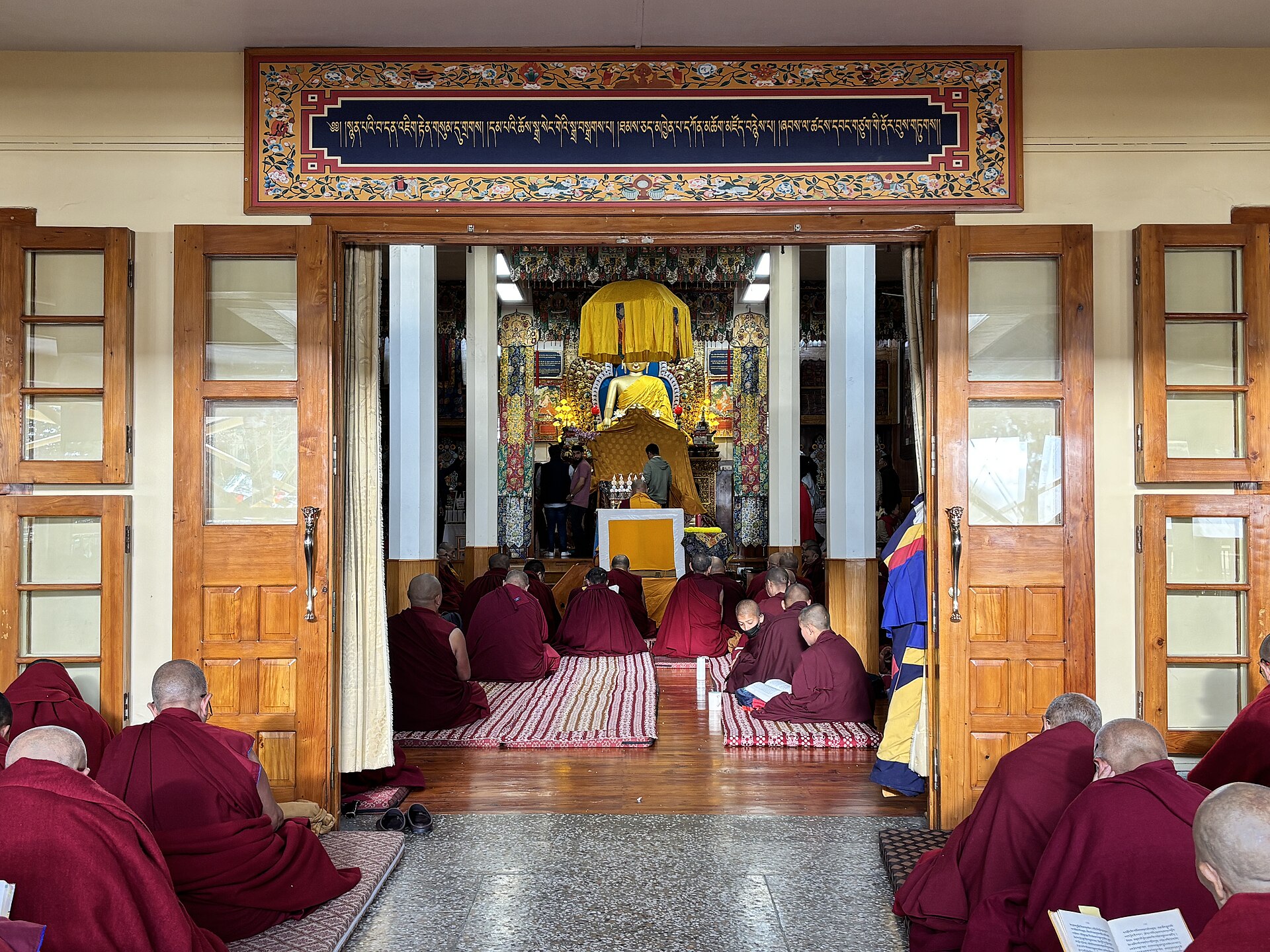
    Namgyal Monastery, attached to the Dalai Lama’s residence, is the obvious starting point and is open to visitors most days outside of religious ceremonies — check the gate for notices before planning your visit around it. The Tsuglagkhang complex around it is worth an unhurried hour, not a fifteen-minute photo stop.

    The walk to Triund

    If you have a spare day, the walk up to Triund is a genuinely rewarding half-day trek — about 9km each way from McLeod Ganj, climbing through rhododendron forest to a ridge with a direct view of the Dhauladhar range. It’s steep enough to feel like a proper hike without requiring any technical gear, which makes it one of the more accessible high-altitude viewpoints in this part of Himachal.

    Cafés and where to base yourself

    Bhagsu and Dharamkot, the two neighbourhoods just above McLeod Ganj proper, have quieter guesthouses and a slower pace than the main market — worth considering if you’re staying more than two nights. The main square in McLeod Ganj itself is where most of the Tibetan-run cafés and momo stalls are concentrated, and it’s an easy walk between all three areas.

    Best time to visit

    March to June and September to November give the clearest mountain views. Monsoon months bring heavy cloud cover that can obscure the Dhauladhar range for days at a stretch, and winter (December–February) is cold but usually clear, with occasional snow on the Triund route.

  • Kasol to Kheerganga: a first-timer’s guide to the trek

    Kasol to Kheerganga: a first-timer’s guide to the trek

    Kasol to Kheerganga is the trek most first-time visitors to the Parvati valley end up doing, and for good reason — it’s a genuinely achievable overnight trek for someone with no prior experience, with a hot spring waiting at the top as a reward. Here’s what the guidebooks don’t always spell out.

    The route

    Most people start from Barshaini, a 40-minute shared-taxi ride from Kasol, rather than walking the road stretch. From Barshaini it’s roughly 12km to Kheerganga, climbing through Nakthan and Rudranag along a trail that’s well-marked and dotted with small dhabas selling tea and Maggi — you genuinely don’t need to carry much food.

    How long it takes

    Budget 5 to 6 hours up at a comfortable pace with stops, less if you’re fit and moving quickly. Most people camp overnight at Kheerganga and come back down the next morning — doing it as a single-day there-and-back is possible but rushes the one part of the trip worth lingering on: the hot spring at sunset, once the day-trip crowds have thinned out.

    Where to stay

    Tents and basic dhabas at Kheerganga itself handle overnight stays without advance booking in most seasons, though it’s worth calling ahead in peak October weekends when the campsite fills up. Sleeping bags are rentable on-site if you’re travelling light.

    When to go

    • Best window: March–June and September–November.
    • Monsoon (July–August) makes the trail slippery and leech-heavy — avoid unless you’re experienced.
    • Winter access is possible but requires snow gear past Rudranag after heavy snowfall.

    Entry to Kheerganga currently involves a small forest entry fee collected at a checkpoint along the trail — carry cash, card machines don’t work this far up.

  • The unmarked trail behind Tosh most trekkers never find

    The unmarked trail behind Tosh most trekkers never find

    Most people who reach Tosh come for one thing: the well-trodden trail up to Kheerganga, with its hot spring and its steady stream of trekkers photographing the same ridge line. Fewer of them notice the second trail — the one that forks left just past the last guesthouse at the top of the village and disappears into the deodar treeline instead of climbing toward the pass.

    Where the trail starts

    Walk to the very top of Tosh village, past the last row of wood-and-stone homestays, and look for a narrow stone staircase between two houses rather than the wide dirt path everyone else is following. It isn’t signposted. Locals use it to reach a set of upper grazing meadows that most guesthouse owners won’t mention unless you ask directly — it’s not that it’s secret, it’s just not part of the standard pitch to first-time visitors.

    What to expect

    The climb is steeper than the Kheerganga route for the first forty minutes, through forest rather than open hillside, which means shade for most of the morning — worth knowing if you’re walking in September when the main trail gets uncomfortably exposed by midday. It levels out into a series of small meadows with a clear view back down the Parbati valley toward Kasol, and unlike Kheerganga, you’ll likely have them to yourself.

    There’s no hot spring at the end, no dhaba selling Maggi and chai. What you get instead is quiet, and a genuinely different angle on the valley than the one in every Kasol Instagram post.

    When to go

    Best walked October to March, once the monsoon leeches clear out and before the meadows turn muddy with spring melt. Winter access depends on snowfall — after a heavy dump the upper meadows are only realistic for people carrying proper gear, not a casual half-day walk.

    Practical notes

    • Round trip from the top of Tosh village: roughly 3 hours at an easy pace.
    • No facilities en route — carry water and snacks.
    • Ask at your homestay for the current state of the staircase entrance; it gets overgrown in late summer.
    • Mobile signal disappears within ten minutes of leaving the village.
  • Himachal Pradesh: India’s Gem on the 2026 Most Welcoming Regions List

    Himachal Pradesh: India’s Gem on the 2026 Most Welcoming Regions List

    Himachal Pradesh has earned a prestigious spot as India’s only entry in the 2026 Most Welcoming Regions on Earth, showcasing its exceptional hospitality and charm.

    When planning your next trip, what do you prioritize? Famous landmarks, hidden gems, and delightful street food are certainly important. However, the warmth and hospitality of the local people can elevate your experience to unforgettable heights.

    If you’re considering a travel destination, Himachal Pradesh should be at the top of your list. Recognized in Booking.com’s Traveller Review Awards 2026, the region ranked fifth overall, highlighting its commitment to providing outstanding hospitality.

    Himachal Pradesh: A Top Destination

    Booking.com released two lists for their 2026 awards: one for the Most Welcoming Cities and another for the Most Welcoming Regions. Himachal Pradesh stood out as the only Indian region in the top ten, with Hidalgo, Mexico, taking the top spot.

    2026’s Most Welcoming Regions on Earth:

    1. Hidalgo, Mexico
    2. Newfoundland and Labrador, Canada
    3. Navarra, Spain
    4. Idaho, United States
    5. Himachal Pradesh, India
    6. Sachsen, Germany
    7. Phang Nga, Thailand
    8. Overijssel, Netherlands
    9. Epirus, Greece
    10. Chiriquí, Panamá

    Explore Himachal Pradesh

    Himachal Pradesh is a treasure trove of experiences. From the vibrant Mall Road in Shimla to adventure sports in Solang Valley, it caters to all types of travelers. Spiritual seekers may find solace in the monasteries of Dharamshala and McLeod Ganj, while adrenaline junkies can explore the rugged terrains of Lahul and Spiti.

    In essence, Himachal Pradesh promises to make any visit memorable, not just for its breathtaking scenery but for the warmth of its people. Your trip will be enriched by the genuine hospitality that the locals extend to every visitor.

  • Living the Dream: How a Remote Corporate Employee Thrives in Manali

    Living the Dream: How a Remote Corporate Employee Thrives in Manali

    Meet Manisha, a remote corporate professional who traded the hustle of city life for serene mountain living in Manali. In her recent videos, she shares insights into her monthly budget, revealing that her total expenses are surprisingly manageable.

    Living in a cozy 1RK apartment, Manisha pays ₹15,000 in rent. With the stunning views and peaceful surroundings, she describes it as worth every penny. Her monthly expenses, including groceries and dining out, total less than ₹25,000.

    Manisha primarily cooks her meals, spending about ₹4,000 on groceries. When she opts to eat out, her costs rise by another ₹3,000 to ₹4,000. Since she works from home, she enjoys a commute-free lifestyle, occasionally using auto services, which never exceed ₹1,000 monthly.

    In her Instagram videos, she emphasizes that a high quality of life doesn’t require a high price tag. This lifestyle choice reflects a growing trend among young professionals who prioritize well-being and aesthetics over urban proximity.

    Manisha’s journey illustrates the potential for remote work to enhance personal fulfillment, proving that living in a beautiful location can be both financially viable and emotionally rewarding.

    As she puts it, “Unlike Mumbai, I live in heaven, and it’s worth every penny.” Indeed, her story inspires others to consider the benefits of a remote working lifestyle in scenic settings.

  • Winter Wonderland: Landour and Shimla Transform Under Fresh Snow

    Winter Wonderland: Landour and Shimla Transform Under Fresh Snow

    The anticipation for a proper winter has finally come to fruition as Landour and Shimla are blanketed in fresh snow, creating a stunning winter landscape. This recent snowfall has transformed these popular hill stations into picturesque white paradises, mesmerizing both locals and visitors alike.

    Landour, the serene sister town of Mussoorie, greeted residents with the enchanting sight of snowflakes falling gently. The deodar-lined streets and colonial rooftops were covered in a thick layer of white, capturing the hearts of many. One Instagram user commented, “Too late for this, but at least it did snow. More than happy. Love winter.” Another video showcased the peaceful beauty of the hills, with a caption declaring, “The wait is over! First snowfall of the season in Landour, and it’s coming down beautifully.”

    Meanwhile, Shimla, known as the Queen of Hills, also lived up to its name as videos from the Ridge and Mall Road displayed the joy of locals and tourists in the snow. This rare occurrence, especially in recent years, has led to a flood of ‘fairytale’ and ‘magical’ clips on social media.

    On January 23, the India Meteorological Department issued a fresh alert for widespread snowfall and rainfall across Himachal Pradesh, warning of potential disruptions to daily life. The IMD has forecasted a new western disturbance impacting the region, which may bring multiple spells of moderate to heavy snowfall over the coming days.

  • Discover the Best Time to Experience Snowfall in Shimla

    Discover the Best Time to Experience Snowfall in Shimla

    Shimla, often referred to as the “Queen of the Hills,” offers a magical winter experience. The best time to witness snowfall in Shimla typically spans from late December to mid-February, when the region transforms into a winter wonderland.

    As December progresses, the forests around Shimla begin to lose their vibrant colors, making way for the first blanket of snow. However, the snowfall occurs within a narrow timeframe, so planning ahead is crucial.

    When Does Snowfall Begin?

    Snowfall usually starts towards the end of December and continues until mid-February. Early December tends to be dry, with temperatures dipping below freezing, while the last week of December marks the onset of potential snowfall.

    Peak Snowfall Season

    The first significant snow often falls around Christmas or New Year, drawing crowds to popular spots like the Ridge and Mall Road. January is generally the coldest month, characterized by more frequent and heavier snowfall, making it the most reliable time for snowfall.

    December or January: Which is Better?

    While December can be festive with the holiday crowd, January is typically more dependable for those eager to see snow.

    Best Locations for Snowfall in Shimla

    While snow can fall in the heart of Shimla, higher elevations like Kufri and Narkanda often receive it earlier and more consistently. Mashobra’s forest trails and Jakhoo Hill are also excellent spots for snow.

    Weather Conditions

    During snowfall, daytime temperatures generally range from 0°C to 5°C, while nighttime temperatures can drop to between –1°C and –5°C. It’s important to dress warmly and be prepared for cold winds.

    For the best chance of experiencing snow-covered landscapes, plan your visit from late December to mid-February.

    FAQs

    When is the best time to see snowfall in Shimla?

    January is often regarded as the most reliable month for snowfall.

    Does Shimla receive snow every December?

    Snowfall in December is possible, but it’s not guaranteed, usually occurring later in the month.

  • Exploring the Enigmatic Malana Village

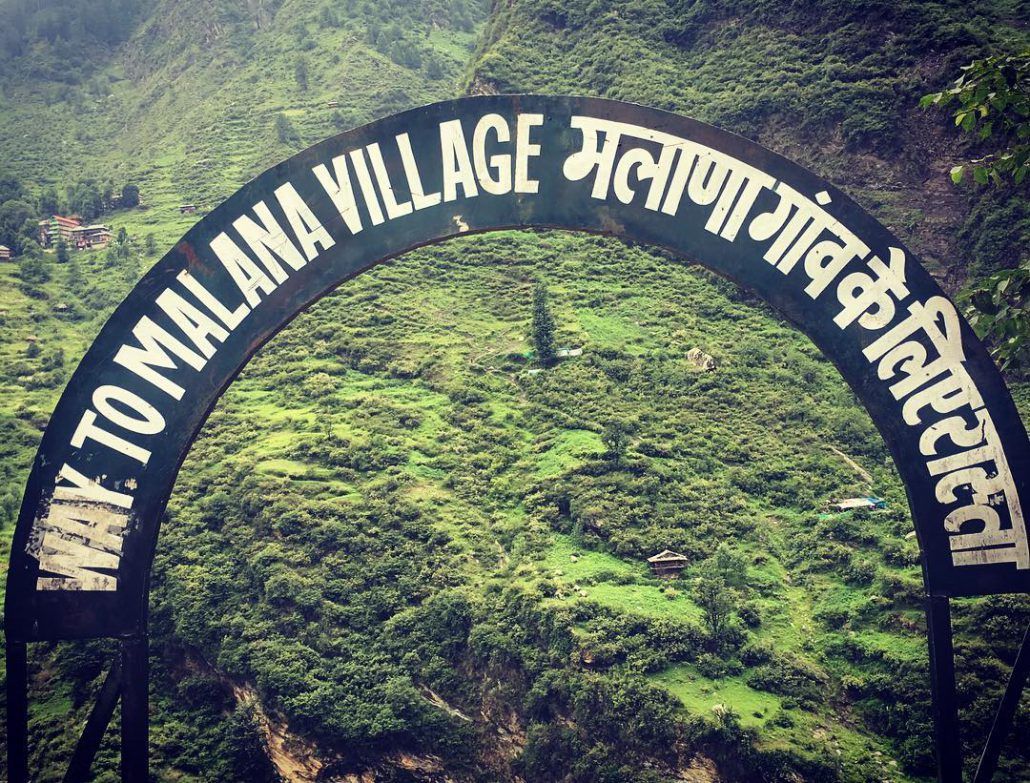
    Exploring the Enigmatic Malana Village

    A Glimpse into History

    Believed to be one of the oldest democracies in the world, Malana traces its origins back to ancient times, with legends suggesting that its inhabitants are descendants of Alexander the Great’s army. The village has preserved its unique social structure and traditions over the centuries, maintaining a strict code of conduct and governance that sets it apart from neighboring communities.

    Main attractions of Malana Village

    1. The Isolated Enclave –

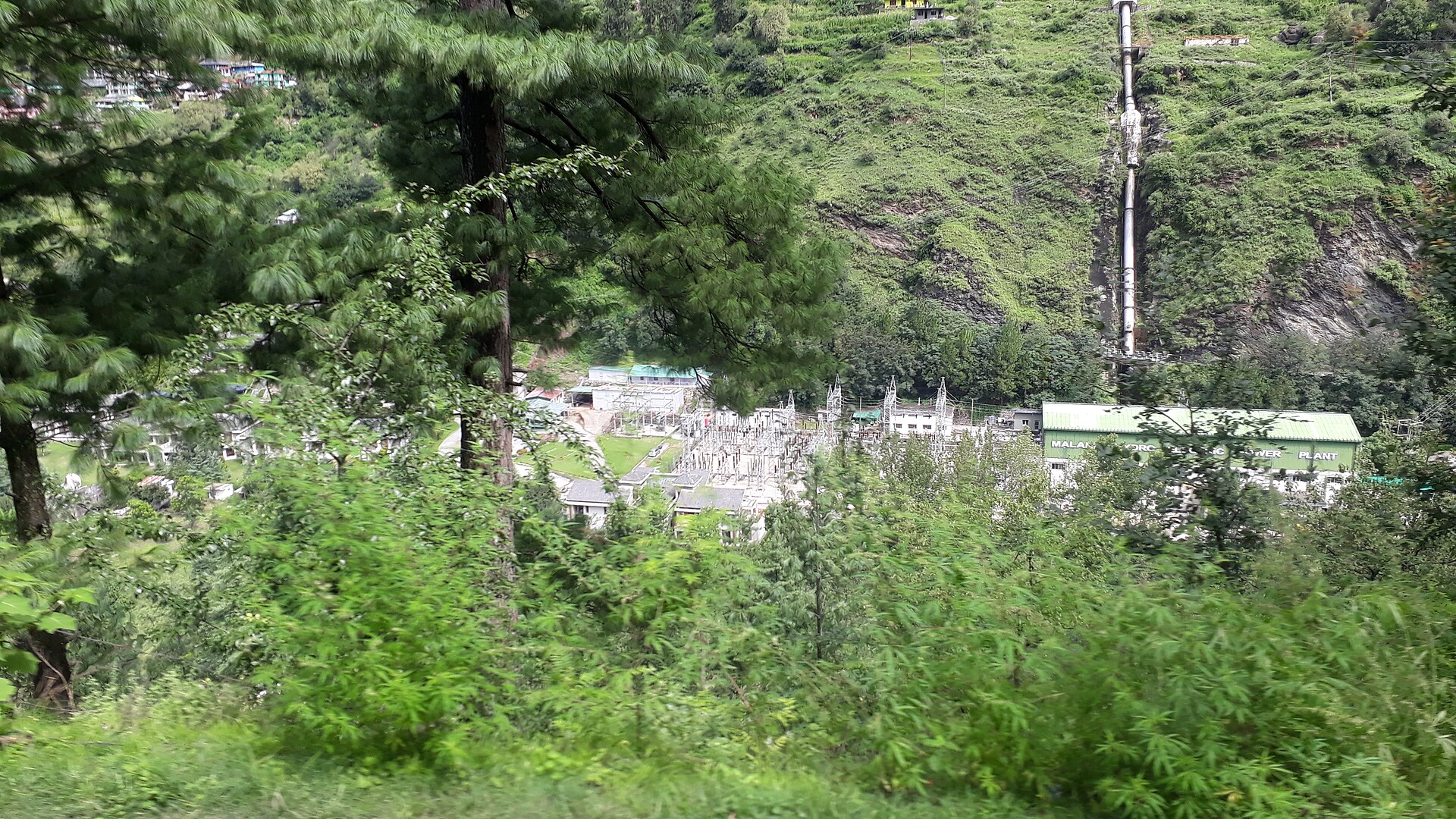
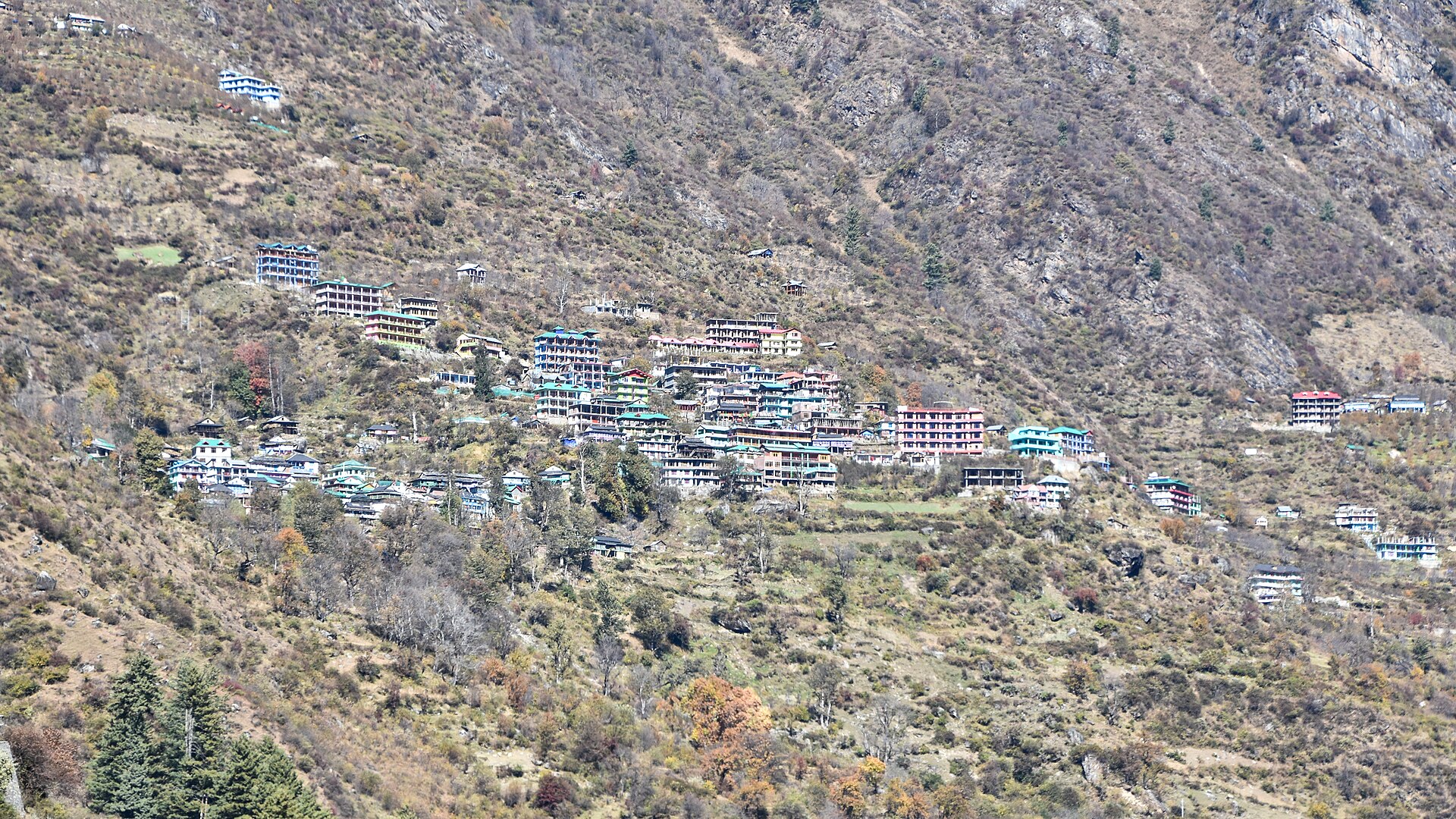
    Situated at 9,938 feet (3,029 meters), Malana is secluded from the outside world by rugged terrain and treacherous mountain passes. Accessible only by foot or on mule-back, reaching the village requires traversing narrow paths and crossing rushing streams, adding to its mystique and allure.

    2. Distinct Culture and Traditions –

    What truly sets Malana apart is its distinct culture and customs, which remain unchanged despite the passage of time. The villagers, known as Malanis, speak a unique dialect called Kanashi, which is unintelligible to outsiders. They adhere to a strict social hierarchy and legal system, governed by a council of elders known as the “Jamlu Rishi.”

    3. The Malana Cream –

    Malana is perhaps most notorious for high-quality hashish, known locally as “Malana Cream.” Cultivated from cannabis plants grown in the surrounding hillsides, the village has gained notoriety among travelers seeking the potent substance. However, the cultivation and sale of cannabis are strictly regulated by local laws, and visitors are advised to respect the village’s customs and traditions.

    4. Exploring the Enchanting Landscape:

    Beyond its culture, Malana captivates visitors with its breathtaking natural beauty. Surrounded by towering peaks, lush forests, and meandering streams, the village offers a tranquil retreat for nature enthusiasts and adventurers alike. Trekkers often embark on the challenging journey to Chandrakhani Pass or opt for the scenic trail to the nearby villages of Kasol

    and Tosh.

    Check out this blog – https://himachal.blog/janjehli-valley-himachal/

    Things to indulge when you visit Malana Village

  • Explore the Village: Take a leisurely stroll through the narrow lanes of Malana village, known for its distinct architecture and traditional houses.
  • Visit the Temple: The village is home to an ancient temple dedicated to Jamlu Devta, the local deity. Visitors can explore the temple and observe the unique rituals performed by the villagers.
  • Trekking: Malana serves as a base for several treks in the Parvati Valley region. You can embark on treks to nearby places like Chandrakhani Pass, Kheerganga, and Chanderkhani Pass.
  • Interact with Locals: Engage with the friendly locals and learn about their unique customs, language, and way of life. However, it’s essential to respect their traditions and avoid any disrespectful behavior.
  • Try Local Cuisine: Sample traditional Himachali dishes like Siddu, Dham, and Thukpa at local eateries in Malana. You can also try the famous Malana Cream, although it’s advisable to consume it responsibly, considering its potency and legal implications.
  • Camping: Experience the serenity of the Himalayas by camping in the picturesque surroundings of Malana. There are several camping sites available in the region where you can spend a night under the stars.
  • Shopping: Purchase handmade souvenirs, woolen garments, and local handicrafts from shops in Malana village. Support the local economy by buying directly from the village
  • Preserving the legacy Of Malana Village

    In recent years, Malana has faced challenges stemming from increased tourism and outside influence. While the influx of visitors has brought economic opportunities to the village, it has also posed threats to its traditional way of life and environment. Efforts are underway to balance the preservation of Malana’s heritage with the demands of modernization and sustainable development.

    For intrepid travelers seeking to experience the allure of Malana, it is essential to approach it with respect and humility. Visitors are encouraged to familiarize themselves with the village’s customs and abide by its rules and regulations. While photography is permitted, it is essential to seek permission from the villagers and refrain from exploiting their hospitality for personal gain.

    Conclusion

    Malana Village stands as a testament to the resilience of ancient cultures and the enduring spirit of Himalayan communities. With its rich history, unique traditions, and breathtaking natural beauty, the village offers a glimpse into a way of life untouched by the passage of time. As travelers venture into the heart of Malana, they embark on a journey not only through its rugged landscape but also through the annals of history and tradition.

  • Road Trip Itinerary : Exploring Himachal Pradesh by ultimate road trip adventure.

    Road Trip Itinerary : Exploring Himachal Pradesh by ultimate road trip adventure.

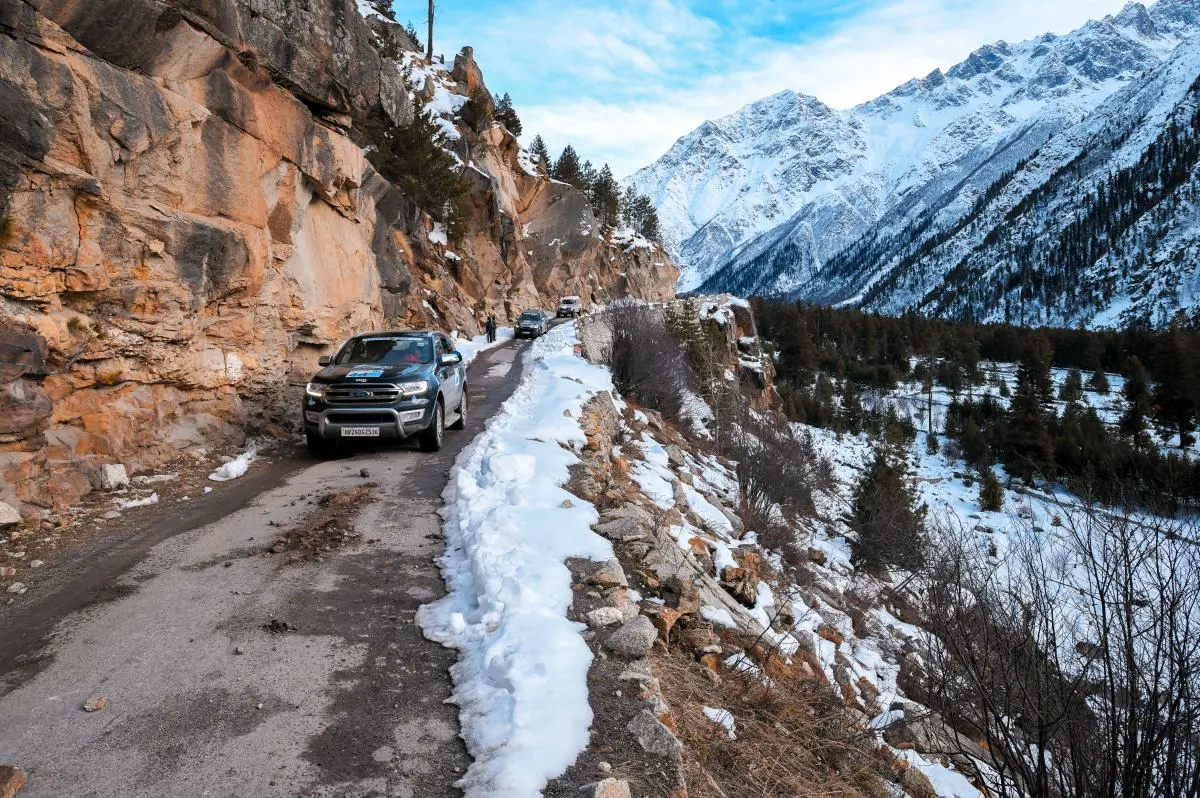
    Embark on an unforgettable journey through the picturesque landscapes and winding roads of Himachal Pradesh. Whether you’re a thrill-seeking motorcyclist or a leisurely road tripper, Himachal Pradesh offers a plethora of scenic routes and hidden gems waiting to be discovered. In this blog, we’ll outline the perfect road trip itinerary, highlighting must-visit destinations, pit stops, and insider tips for an epic adventure.

    Day 1: Arrival in Shimla

  • Start your journey in the capital city of Shimla, known for its colonial architecture, bustling markets, and panoramic views.
  • Visit the iconic Ridge Road, Jakhu Temple, and Mall Road, and soak in the charm of this hill station.
  • Spend the night in Shimla, exploring local cafes and enjoying the cool mountain breeze.
  • Day 2: Shimla to Manali

  • Hit the road early and embark on the scenic drive from Shimla to Manali, a journey of approximately 250 kilometers.
  • Traverse through picturesque valleys, pine forests, and charming mountain villages along the way.
  • Stop for lunch at Mandi, known as the “Choti Kashi” of Himachal Pradesh, and visit the ancient temples dotting the town.
  • Reach Manali by evening and check into your accommodation. Spend the night exploring the vibrant streets of Old Manali and indulging in local cuisine.
  • Day 3: Exploring Manali

  • Spend the day exploring the attractions of Manali, including Hadimba Temple, Vashisht Hot Springs, and the Solang Valley.
  • Opt for adventure activities such as paragliding, zorbing, or trekking, depending on your preferences.
  • Enjoy a leisurely stroll along the banks of the Beas River and savor the tranquility of the surrounding mountains.
  • In the evening, unwind at a riverside cafe or attend a cultural show showcasing traditional Himachali dance and music.
  • Day 4: Manali to Keylong via Rohtang Pass

  • Gear up for an adrenaline-filled day as you traverse the legendary Rohtang Pass, situated at an altitude of over 13,000 feet.
  • Marvel at the breathtaking vistas of snow-capped peaks, glaciers, and pristine meadows along the way.
  • Stop for a photo op at Marhi, a scenic spot famous for its views of the surrounding mountains and valleys.
  • Continue your journey towards Keylong, the administrative headquarters of the Lahaul and Spiti district, and check into your accommodation for the night.
  • Check out this blog – https://himachal.blog/spiti-valley-itinerary-5-days/

    Day 5: Keylong to Leh via Baralacha La

  • Embark on an epic road trip from Keylong to Leh, crossing the formidable Baralacha La Pass en route.
  • Admire the stark beauty of the high-altitude desert landscape as you traverse through the remote regions of Himachal Pradesh and Ladakh.
  • Stop for lunch at Sarchu, a tented campsite situated at an elevation of over 14,000 feet, and interact with fellow travelers.
  • Continue your journey towards Leh, crossing the mighty Lachung La and Tanglang La passes, and reach your destination by evening.
  • Spend the night in Leh, acclimatizing to the high altitude and exploring the vibrant markets and monasteries of the town.
  • Day 6: Exploration in Leh

  • Dedicate this day to exploring the cultural and natural wonders of Leh and its surrounding areas.
  • Visit the ancient monasteries of Thiksey, Hemis, and Shey, and immerse yourself in the spiritual ambiance of these sacred sites.
  • Explore the Leh Palace, a former royal residence offering panoramic views of the town and the surrounding mountains.
  • In the evening, witness a mesmerizing sunset at the Shanti Stupa and reflect on the serenity of the Himalayas.
  • Enjoy dinner at a local restaurant, sampling Ladakhi delicacies such as momos, thukpa, and butter tea.
  • Day 7: Departure from Leh

  • Bid farewell to the enchanting land of Ladakh as you prepare for your journey back home. Depending on your travel plans, you can either head back to Manali via the same route or explore alternative routes such as the Leh-Srinagar highway or the Leh-Manali highway.
  • Reflect on the memories and experiences of your road trip through Himachal Pradesh and Ladakh as you embark on your homeward journey.
  • Conclusion: This was a glimpse of the road trip itinerary for Himachal, Embarking on a road trip through Himachal Pradesh and Ladakh is an adventure like no other, offering a perfect blend of natural beauty, cultural richness, and adrenaline-pumping experiences. Whether you’re traversing the winding roads of Shimla, exploring the hidden valleys of Lahaul and Spiti, or soaking in the spiritual ambiance of Leh, each moment of this journey is bound to leave an indelible mark on your soul. So rev up your engines, pack your bags, and get ready to ride through paradise on this ultimate road trip adventure.

  • 8 Most Haunted Places in Himachal Pradesh

    8 Most Haunted Places in Himachal Pradesh

    1. Tunnel 33

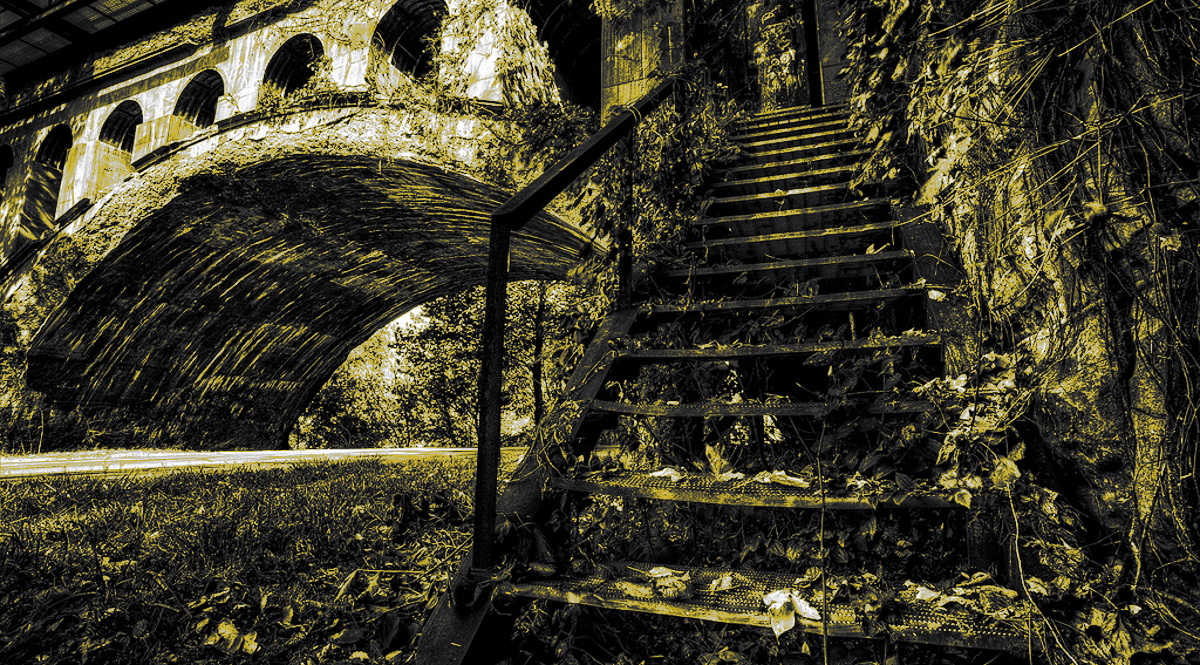
    Undoubtedly, one of the most notorious haunted sites in Himachal Pradesh is Tunnel 33. Assigned with the task of constructing this passage along the Shimla-Kalka Highway, British engineer Captain Barog faced immense pressure. Unfortunately, he failed to meet expectations and incurred the wrath of his superiors, resulting in his demotion and punishment. Consumed by frustration and disgrace, Barog tragically took his own life. Legend has it that the spirit of Captain Barog continues to roam the tunnel. Numerous eyewitnesses have reported sightings of a ghostly figure, believed to be Barog himself, haunting the premises. Additionally, some have claimed to witness a mysterious woman pacing along the rail track, only to vanish into thin air.

    2. Charleville Mansion

    The Charleville Mansion, nestled amidst the serene hills of Shimla, is a place steeped in mystery and intrigue. Once a grand abode, this mansion now stands abandoned, shrouded in tales of ghostly encounters and paranormal activity. Constructed during the colonial era, the Charleville Mansion was once a symbol of opulence and grandeur. However, over the years, it has fallen into disrepair, its walls echoing with whispers of a troubled past. Legend has it that the mansion is haunted by the ghost of Lady Charlotte, the wife of a British officer who resided there many years ago. According to local folklore, Lady Charlotte met a tragic end under mysterious circumstances, and her restless spirit is said to linger within the mansion’s halls. Visitors brave enough to explore the crumbling corridors of the Charleville Mansion have reported eerie occurrences, from inexplicable cold spots to ghostly apparitions. Some claim to have heard the faint sound of a woman weeping or felt an unseen presence brushing past them in the darkness. Despite its dilapidated state, the Charleville Mansion continues to draw curious adventurers and paranormal enthusiasts from far and wide. For those daring enough to step foot inside its haunted halls, it offers a spine-chilling glimpse into the supernatural realm. As night falls over Shimla and the moon casts its eerie glow upon the mansion, the whispers of Lady Charlotte’s ghost still echo through the misty mountain air, leaving visitors to wonder about the secrets that lie hidden within the walls of the Charleville Mansion

    3. Convent of Jesus & Mary

    The Convent of Jesus and Mary, located in Shimla, is a renowned educational institution with a rich history. Established during the colonial era, this convent school has played a significant role in providing quality education to generations of students. Founded by the Religious of Jesus and Mary, the Convent of Jesus and Mary has a tranquil and picturesque setting amidst the lush greenery of Shimla.However, along with its reputation for academic excellence, the Convent of Jesus and Mary also has a darker side. Over the years, rumors have circulated about paranormal activity within the school premises. Tales of ghostly apparitions, mysterious sounds, and inexplicable occurrences have fueled the belief that the convent is haunted. According to local folklore, the spirit of a nun roams the corridors of the school, her presence felt by students and staff alike. Some claim to have heard footsteps echoing in empty hallways, while others have reported sightings of a spectral figure gliding through the shadows.

    4. Indira Gandhi Medical College

    Indira Gandhi Medical College stands as the largest clinical facility not only in Shimla but across Himachal Pradesh. However, alongside its medical prominence, it holds a reputation as one of the most haunted places in the region. Numerous individuals, including patients, their families, doctors, and staff, have reported experiencing mysterious phenomena within its corridors, elevators, and rooms. Accounts of strange noises, eerie voices, and unexplained occurrences abound. Some have even described feeling a force pushing them from behind while navigating the staircases. It is widely believed that these phenomena are the result of lingering spirits of those who have passed away within the hospital premises. Additionally, tales circulate of a ghostly presence haunting the forest road near the college, believed to be the spirit of an orange seller. Despite the absence of a clear reason for these reported hauntings, the atmosphere within the hospital can be unsettling at times. These ghostly encounters add an element of mystery to the already imposing medical institution, leaving visitors and staff alike with an eerie sense of unease.

    5. Chudail Baudi

    Another renowned haunted site in Himachal Pradesh is Chudail Baudi, located along the route from Shimla Highway to Chotta Shimla. Legend has it that vehicles passing through this area experience a sudden decrease in speed, and the eerie encounters don’t end there. It is said that an old woman appears, resembling scenes from horror movies, asking for a lift. The eerie twist is that whether you agree or decline, she mysteriously ends up seated beside you. This sinister phenomenon has been associated with numerous accidents occurring at this location. Check out this blog – https://himachal.blog/10-things-to-know-about-bhangarh-fort-the-most-haunted-place-in-india/

    6. House Of Dukhani

    Dukhani, a picturesque residence located in the heart of Shimla, is rumored to be haunted by the ghost of an elderly man dressed in period attire. According to an old tale dating back to the British era, the ghost is said to be that of a man who tragically took his own life within the confines of Dukhani, wearing the same attire in which he died. One of the most renowned haunted stories associated with Dukhani involves Sir John Smith, a visitor during the ownership of the residence by the elderly Britisher known as Bucky. During his brief stay at Dukhani, Sir John Smith claimed to have encountered the ghostly apparition of the old man in period clothing, precisely in the room where the tragic incident had occurred. This chilling account has cemented Dukhani’s reputation as one of the top-rated haunted locations in Himachal Pradesh, adding an air of mystery and intrigue to its otherwise serene surroundings.

    7. Kasauli Graveyard

    The Kasauli Graveyard, situated along the road to Shimla, is notorious for paranormal occurrences. Visitors have reported sightings of spirits wandering the grounds, accompanied by strange whispers, eerie sounds, and even screams during the night. This graveyard has gained a reputation as a hotspot for paranormal activities, with numerous reports of unusual events. Witnesses claim to have seen apparitions roaming the graveyard at night, while others have heard unsettling noises, murmurs, and cries. The eerie atmosphere is such that few dare to venture into the graveyard after sundown, solidifying its status as one of the most haunted places in Himachal Pradesh.

    8. Castle Naggar

    Witnesses claim to hear various voices and observe objects moving inexplicably within this building.Located on Naggar Road, there stands an old castle-like structure dating back to the British Era, now rumored to be haunted. Once a residence for kings and queens, the abandoned castle has become a subject of ghostly tales. Numerous reports of unusual occurrences have surfaced, with people alleging to hear conversations and witness objects moving on their own. However, it is believed that the spirits within are harmless. Castle Naggar holds a prominent position among the haunted places in Himachal Pradesh.