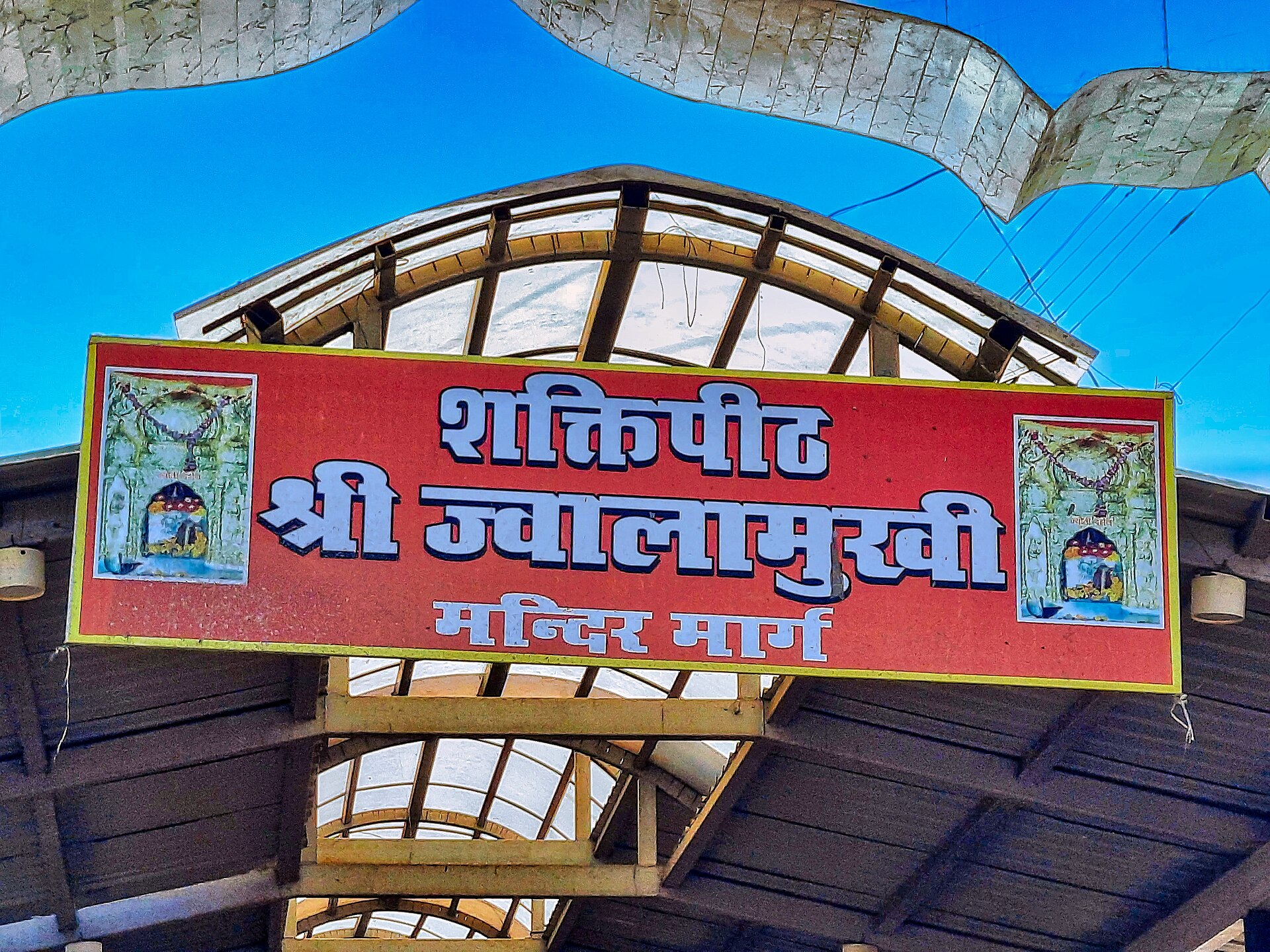
Jwalamukhi Temple, in Kangra district, is one of the more unusual Shakti Peeth sites in India — there is no idol here. The object of worship is a set of natural gas flames burning through fissures in the rock, said to represent the tongue of the goddess Sati.
The eternal flame
The flames have burned continuously for as long as recorded history at the site goes back, fed by natural gas seeping up through the rock. Nine separate flames are traditionally identified, each associated with a different form of the goddess, visible through an opening in the temple floor around which the main shrine is built.
When to visit
The temple is open year-round, but the quietest time to visit is a weekday morning outside of the Navratri festival periods, when pilgrim numbers multiply significantly and the darshan queue can run to several hours. Early morning aarti, typically before 6am, draws a smaller and more devotional crowd than the midday rush.
Getting there
Jwalamukhi town sits roughly 35km from Kangra and about 55km from Dharamshala, with regular HRTC bus services connecting both. The temple itself is in the centre of town, an easy walk from the bus stand — no need to arrange separate local transport unless you’re coming from further afield.
Nearby
If you’re making the trip from Dharamshala or Kangra, it’s easy to combine with a visit to Kangra Fort, one of the oldest and largest forts in the Himalayan region, roughly on the same route.
