Shimla 14°C, clear Manali 8°C, light snow above 2400m NH3 Chandigarh–Manali: open, no restrictions HP govt jobs: new postings this week Dharamshala 12°C, overcast Apple mandi rate, Shimla: ₹68–82/kg Shimla 14°C, clear Manali 8°C, light snow above 2400m NH3 Chandigarh–Manali: open, no restrictions HP govt jobs: new postings this week Dharamshala 12°C, overcast Apple mandi rate, Shimla: ₹68–82/kg

Category: Spiritual

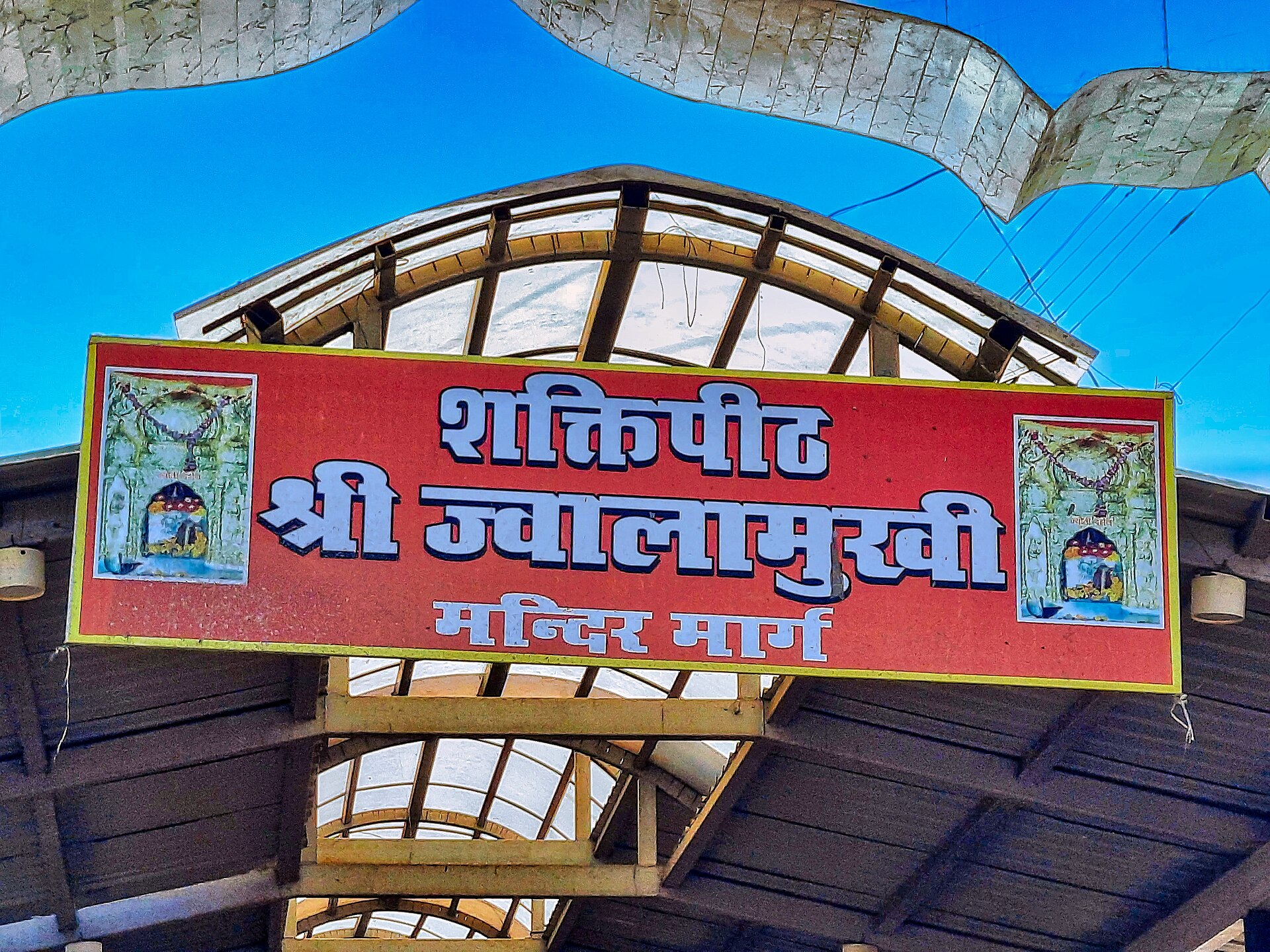
  • Jwalamukhi Temple: the eternal flame and the quietest time to visit

    Jwalamukhi Temple: the eternal flame and the quietest time to visit

    Jwalamukhi Temple, in Kangra district, is one of the more unusual Shakti Peeth sites in India — there is no idol here. The object of worship is a set of natural gas flames burning through fissures in the rock, said to represent the tongue of the goddess Sati.

    The eternal flame

    The flames have burned continuously for as long as recorded history at the site goes back, fed by natural gas seeping up through the rock. Nine separate flames are traditionally identified, each associated with a different form of the goddess, visible through an opening in the temple floor around which the main shrine is built.

    When to visit

    The temple is open year-round, but the quietest time to visit is a weekday morning outside of the Navratri festival periods, when pilgrim numbers multiply significantly and the darshan queue can run to several hours. Early morning aarti, typically before 6am, draws a smaller and more devotional crowd than the midday rush.

    Getting there

    Jwalamukhi town sits roughly 35km from Kangra and about 55km from Dharamshala, with regular HRTC bus services connecting both. The temple itself is in the centre of town, an easy walk from the bus stand — no need to arrange separate local transport unless you’re coming from further afield.

    Nearby

    If you’re making the trip from Dharamshala or Kangra, it’s easy to combine with a visit to Kangra Fort, one of the oldest and largest forts in the Himalayan region, roughly on the same route.

  • The Sacred Shakti Peeths of Himachal Pradesh

    The Sacred Shakti Peeths of Himachal Pradesh

    Story Behind Shakti Peeths

    Sati, Daughter of Raja Daksha and first wife of Lord Shiva. The Raja Daksha performed a yagna, in the yagna he invited all the gods and goddesses except Shiva and Sati. She expressed her wish to attend the yagna to Shiva, who tried his best to dissuade her from going. Shiva eventually relented and Sati went to the yagna. Sati being an uninvited guest was not given any respect at the yagna. Daksha disrespects Shiva and Sati. Sati was unable to bear her father’s insults toward her husband, so she immolated herself in that yagna. Knowing this, Lord Shiva destroys Daksha yagna. and Shiva carries the burnt body of Sati on his shoulders and wanders around the world. To control Lord Shiva’s anger Lord Vishnu, followed him and made the body of Sati into pieces with his Chakrayudha. After the whole body disappeared from his shoulders Lord Shiva was back to a normal state and blessed the world. He said “The places where the body parts of Sati had fallen will become Shakti peeths”

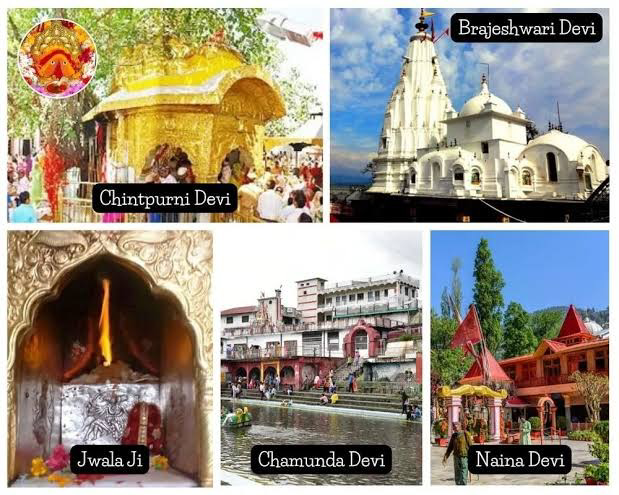
    Five Shakti Peeths in Himachal Pradesh

    Nestled in the lap of the majestic Himalayas, Himachal Pradesh is a haven for spiritual seekers and nature enthusiasts alike. This enchanting region seamlessly combines the allure of pilgrimage sites with the breathtaking beauty of its landscapes, making it a unique destination for those seeking a divine connection amidst nature’s grandeur. Himachal Pradesh is one place where pilgrimage and nature blend in perfect combination. Check out this blog – https://himachal.blog/shri-ram-mandir/

    1. Chintpurni Devi in the state of Himachal Pradesh is a major pilgrimage center. It is one of the Shakti Peethas in India. Dedicated to Chinnamastika Devi or Chinnamasta Devi, the temple is situated in the Una District of Himachal Pradesh around 50 km from Kangra.

  • Location: Una district, Himachal Pradesh.
  • Significance: Abode of Mata Chintpurni, providing solace from worries.
  • Story: Associated with Sati’s feet; symbolizes mental peace.
  • How to Reach: Nearest airport – Gaggal; Nearest railway station – Chintpurni. Private vehicles are not allowed beyond the temple.
  • 2. Brijeshwari Devi Temple Located in the old township of Kangra, the Brijeshwari Temple was once renowned for its immense wealth that drew rulers and plunderers from far and wide. Dedicated to Goddess Vajreshwari, a form of Durga, the temple is revered as one of the 51 shaktipeethas in the country. It is believed to have been constructed over the spot where the breast of Goddess Sati fell.

  • Location: Kangra Town, Himachal Pradesh.
  • Dedication: Goddess Vajreshvari, a form of Durga.
  • Story: Marks where Sati’s breasts fell; embodies feminine strength.
  • How to Reach: 32 km from Jwala Ji; accessible by road and rail (Nearest station – Pathankot).
  • 3. Jwalamukhi Temple Located in Kangra, this temple is renowned for the eternal flames that burn without any apparent source. It is believed to be the site where the tongue of Goddess Sati fell.

  • Location: 34 km south of Kangra.
  • Uniqueness: The Temple lacks an idol; a goddess believed to reside in eternal flames.
  • Story: Linked to Sati’s tongue; flames burn naturally due to combustible gas.
  • How to Reach: Connected to Chintpurni by road; buses available; 35 km from Chintpurni to Jwala Ji.
  • 4. Chamunda Devi Temple Situated near Dharamshala, this temple is dedicated to Chamunda, a fearsome form of Goddess Durga. It is believed to be the site where the hair of Goddess Sati fell.

  • Location: 10 km west of Palampur, Kangra district.
  • Abode: ‘Shiva and Shakti’; known as ‘Chamunda Nandikeshwar Dham.’
  • Story: Associated with Sati’s hair; ancient temple amidst lush green mountains.
  • How to Reach: Accessible by road from Dharamshala, Palampur, and Kangra; 23 km from Bajreshwari temple.
  • 5. Naina Devi Temple Perched atop a hill in Bilaspur, this temple is associated with the eyes of Goddess Sati. Pilgrims flock here to seek the divine blessing of Naina Devi.

  • Location: Bilaspur district, Himachal Pradesh.
  • Scenic Views: Overlooking Gobind Sagar lake; special fairs during Navratri.
  • Story: Sati’s eyes are believed to have fallen here; temple atop the hill.
  • How to Reach: 179.1 km from Chamunda Devi via NH503; connected by National Highway no. 21; nearest airport – Chandigarh.
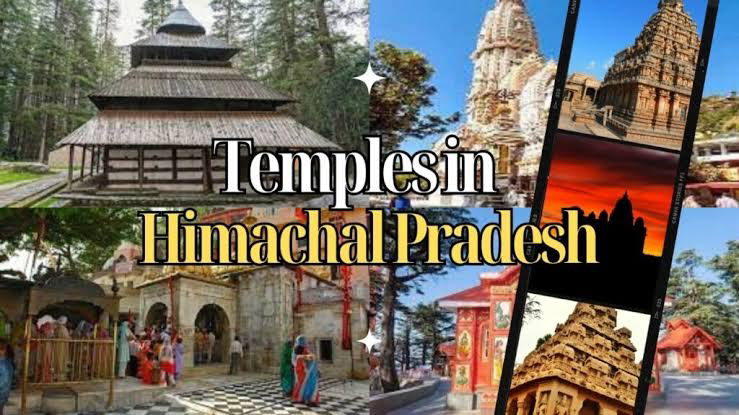
  • Exploring the Spiritual Marvels: 5 Famous Temples of Himachal Pradesh

    Exploring the Spiritual Marvels: 5 Famous Temples of Himachal Pradesh

    The divine aura that envelops these sacred sites adds to the state’s allure, making it a destination where people journey to seek blessings, experience cultural richness, and immerse themselves in the spiritual essence that defines Himachal.

    Iconic Temples

    1. The Hidimba Devi Temple The Hidimba Devi Temple, also known as Dhungari Temple, stands in Manali, Himachal Pradesh. This ancient cave temple honors Hidimbi Devi, wife of Bhima from the Mahābhārata. Constructed in 1553 by Maharaja Bahadur Singh, it is perched in the Dhungiri Van Vihar, a cedar forest at the base of the Himalayas. Hidimba, born into a Rakshasa family, married Bhima after he defeated her brother Hidimb during the Pandavas’ exile in Manali. Their son Ghatotkacha was born from this union.This temple plays a vital cultural role in Manali, especially during Navaratri, when Goddess Hidimba takes the spiritual spotlight. The annual Hidimba Devi Fair, coinciding with spring, witnesses enthusiastic local celebrations, reflecting the profound devotion to the deity. Timings : 8:00 AM – 6:00 PM

    2. Jwala Devi Temple Located in Himachal Pradesh’s Kangra district, the Jwala Devi Temple is a divine abode dedicated to Jwala Ji, depicted by eternal flames. This temple holds a sacred significance as one of the 52 Shakti Peethas, believed to be the spot where the tongue of Goddess Sati fell. A unique feature of the temple is its absence of an idol, making the five conducted aartis the primary attraction. The temple’s eternal flames are believed to embody the nine forms of Goddess Durga, burning ceaselessly without external fuel. Devotees often offer Rabri to the Goddess. A noteworthy nearby site is the Jwalamukhi Cave, originally with three openings, now reduced to one, housing spring water.This temple not only stands as a beacon of spiritual devotion but also showcases the mystical and miraculous aspects attributed to the sacred flames. Timings : 5:00 AM – 10:00 PM (Summer)/ 6:00 AM – 9:00 PM (Winter)

    3. Shri Shiv Temple Baijnath Situated in Himachal Pradesh, Baijnath Temple stands as a revered sanctuary where Lord Shiva, known as the ‘God of Healing,’ is worshipped. This temple, also known as Vaidyanath, embodies Lord Shiva’s avatar dedicated to alleviating devotees from miseries and pain. Its waters, believed to possess medicinal properties, attract thousands of devotees annually seeking healing.Constructed in 1204 A.D. by devoted merchants Ahuka and Manyuka, Baijnath Temple, located just 16 km from Palampur, offers a haven for those seeking peace and tranquility in the divine embrace. Notably, it is one of the rare temples in India where both Lord Shiva and Demon King Ravan are revered. Intriguingly, Baijnath Temple houses one of the 12 jyotirlingas established by Lord Shiva, symbolizing unadulterated divine light and power. Set against the picturesque backdrop of the Dhauladhar Himalayan Range, the ancient temple juxtaposes its rustic charm with the ethereal beauty of the snow-capped peaks. This juxtaposition creates an atmosphere of marvel and satisfaction, making Baijnath Temple a spiritual and visual delight for pilgrims and visitors alike. Timings : 6 AM to 8 PM

    4. Shakti Peeth Shri Chamunda Devi Temple Nestled a mere 10 km from Palampur, the ancient Chamunda Devi Temple graces the banks of the Baner River. Revered as one of the 51 shakti peethas, this temple is dedicated to Chamundeshwari Devi, one of the seven matrikas. Legend has it that Chamunda, born from the eyebrow of Goddess Durga, emerged with the mission to vanquish the demons Chanda and Munda. Following a fierce battle, she triumphed over these generals of demon kings Shumbha and Nishumbha.Beyond its spiritual significance, the temple complex hosts an ayurvedic dispensary, a library, and a Sanskrit college. For the convenience of devotees, a temple guest house is also present within the premises. The Chamunda Devi Temple stands as a major attraction in Palampur, not only for its hilltop location but also for the captivating legends that surround it. Considered one of the holiest temples in the region, it draws both locals and travelers alike. This ancient temple, dating back to the 16th century, holds spiritual tales within its walls. Legend has it that around 400 years ago, a king and a priest sought Chamunda Devi’s consent to shift the idol to a more accessible location. The goddess appeared in the priest’s dream, guiding him to the exact spot where the idol would be discovered. Acting upon the divine guidance, the king and his men recovered the ancient idol, and the temple was built at the sacred location. Timings : 6:00 AM TO 9:00 PM You may also read – https://himachal.blog/10-best-eating-places-in-dharamshala/

    5. Naina Devi Ji Temple Perched gracefully on a picturesque hilltop in the Bilaspur District of Himachal Pradesh, the revered Shri Naina Devi Ji Temple stands as a prominent place of worship. This sacred site holds distinction as one of the 51 Shakti Peethas, representing the fallen eyes of Goddess Sati.Devotees flock to the Naina Devi Temple throughout the year, with a particularly heightened presence during festive times. Revered as one of the nine divine powers in Himachal Pradesh, this temple is dedicated to Shri Naina Devi, a manifestation of Goddess Shakti. For Hindu pilgrims, the Naina Devi Temple is a sacred destination to pay homage to the goddess. Legend has it that during Sati’s self-sacrifice, her eyes fell at this spot, leading to the construction of the temple in her honor. The term ‘Naina,’ meaning ‘eyes,’ signifies the goddess’s association with this divine abode.Within the temple complex, a centuries-old Peepal tree stands as a testament to the site’s enduring spiritual significance. This sacred grove adds to the tranquil aura of the Naina Devi Temple, making it a cherished destination for devotees seeking solace and divine blessings. Timings : 4:00 AM to 10:00 AM and during Navratras the timing of Live Aarti/Darshan is from 2:00 AM to 12:00 AM.

  • Holy Shrine of the Blue Goddess| Kali Bari Temple

    Holy Shrine of the Blue Goddess| Kali Bari Temple

    The holy vibes of the temples make you feel good from the inside. They are well known for their historical and festive significance. You can stroll through the area to take in the natural vegetation. You can also take pictures with captivating beauty as your backdrop. In addition, the temple offers lodging for visitors who want to remain close by. Additionally, there is a canteen where you may indulge in mouthwatering treats for lunch and dinner.

    Kali Bari Temple’s Architecture and History

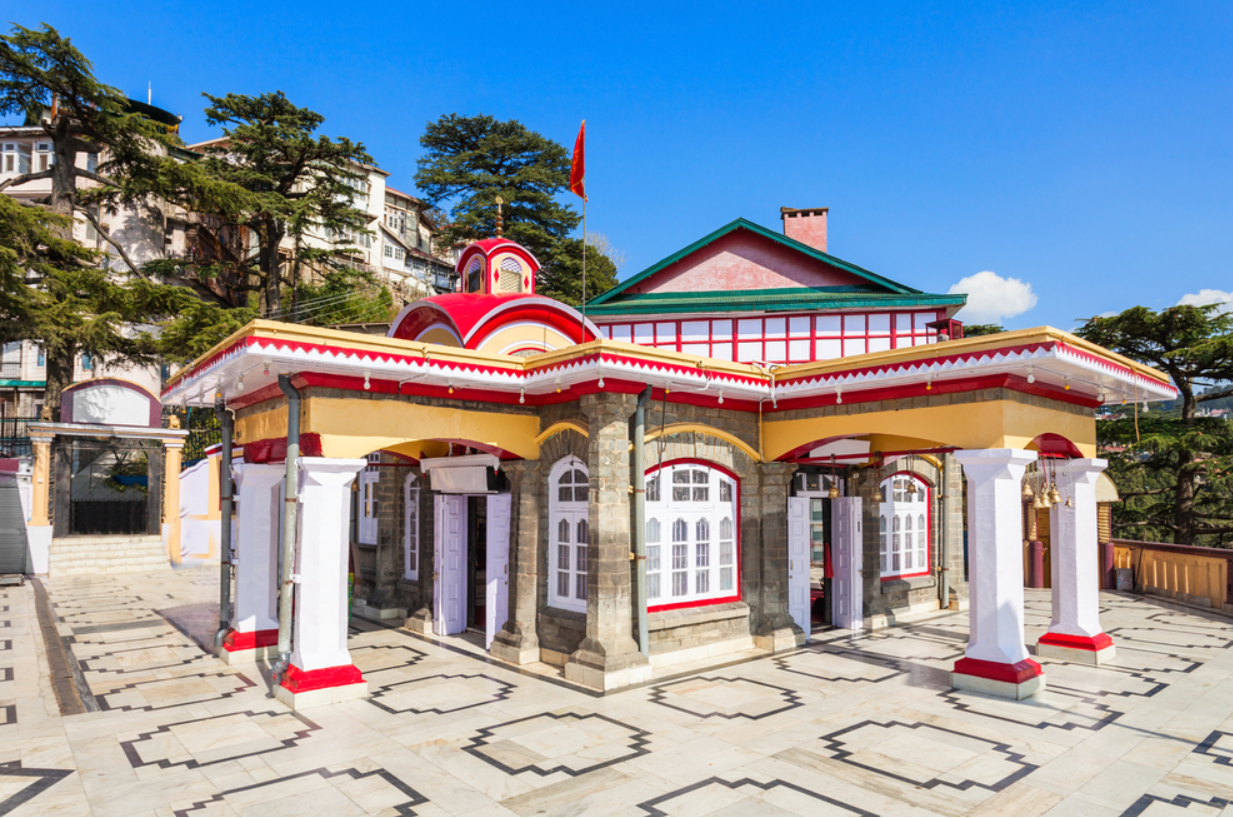
    The Kali Bari Temple, which has a history dating back 100 years, was initially constructed by a Bengali Brahmin named “Ram Charan Brahmachari” atop Jakhoo Hill, close to Rothney Castle. One of the city’s earliest temples, it has a distinctive Hindu-style building and a blue-colored wooden Kali deity. Later, the British moved the temple to a new place.

    The mother, Kali, worshiped with utmost devotion and confidence, is said to be watching over her devotees. These followers constantly witness the mercy of the Goddess in their lives. You can also enlist her help in Ma Tara, Ma Parvati, Ma Bhavani, Ma Kumar Sati, Ma Rudrarani, Ma Meenakshi, Maa Chamunda, and CMA Himavati to receive her blessings.

    Kali Bari Shyamala Worship

    On regular days and during religious celebrations, devotees visit Shimla’s Kali Bari Temple to ask for Shyamala’s blessings and pray for her. Because of its grace and spiritual significance, the evening aarti is a must-watch. Another appealing sight at Kali Bari Temple is the vision of devotees chanting holy hymns alongside the priests.

    A sculpture made of wood is utilized to honor the Goddess Shyamala. According to historians, Shimla-based Bengali pilgrims and visitors built the shrine’s original altar. In addition, Goddess Kali is worshiped at the shrine in the personas of Bhavani, Bhadrakali, Cchinnamasta, Chamunda, Durga, Himavati, Kumari Sati, Kamakshya, Meenakshi, Parvati, Rudrarani, Tara, and Uma.

    During the holy occasions of Navratri and Durga Puja, the crowd of worshippers grows. The eve of Diwali is a magnificent sight to behold, and the Diwali celebrations are fantastic.

    You may also read- https://himachal.blog/jakhu-temple-the-immortal-dwelling-of-lord-hanuman/

    How to get to Shimla’s Kali Bari Temple

    The road network in the city makes it easy to reach Kali Bari Temple, and the route offers some of the most breathtaking scenery. Moreover, the Kali Bari Road location is quite close to Shimla’s Mall Road, making it easy for visitors to walk there or take an auto rickshaw.

    To get to the Kali Bari Temple from the bus stop or the train station, it is advised that you use a local bus, a shared taxi, or a private vehicle service. The simplest alternative is to take a private cab.

    You can choose to travel by air if time is a big barrier. The closest airport to Shimla from Chandigarh and Delhi is Jubbarhatti Airport. You can use various transit options to visit the Kali Bari Temple from the airport.

    The Ideal Time to Visit Shimla Kali Bari Temple

    Durga Puja, or Dussehra, and Kali Puja, or Deepawali, are ideal times to visit the Shimla Kali Bari temple. Mother Goddess Durga, another name for Goddess Kali, descends to her home in the Himalayas for the Durga Puja festival with her family. Numerous followers gather on this occasion to witness Goddess Durga’s compassion and love for all people. Shimla Kalibari Mandir has two unique rituals during Navratri: the morning ANJALI and the evening ARTI. In addition, Bengali people enthusiastically celebrate Kali Puja on the day of Deepawali. At the Shimla Kalibari temple, there are extensive festivities in honor of the Goddess’s mother, Kali. Kali Puja also emphasizes the triumph of good over evil.

    Other than the rainy season, all the other months are suitable for visiting Shimla’s Kalibari temple. However, due to the frequent landslides in the Himalayan region, tourists are not advised to travel during the rainy season.

    Shimla’s most revered spot is Kali Bari Temple, where the architecture and idol decorations are both wonders. Goddess Kali is stunningly adorned with jewelry and vibrant flowers, making it an amazing overall sight. It is one of the most breathtaking locations in Shimla to visit, especially for those who practice religion. Kali Bari Temple is a complete package for those seeking both natural beauty and spiritual essence simultaneously.

    To fully stimulate your senses, explore the Kali Bari Temple in Shimla, located on a magnificent mountaintop.

  • Jakhu Temple – The Immortal Dwelling of Lord Hanuman

    Jakhu Temple – The Immortal Dwelling of Lord Hanuman

    The History and Significance of Jakhu Temple

    The temple dates back to the time of Shri Ram when Lord Hanuman searched for Sajivni Booti to revive Lakshmana. When Meghanad, the son of Ravana, injured himself during the Shri Ram-Ravana conflict, Yaksha Rishi, who was at Jakhu Hill in intense meditation, came down to ask for help.

    Due to the intense air pressure caused by his breathtaking speed, the hill collapsed into the earth as he approached, losing half of its initial height. Lord Hanuman climbed the hill and asked the Rishi for knowledge about SnajivaniBooti. After searching, he made the Rishi promise to visit him again while traveling back to Sri Lanka with Sanjivani Booti. Then, he left for Drona Hill.

    However, considering his limited time, he chose to take a different path to Sri Lanka, leaving the Rishi to wait for him. When he did not appear there, the Rishi became concerned about his presence and the outcome of the mandate he was attempting.

    He was soothed, and his fear diminished when Lord Hanuman came in front of him and explained why he had left him behind to return to Sri Lanka with Sanjivni Buti. After explaining the situation and reminding him of his fear upon leaving, a tiny idol of Lord Hanuman spontaneously emerged in front of the Yaksha Rishi. The Rishi built a temple there and placed the idol after being struck by the idol’s aura and wanting to keep it devout.

    This temple has been around since those golden days, and thousands of worshippers still gather here every day in honor of Lord Hanuman. Since the temple was located on Jakhu Hill, it gained notoriety through time as Jakhu Temple, which is today one of the top tourist attractions in Shimla. Visitors and tourists frequently go there to plead for blessings and fulfill their heart’s desires.

    Additionally, when Lord Hanuman set his foot down on Drona Hill to gather the Sanjivni Buti, his footprint was so strong that it was traced and is still visible hundreds of years later.

    Numerous visitors come here frequently to ask for his blessings. To keep this footprint intact for future generations so worshippers might visit and get blessings from their deity. Locals have now built a shrine around it.

    Every Dussehra, the Hindu Festival, a huge festival, is celebrated here, drawing thousands of visitors from all over the world.

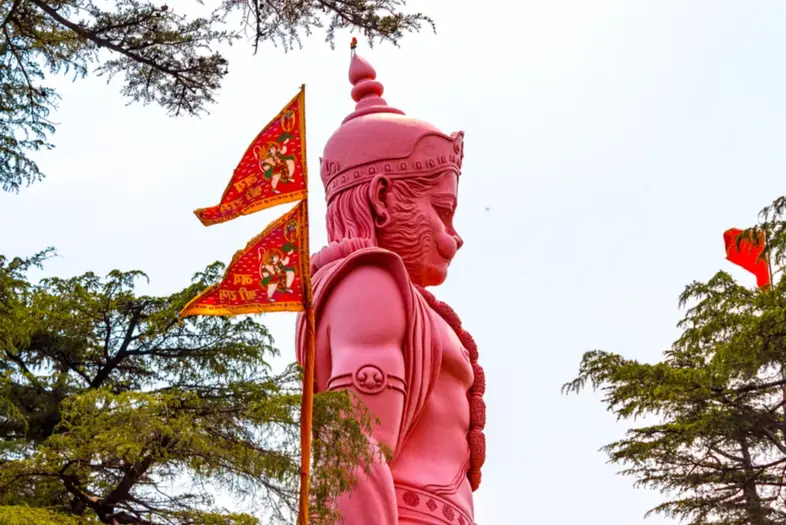
    Back in 2010, a massive 108-foot-tall idol of Lord Hanuman that cost 1.5 crores was also revealed, enhancing the excitement and wonder of the Jakhu temple. This Statue is so enormous that it exceeds the idol of Christ the Redeemer in Rio de Janeiro, Brazil, roughly 98 feet high. It is the highest Statue of Lord Hanuman and stands at a height that would surprise you.

    Also Read – https://himachal.blog/tara-devi-temple/

    When Should you Visit?

    Since it is frequently visited by tourists and other travelers throughout the year, anyone can come here at any time. One might capture the benevolent scenic beauty of the nearby Shivalik Hills after spending some time in Lord Hanuman’s enduring heavenly atmosphere.

    However, summer is the finest time to visit. Since during the summer, the area is more energetic and joyous and comes to life with vigor, and excitement, leaving visitors spellbound.

    Be Prepared to Cope with the Monkeys

    There are a lot of monkeys on the hill because there is always food available. Hanuman worshipers frequently feed the monkeys food offerings blessed by temples.

    It is appropriate that monkeys inhabit the location because Hanuman is the Hindu monkey god.

    However, only some have a favorable opinion of the monkeys. Because they are not afraid of people and frequently steal stuff from visitors like food, sunglasses, caps, dupattas, phones, and more. They are viewed as a threat by many. Additionally, they steal into visitors’ pockets. Monkeys sometimes hold out for a tasty treat before returning something, reinforcing the behavior. The item may be unfixable, broken, or damaged during the grabbing action.

    What are the Other Attractions in the Vicinity?

    One can travel to Jakhu Temple and seek blessings in the Lord’s majestic presence and fascinating aura. However, there are also many more exciting tourist destinations nearby.

    How Can I Visit?

    The temple is conveniently reachable by taxis, trains, and buses because it is only a few kilometers from Shimla’s cultural center, the Ridge.

    Any adjacent location in Shimla can easily be reached by taxi or cab from the temple. Visitors can also get here on foot, horseback, or pony, which are easily accessible in the area.

    As of 2017, a ropeway known as the Jakhu Ropeway is also accessible for a direct aerial lift from a major location in Shimla to the temple. This reduces the time needed to visit and return to just 30 minutes.

    Since it is just 2 km away, one can descend to Kalka Railway Station and take a cab, which will only take ten to fifteen minutes to get there.

    Conclusion

    There is nothing better than gaining the heavenly blessings of Lord Hanuman. So you can visit here and enjoy the majestic aura of Jakhu Temple and the pristine pleasant weather of Shimla.

    You won’t be able to resist taking pictures of the gorgeous Shivalik range and the captivatingly colorful scenery, even for a moment. You will undoubtedly return to this location time and time again due to its reverence and solemnity.

    Regardless of whether someone is a nature lover, a peace seeker, or has a pure heart, Jakhu Temple and Jakhu Hills offer extreme tranquility. The panoramic views of the majestic Lord Hanuman’s tall Statue allow them to enjoy the peaceful and pleasant environment of hill stations.

    It is preferable to visit this place with your partner, family, or friends. This is because you won’t find a more relaxing spot with such a strong sacred aura and chilly temperatures anywhere else.