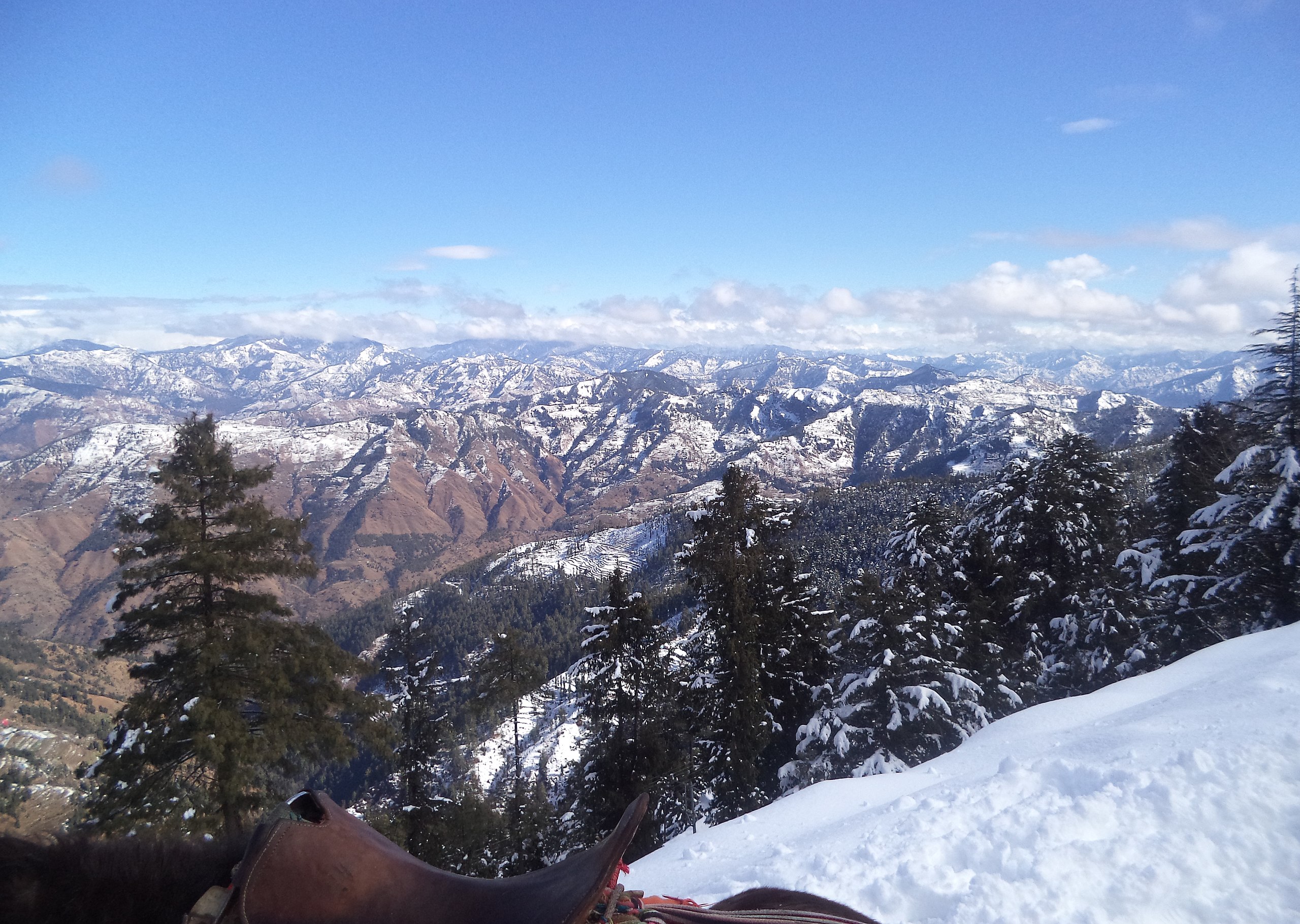
Location & Terrain of The Great Himalayan National Park
The Great Himalayan National Park is situated in Himachal Pradesh’s Seraj Forest Division, 60 km from Kullu. Great Himalayan National Park, which is encircled by the Rupi Bhaba Sanctuary, Pin Valley National Park, & Kanwar Wildlife Sanctuary, is nestled at an altitude of 1500–6000. This gives magnificent views of the mountains in its vicinity. A vast 754 sq km area creates up the national park. However, 256 square km of land were separated from the park in 1994 and designated as a buffer zone or ecozone. There are 160 villages in the Great Himalayan National Park’s ecozone.
Let’s Talk about the Biodiversity of the Park
Various vegetation, animals, and birds consider the park abode. The 375 fauna in the Great Himalayan National Park include mammals, reptiles, molluscs, insects, & birds. The Wildlife Protection Act of 1972 defends these creatures. Animal hunting and gaming are forbidden and are considered criminal offences.
The Magnificent Flora of The Great Himalayan National Park
Great Himalayan National Park attributes more than 100 plant varieties, including therapeutic herbs, specializing in Deodar and Oak trees. The list is wide and diverse, ranging from pine, chestnut, and spruces to junipers and mountain plants. Some alpine meadows have been cleared for grazing even at lower elevations.
The Best Way to Reach the Himalayan National Park
By Road: There are a few rough roads but no motorable roads that lead directly to the national park. You may get to the park gate from Kullu by either traveling from Gushaini to Ropa in the Tirthan Valley or from Ropa to Shangarh in the Sainj Valley. By Rail: The immediate railhead to the Great Himalayan National Park is Joginder Nagar, adjacent to Mandi and roughly 143 km away. Between Joginder Nagar and Chandigarh, frequent trains run. By Air: Bhuntar in Kullu is around 60 km from the Great Himalayan National Park and is the closest airport. From Delhi, there are frequent flights to this airport.
The Best Duration to Visit this Place
The best months to explore the Great Himalayan National Park in Himachal Pradesh are March, April, May, June, and mid-September, October, and November to enjoy the excellent weather and stunning flora and fauna. Throughout these months, treks are organized by the Himalayan Ecotourism team. Due to the brutally cold and snowy weather, visiting during the winter is not advised. During this season, only lower altitude treks are scheduled. Trekking in the national park is not advised during the monsoon season, which lasts from late July to early September.
Activities to Discover in Great Himalayan National Park
Trekking through the Great Himalayan National Park is quite well-liked by adventurers. In this park, there are four moderately tough trekking routes. Those are as follows:
Entry Fee & Permit for This Place
The Great Himalayan National Park only allows visitors with valid permits. The same must be obtained from the Shamshi head office and the Shairopa and Ropa zonal offices. For foreign tourists, the daily permit fee is INR 400, while it is INR 100 for visitors from India. Entrance fees for students are lowered. Indian students pay INR 50 per day, whereas international students pay INR 250 per day. For still and video cameras, there are additional fees.
Accommodations Around & Within the Great Himalayan National Park
Great Himalayan National Park’s vicinity does not include as many commercialized zones. Therefore, there aren’t many lodging options nearby to the ecological reserve. The cheapest accommodation options near the Great Himalayan National Park are the dormitories at Sairopa Tourist Center and Forest Rest House.
