Shimla 14°C, clear Manali 8°C, light snow above 2400m NH3 Chandigarh–Manali: open, no restrictions HP govt jobs: new postings this week Dharamshala 12°C, overcast Apple mandi rate, Shimla: ₹68–82/kg Shimla 14°C, clear Manali 8°C, light snow above 2400m NH3 Chandigarh–Manali: open, no restrictions HP govt jobs: new postings this week Dharamshala 12°C, overcast Apple mandi rate, Shimla: ₹68–82/kg

Category: News

  • HRTC drivers call one-day strike over pending arrears

    HRTC drivers call one-day strike over pending arrears

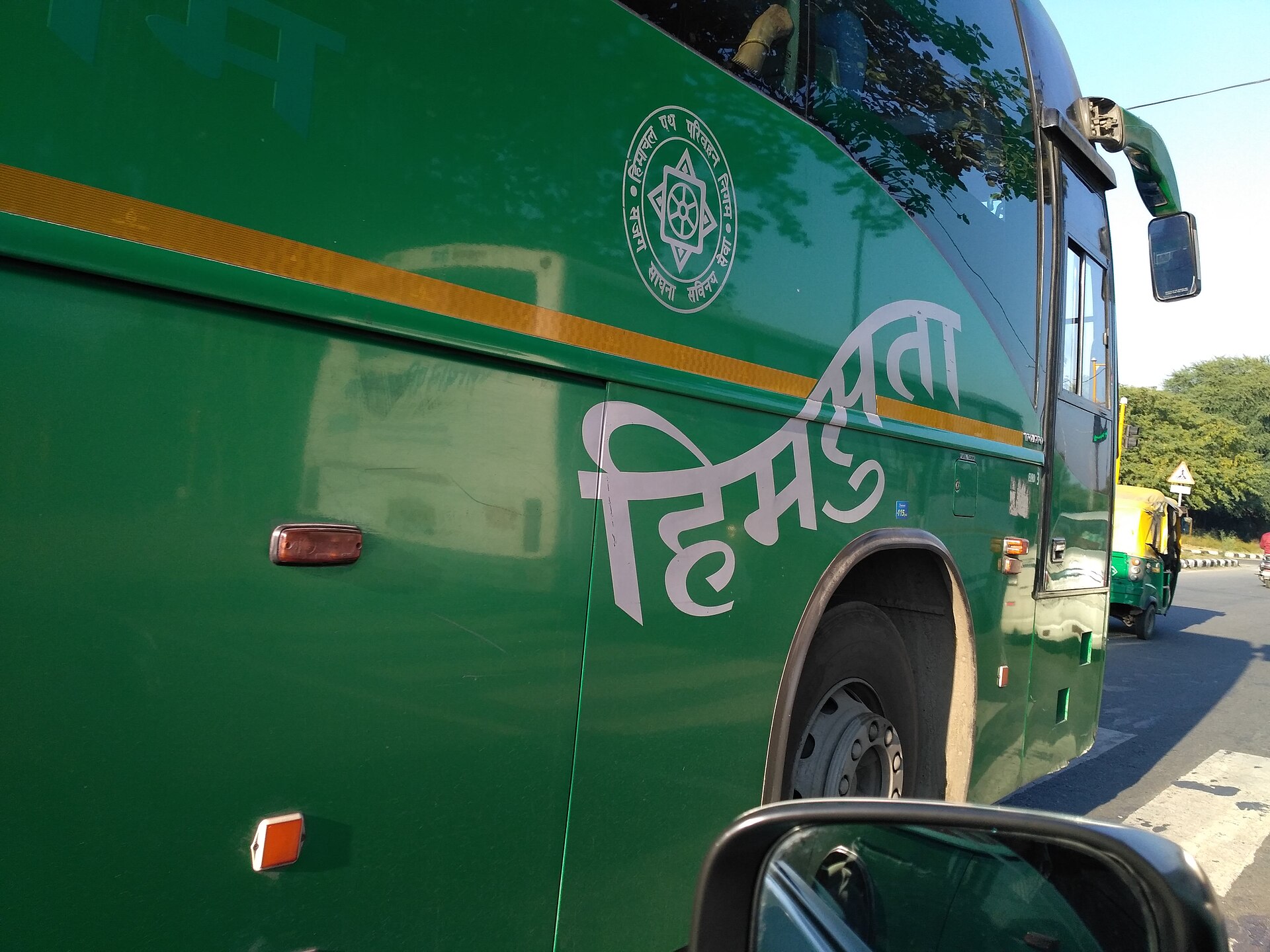
    Drivers and conductors under the HRTC Employees Union have called a one-day strike over pending arrears and delayed pay revisions, with union representatives saying the action will go ahead unless the state transport department responds with a firm payment timeline before the deadline.

    What’s behind it

    The union says arrears from a pay revision agreed to more than a year ago remain unpaid, and that repeated assurances from the transport department have not translated into an actual disbursement schedule. This is not the first such warning — a similar one-day action was threatened and then called off earlier in the year after partial payments were made.

    What it means for travellers

    If the strike goes ahead, expect significant disruption to HRTC bus services statewide, including routes connecting Shimla, Manali, Dharamshala and other major towns. Private bus operators typically continue running during HRTC strikes but with reduced capacity and higher demand, so travellers with fixed plans on the affected date should have a backup option in mind.

    Read the full report at the original source for the latest strike status and any last-minute resolution.

  • Heavy rain warning issued for Kullu and Mandi districts

    Heavy rain warning issued for Kullu and Mandi districts

    The Himachal Pradesh State Disaster Management Authority has issued a heavy rain warning for Kullu and Mandi districts, with the India Meteorological Department forecasting intense spells over the next 48 hours as a fresh monsoon trough intensifies over the western Himalayas.

    What’s expected

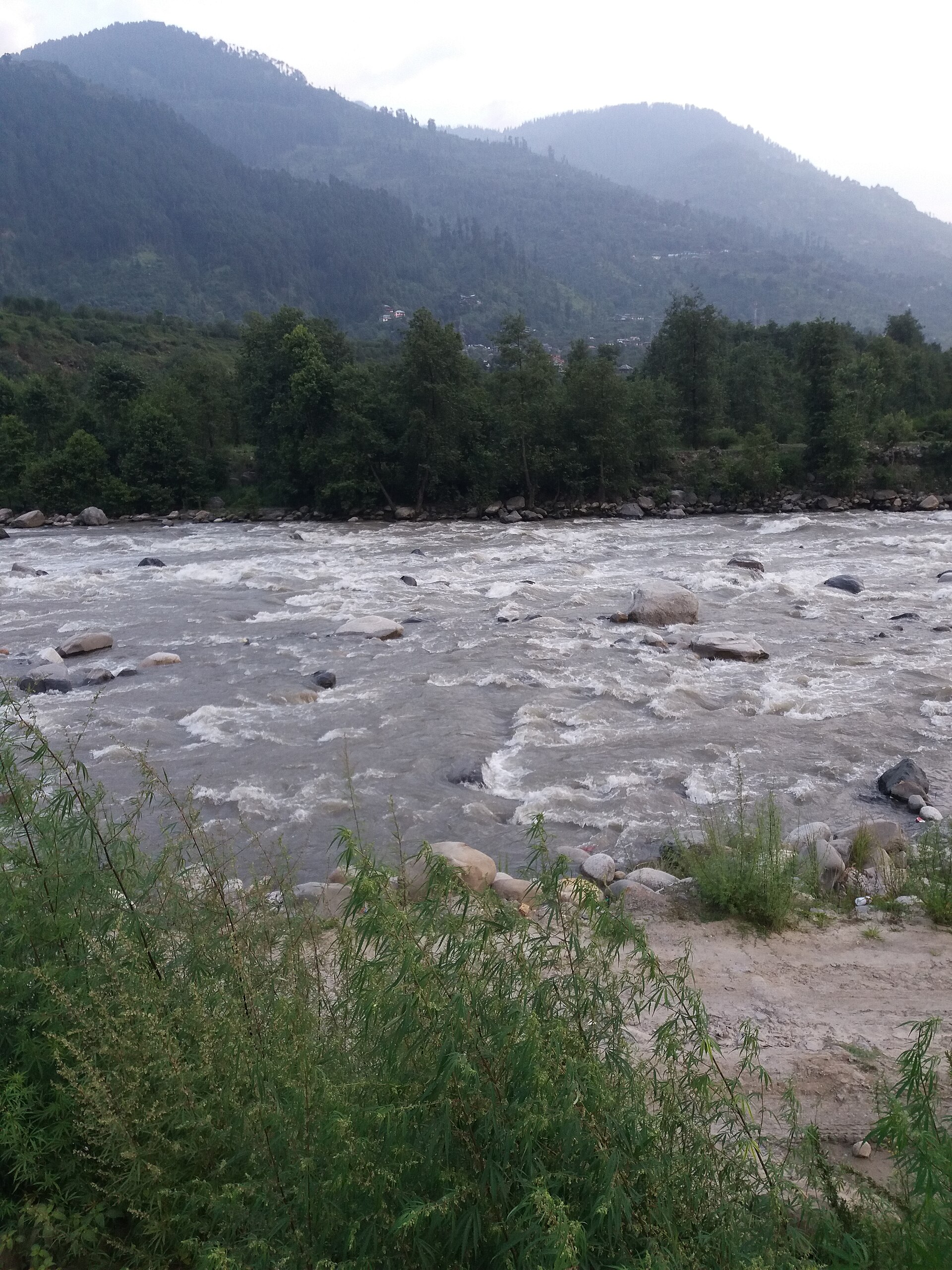
    District authorities have flagged the usual risk points: landslide-prone stretches of NH3 near Aut and Pandoh, and low-lying settlements along the Beas where flash flooding has caused damage in past monsoons. Local administration has asked residents near riverbanks to move valuables to higher ground as a precaution and to avoid unnecessary travel after dark.

    Travel impact

    No closures have been ordered on NH3 as of this report, but drivers should expect intermittent stoppages for debris clearance, particularly between Kullu and Manali. Anyone with travel planned through the district over the next two days should check road status before setting out rather than assuming normal conditions.

    Read the full advisory at the Himachal Pradesh State Disaster Management Authority.

  • Teacher Suspended for Mass Copying Incident in Himachal’s Kangra School

    Teacher Suspended for Mass Copying Incident in Himachal’s Kangra School

    Dharamsala – In a significant action against examination malpractice, the Himachal Pradesh Board of School Education has suspended a superintendent and relocated an entire examination center in Kangra district due to mass copying incidents.

    This decision follows alarming reports of widespread irregularities at PM Shri Government Senior Secondary School, Jawali. Officials revealed that video evidence showed a teacher dictating answers to students during the ongoing board exams.

    Board Chairman Rajesh Sharma confirmed that the move was prompted by multiple complaints and the video documentation of the teacher’s actions. As a result, the examination center has been transferred to the Government Senior Secondary School in Matlahar.

    The suspended superintendent, Ravi Bhandari, who is also a biology lecturer, was found guilty of gross misuse of his position and violating the integrity expected of a government official.

    Preliminary investigations indicated that the teacher was openly dictating answers for multiple-choice questions, a clear violation that undermines the credibility of the examination process. The Board has directed the Sub-Divisional Magistrate, Jawali, to conduct a thorough investigation.

    To uphold fairness, the Jawali examination center has been cancelled, and all students will now take their remaining exams at the new location. A departmental inquiry has been initiated against the center’s coordinator and supervisors.

    Chairman Sharma emphasized the Board’s zero-tolerance policy towards unfair practices, vowing to take strict action against anyone involved in facilitating such misconduct to preserve the examination’s sanctity.

  • Dalai Lama Unveils VisitDharamshala.com to Enhance Tourism in Kangra

    Dalai Lama Unveils VisitDharamshala.com to Enhance Tourism in Kangra

    The official tourism website “VisitDharamshala.com” was launched in Dharamshala, located in Himachal Pradesh’s Kangra district. This initiative marks a significant advancement in promoting digital tourism.

    Tibetan spiritual leader, the Dalai Lama, inaugurated the portal during a soft-launch ceremony at his residence in McLeodganj. This effort aims to showcase the region’s natural beauty and rich cultural heritage to a global audience.

    Driven by the Dharamshala Hotel and Restaurant Association, the website serves as a comprehensive online platform for visitors to explore and plan their experiences in the Kangra Valley.

    The launch event was attended by key figures including Ashwani Bamba, president of the Association, and local tourism officials, highlighting community involvement in this important project.

    The Dalai Lama praised the website, calling it a “milestone effort” that will enhance Himachal’s tourism visibility worldwide.

    According to Ashwani Bamba, the portal will provide tourists with essential travel information, weather updates, and booking options for accommodations across the district, from the majestic Dhauladhar ranges to the tranquil Pong Dam Lake.

    The goal is to promote responsible tourism that benefits local communities. Only verified hotels and service providers will be featured on the site to ensure reliability and transparency.

    Dharamshala’s global appeal, bolstered by the presence of the Dalai Lama, is now supported by this digital gateway, making the area more accessible and visitor-friendly.

    VisitDharamshala.com offers detailed insights into local attractions, adventure activities, and cultural experiences, allowing visitors to book rooms in over 100 verified hotels.

    This digital initiative aims to blend tradition with technology, setting a precedent for sustainable tourism in the Himalayas.

    The Kangra district, known for its spiritual significance and natural beauty, has been declared a “tourism district” by the state government, emphasizing its potential as a travel destination.

    “VisitDharamshala.com” serves as a crucial link between visitors and the region’s allure, spirituality, and hospitality.

  • Himachal Pradesh Education Minister Orders Urgent Restoration of Over 1,320 Affected Institutions

    Himachal Pradesh Education Minister Orders Urgent Restoration of Over 1,320 Affected Institutions

    Himachal Pradesh is facing significant challenges as more than 1,320 educational institutions have been impacted by heavy rains, cloudbursts, landslides, and flash floods during the 2025 monsoon season.

    During a recent review meeting, Education Minister Rohit Thakur expressed his concern over the estimated losses of approximately ₹122 crore to the education sector. He emphasized the need for immediate repair and restoration efforts.

    Thakur instructed that Post Disaster Needs Assessment (PDNA) funds should be allocated wisely, focusing on schools that have suffered over 75% damage. He mandated that reports on fund utilization be submitted within five days, warning that any unspent funds would be redirected to schools in urgent need.

    Additionally, the minister called for all approved positions to be forwarded to the Himachal Pradesh Rajya Chayan Aayog and Public Service Commission without delay to expedite the recruitment process and fill vacancies.

    He stated that promoted Post Graduate Teachers (PGTs) who fail to take up their new roles promptly would have their promotions revoked, allowing the next eligible candidate to step in.

    Thakur also discussed the engagement of PGTs in classes IX and X, directing deputy directors to highlight successful teaching methods and innovative practices from various districts.

    To improve educational standards, the minister instructed the deputy directors of secondary, elementary, and quality education to enhance inspection targets.

    Furthermore, he reviewed the implementation of the Dr. YS Parmar Vidyarthi Rin Yojna, ensuring that all eligible students receive education loans at a minimal interest rate of 1% for higher education.

    During the meeting, a presentation was made showcasing the education department’s achievements and initiatives from January 2023 to the present.

  • Important Schemes launched by Himachal Pradesh Government

    Important Schemes launched by Himachal Pradesh Government

    These schemes aim to promote economic growth, enhance social welfare, and preserve the state’s natural beauty and resources.Here is the list of some of the significant schemes.

    1.Himachal Pradesh Universal Health Protection Scheme (HIMCARE)

  • Objective: HIMCARE aims to provide financial protection to all residents of Himachal Pradesh against hospitalization expenses.
  • Implementation: The scheme provides cashless treatment to beneficiaries in empaneled public and private hospitals.
  • Impact: HIMCARE has significantly increased access to healthcare services and reduced the financial burden on families during medical emergencies.
  • 2. Mukhya Mantri Kanya Daan Yojana

  • Objective: To promote the birth of girl children and ensure their well-being by providing financial assistance to families.
  • Implementation: The scheme offers financial support to families upon the birth of a girl child, coupled with incentives for education and healthcare.
  • Impact: Mukhya Mantri Kanya Daan Yojana has led to a positive shift in societal attitudes towards the girl child and has improved their access to education and healthcare facilities.
  • 3. Himachal Pradesh Tourism Development Board (HPTDB) Schemes

  • Objective: To promote tourism and harness the state’s potential as a tourist destination.
  • Implementation: The HPTDB implements various schemes such as tourism infrastructure development, promotion of adventure tourism, and eco-tourism initiatives.
  • Impact: These schemes have bolstered the tourism sector, generated employment opportunities, and contributed to the socio-economic development of the state.
  • 4. Janani Shishu Suraksha Karyakram (JSSK)

  • Objective: To ensure free and cashless delivery and post-delivery care for pregnant women and newborns.
  • Implementation: Under JSSK, pregnant women are entitled to free delivery, including caesarean section, and newborns receive free treatment for 30 days post-delivery.
  • Impact: The scheme has improved institutional delivery rates, reduced maternal and infant mortality, and promoted maternal and child health.
  • 5. Prakritik Kheti Khushal Kisan Yojana

  • Objective: This scheme aims to promote organic farming among farmers in Himachal Pradesh.
  • Implementation: Under this scheme, farmers are provided financial assistance, training, and necessary inputs to shift from conventional farming practices to organic farming methods.
  • Impact: The scheme has not only contributed to the sustainability of agriculture but has also improved soil health, reduced chemical usage, and enhanced farmers’ income.
  • Check out our latest blog – https://himachal.blog/road-trip-itinerary-exploring-himachal-pradesh/

    6. Mukhya Mantri Adarsh Vidyalaya Yojana

  • Objective: To improve the infrastructure and quality of education in government schools across Himachal Pradesh.
  • Implementation: The scheme focuses on upgrading infrastructure, providing modern amenities, and enhancing the quality of teaching in selected government schools.
  • Impact: Mukhya Mantri Adarsh Vidyalaya Yojana has led to improvements in school infrastructure, increased enrollment, and enhanced learning outcomes for students, especially in rural areas.
  • 7. Mukhya Mantri Swavlamban Yojana

  • Objective: To provide financial assistance and support for self-employment ventures to unemployed youth in the state.
  • Implementation: Under this scheme, eligible beneficiaries receive financial assistance, skill training, and guidance to start their own enterprises.
  • Impact: Mukhya Mantri Swavlamban Yojana has empowered youth to become self-reliant, reduced unemployment, and fostered entrepreneurship and innovation in various sectors.
  • 8. The Senior Citizen Health Insurance Scheme (SCHIS)

  • Objective: The primary objective of the Senior Citizen Health Insurance Scheme is to ensure that senior citizens have access to quality healthcare services without facing financial constraints.
  • Implementation: The scheme is typically implemented through collaboration with insurance companies or health insurance providers. Senior citizens are enrolled in the scheme and provided with health insurance cards or policy documents that enable them to access healthcare services at empaneled hospitals, clinics, and healthcare facilities across the state.
  • Impact: The Senior Citizen Health Insurance Scheme in Himachal Pradesh provides elderly residents with access to quality healthcare, financial protection against medical expenses, peace of mind during illness, and improved health outcomes, ensuring a better quality of life.
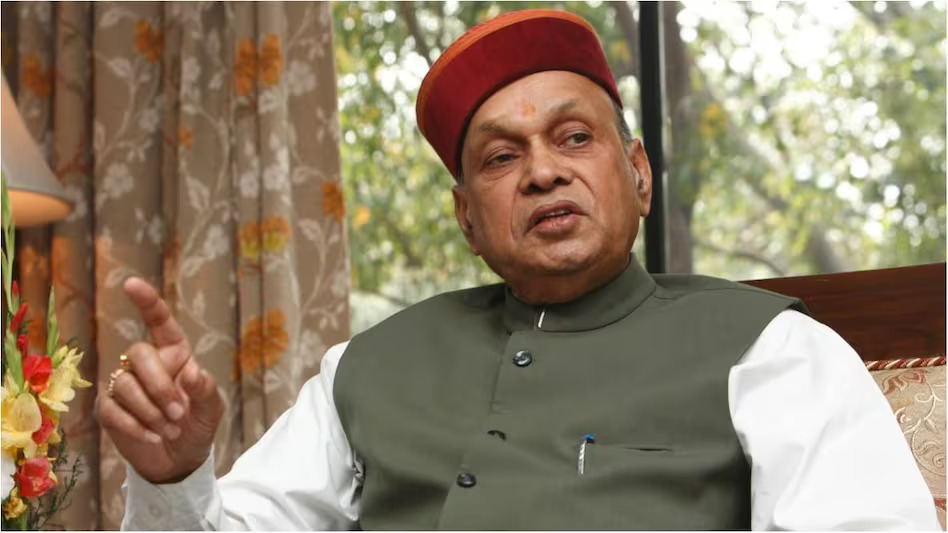
  • Prem Kumar Dhumal: A Statesman’s Journey in Himachal Pradesh Politics

    Prem Kumar Dhumal: A Statesman’s Journey in Himachal Pradesh Politics

    Early Life and Education

    Born on April 10, 1944, in Samirpur, Himachal Pradesh, Prem Kumar Dhumal hails from a modest background with roots deeply entrenched in rural Himachal Pradesh. He pursued his education with diligence, graduating with a Bachelor of Arts degree from Doaba College, Jalandhar, and later obtaining a Bachelor of Laws degree from Punjab University, Chandigarh. His academic pursuits were complemented by a keen interest in social issues and grassroots activism, laying the foundation for his future political career.

    Politics Career

    Prem Kumar Dhumal’s foray into politics was propelled by a strong sense of duty towards his fellow citizens and a fervent desire to address the socio-economic challenges facing Himachal Pradesh. Inspired by the ideology of the Bharatiya Janata Party (BJP) and its commitment to nation-building, Dhumal embarked on his political journey with unwavering determination and a resolute spirit. Prem Kumar Dhumal’s illustrious political career reached its zenith when he assumed the office of the Chief Minister of Himachal Pradesh not once but twice, serving two terms from 1998 to 2003 and again from 2007 to 2012. His tenure at the helm of the state government was characterized by bold reforms, visionary initiatives, and inclusive development policies aimed at accelerating the pace of progress and prosperity in Himachal Pradesh. Rise within the BJP: Dhumal’s rise within the BJP was marked by his exceptional organizational skills, strategic foresight, and grassroots connect. He swiftly ascended through the ranks of the party, holding various leadership positions at the state and national levels. His dynamic leadership and ability to mobilize support garnered widespread acclaim within the party ranks, earning him the respect and admiration of his colleagues and supporters alike. During his tenure as Chief Minister, Dhumal spearheaded several transformative initiatives across key sectors, including education, healthcare, infrastructure, and agriculture, laying the groundwork for sustainable growth and holistic development. His administration’s emphasis on transparency, accountability, and good governance set a benchmark for effective governance in the state, earning accolades from both within and outside the political spectrum. Also read – https://himachal.blog/raja-virbhadra-singh-the-king-of-himachal-pradesh/

    Contributions to Himachal Pradesh

    Prem Kumar Dhumal , has made significant contributions to the state’s development during his tenure as Chief Minister and throughout his political career. Some of his notable contributions include:

  • Infrastructure Development: Dhumal’s tenure witnessed substantial progress in infrastructure development across Himachal Pradesh. Under his leadership, the state saw the construction of roads, bridges, and highways, improving connectivity to remote areas and facilitating economic growth. Additionally, initiatives were undertaken to enhance tourism infrastructure, promoting Himachal Pradesh as a preferred tourist destination.
  • Education Reforms: Dhumal prioritized education reforms to improve the quality of schooling and enhance access to education in rural and remote areas. His government focused on upgrading school infrastructure, providing modern amenities, and expanding the reach of educational institutions. Initiatives such as the distribution of free textbooks and scholarships aimed to increase enrollment and reduce dropout rates.
  • Healthcare Initiatives: Dhumal’s administration implemented several healthcare initiatives aimed at strengthening the state’s healthcare infrastructure and improving healthcare delivery services. Investments were made in the establishment of new hospitals, upgrading existing healthcare facilities, and enhancing medical equipment and technology. Special attention was given to providing healthcare services in remote and underserved areas.
  • Rural Development Programs: Recognizing the importance of rural development, Dhumal initiated various programs and schemes to uplift rural communities and improve their standard of living. Initiatives such as rural electrification, provision of clean drinking water, and development of agriculture and allied sectors aimed to boost rural economies and enhance livelihood opportunities for farmers and villagers.
  • Empowerment of Women and Youth: Dhumal’s government implemented policies and programs aimed at empowering women and youth in Himachal Pradesh. Initiatives such as skill development programs, employment opportunities, and financial assistance schemes targeted these demographic segments, enabling them to become self-reliant and contributing members of society.
  • Environmental Conservation: Being a state blessed with natural beauty, environmental conservation was a key focus area during Dhumal’s tenure. Measures were undertaken to protect the fragile ecosystem of Himachal Pradesh, including afforestation programs, promotion of eco-tourism, and strict enforcement of environmental regulations to mitigate pollution and preserve biodiversity.
  • Good Governance and Transparency: Dhumal emphasized good governance and transparency in administration, aiming to curb corruption and enhance efficiency in government functioning. Various e-governance initiatives were introduced to streamline processes, facilitate citizen services, and promote accountability in governance.
  • Promotion of Small-Scale Industries: Dhumal’s government encouraged the growth of small-scale industries and entrepreneurship in Himachal Pradesh. Policies were formulated to provide incentives, subsidies, and infrastructure support to small and medium enterprises, fostering economic development and creating employment opportunities.
  • Overall, contribution made by Prem Kumar Dhumal have played a pivotal role in shaping Himachal Pradesh’s socio-economic landscape, laying the foundation for sustainable growth and development in the state. His visionary leadership and commitment to public welfare continue to inspire and resonate with the people of Himachal Pradesh.

  • Celebrating Heritage and Devotion: A Glimpse into the Vibrant Kullu Dussehra Festival

    Celebrating Heritage and Devotion: A Glimpse into the Vibrant Kullu Dussehra Festival

    History and Significance:

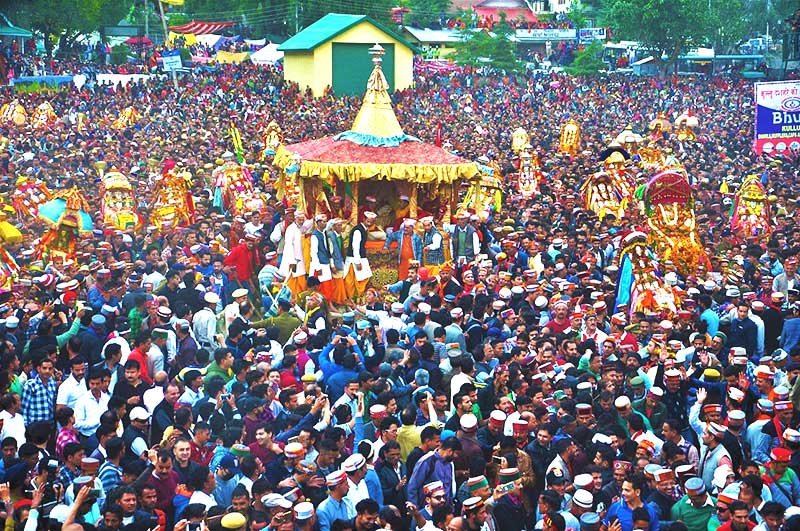
    Kullu Dussehra traces its roots back centuries, steeped in mythology and folklore. Legend has it that the festival was initiated by Raja Jagat Singh of Kullu in the 17th century to seek the blessings of Lord Raghunath (an incarnation of Lord Rama) for the well-being of his subjects. Since then, it has been celebrated annually as a mark of reverence and devotion

    Rituals and Ceremonies:

    The festivities kick off with the arrival of Lord Raghunath’s idol from its abode at the Raghunath Temple to the festival grounds. This ceremonial procession, known as the ‘Rath Yatra,’ is a sight to behold, with devotees thronging the streets to catch a glimpse of the revered deity. Throughout the week, the town buzzes with religious fervor as devotees offer prayers and perform rituals at the temple. The ‘Devta Natti,’ a traditional dance performed by local deities, adds to the spiritual ambiance of the festival. Each day is marked by special ceremonies, culminating in the grand finale on Vijayadashami,

    Cultural Extravaganza

    Kullu Dussehra is not just a religious event; it’s a vibrant celebration of the rich cultural heritage of Himachal Pradesh. Throughout the festival, the fairgrounds come alive with an array of cultural activities and traditional performances that captivate visitors from near and far.

  • Handicrafts and Artifacts: The fairgrounds are adorned with colorful stalls showcasing a diverse range of handicrafts and artifacts, reflecting the skilled craftsmanship of the region. Visitors can browse through intricately woven shawls, embroidered textiles, hand-carved wooden artifacts, and exquisite jewelry, each piece representing the unique cultural identity of Himachal Pradesh. Artisans from various parts of the state gather here to showcase their traditional craftsmanship, providing visitors with an opportunity to witness the rich artistic legacy of the region.
  • Local Delicacies: One of the highlights of Kullu Dussehra is the culinary delights that tantalize the taste buds of visitors. Food stalls offer a tempting array of local delicacies, including Himachali specialties such as Siddu (steamed bread), Babru (stuffed bread), Chana Madra (chickpea curry), and Dham (traditional feast). Visitors can savor these mouthwatering dishes while soaking in the festive atmosphere, indulging in the flavors of Himachali cuisine.
  • Folk Music and Dance: The cultural extravaganza at Kullu Dussehra is incomplete without the mesmerizing performances of folk music and dance. Throughout the festival, local artists and performers take to the stage to showcase the vibrant cultural tapestry of Himachal Pradesh. Visitors are treated to rhythmic beats of drums, melodious tunes of traditional instruments like the dhol and nagara, and energetic performances of folk dances such as Nati, Thoda, and Jataru. These captivating performances not only entertain but also provide a deeper insight into the cultural traditions and heritage of the region.
  • Traditional Costumes and Attire: Another aspect of the cultural extravaganza at Kullu Dussehra is the display of traditional costumes and attire worn by locals. Visitors can witness the colorful attire adorned with intricate embroidery, vibrant hues, and traditional motifs, reflecting the rich cultural heritage of Himachal Pradesh. Traditional accessories such as turbans, jewelry, and shawls add to the charm of the festivities, creating a visual spectacle that transports visitors back in time to an era of traditional elegance and grace.
  • Art and Cultural Exhibitions: In addition to the lively performances and vibrant market stalls, Kullu Dussehra also hosts art and cultural exhibitions that showcase the artistic talents of the region. Visitors can explore exhibitions featuring traditional paintings, sculptures, and handicrafts, gaining a deeper appreciation for the artistic heritage of Himachal Pradesh. These exhibitions provide a platform for local artists and artisans to showcase their work and promote the cultural legacy of the region.
  • Check out our latest blog – https://himachal.blog/shri-ram-mandir/

    Tourist Attractions Of Kullu Dussehra Festival

    For tourists, Kullu Dussehra offers a unique opportunity to immerse themselves in the beauty and charm of the Himalayan region. The picturesque landscapes of the Kullu Valley provide a breathtaking backdrop to the festivities, attracting nature enthusiasts and adventure seekers alike. Here are some of the top tourist attractions that visitors can enjoy during the festival: 1. Scenic Beauty of Kullu Valley: The Kullu Valley is renowned for its stunning natural beauty, characterized by lush greenery, meandering rivers, and snow-capped peaks. During Kullu Dussehra, tourists can take leisurely walks or go on nature treks to soak in the breathtaking landscapes surrounding the festival grounds. 2. River Rafting on the Beas River: Adventure enthusiasts flock to Kullu during Dussehra to experience the thrill of river rafting on the Beas River. With its gushing rapids and picturesque surroundings, the Beas offers an exhilarating rafting experience for both beginners and seasoned adventurers. 3. Trekking and Hiking Trails: The Kullu Valley is a paradise for trekkers and hikers, offering a plethora of scenic trails amidst verdant forests and towering mountains. Visitors can embark on treks to nearby attractions such as the Great Himalayan National Park, Chandrakhani Pass, and Bhrigu Lake, where they can witness breathtaking vistas and serene landscapes. 4. Sightseeing in Manali: Just a short drive from Kullu, the hill station of Manali beckons tourists with its charming ambiance and picturesque vistas. Visitors can explore popular attractions such as Hadimba Temple, Solang Valley , Rohtang Pass (seasonal), and the quaint streets of Old Manali, dotted with cozy cafes and handicraft shops. 5. Camping and Adventure Activities: Kullu Dussehra provides an ideal opportunity for adventure seekers to indulge in camping and other outdoor activities amidst the serene Himalayan wilderness. Tourists can camp under the starlit sky, go paragliding in the Solang Valley, or try their hand at ziplining and rock climbing for an adrenaline-filled experience. 6. Exploring Traditional Villages and Temples:Surrounding Kullu are several traditional Himachali villages, each offering a glimpse into the region’s rich cultural heritage. Visitors can explore ancient temples, such as Bijli Mahadev Temple and Raghunath Temple, and interact with locals to learn about their customs, traditions, and way of life. 7. Shopping for Local Handicrafts and Souvenirs:The bustling streets of Kullu and Manali are dotted with shops and markets selling a variety of local handicrafts, woolens, and souvenirs. Tourists can shop for intricately woven shawls, handmade jewelry, wooden artifacts, and other unique items to take home as mementos of their trip.

    Conclusion

    In essence, Kullu Dussehra is more than just a festival; it is a celebration of faith, heritage, and community spirit. As the beats of drums and the echoes of hymns reverberate through the valley, one cannot help but be captivated by the magic of this auspicious occasion. So, whether you’re a devout pilgrim or an avid traveler, make sure to experience the enchantment of Kullu Dussehra at least once in your lifetime.

  • Conserving Biodiversity : Exploring Himachal Wildlife Sanctuaries and National Parks

    Conserving Biodiversity : Exploring Himachal Wildlife Sanctuaries and National Parks

    1. The Great Himalayan National Park (GHNP): A UNESCO World Heritage Site

    One of Himachal’s crowning jewels is the Great Himalayan National Park, designated as a UNESCO World Heritage Site. Spread across the Kullu region, the park is a haven for a variety of wildlife, including the elusive snow leopard, Himalayan brown bear, and the colorful Western Tragopan. GHNP is not only a biodiversity hotspot but also a center for research and conservation initiatives.

    2. Pin Valley National Park: High Altitude Ecosystems

    Located in the cold desert region of Spiti, Pin Valley National Park stands as a testament to the resilience of life in high-altitude ecosystems. The park is home to endangered species such as the snow leopard, Siberian ibex, and Himalayan snow cock. The unique landscape and flora of Pin Valley contribute to its significance in the conservation map of Himachal Pradesh.

    3. Simbalbara Wildlife Sanctuary: A Riverside Sanctuary

    Situated along the banks of the Yamuna River, Simbalbara Wildlife Sanctuary is known for its lush greenery and diverse avian population. The sanctuary provides a haven for various species of pheasants, along with mammals like the Himalayan black bear and barking deer. Simbalbara’s riparian ecosystem is vital for both resident and migratory bird species.

    4. Kalatop Khajjiar Sanctuary: A Biodiversity Hotspot

    Encompassing the picturesque landscapes of Dalhousie, the Kalatop Khajjiar Sanctuary is a biodiversity hotspot in Himachal. From dense deodar forests to grassy meadows, the sanctuary is home to a variety of fauna, including the Himalayan black marten, leopard, and several species of pheasants. Also read – https://himachal.blog/solang-valley-tourism/

    5. Chail Wildlife Sanctuary: Royal Retreat for Wildlife

    Once the private hunting ground of the Maharaja of Patiala, Chail Wildlife Sanctuary is now a refuge for various species, including the cheer pheasant and the Himalayan goral. The sanctuary’s mixed deciduous forests and grasslands contribute to the overall conservation of wildlife in the region.

    Conservation Initiatives and Challenges:

    While these sanctuaries and national parks play a crucial role in preserving Himachal’s biodiversity, challenges such as habitat fragmentation, human-wildlife conflict, and climate change persist. Various initiatives have been implemented to conserve Himachal Wildlife Sanctuaries and National Parks, recognizing the importance of preserving its rich biodiversity. Some notable initiatives include:

    1. Community-Led Conservation:

    • Joint Patrolling: Engaging local communities in patrolling activities alongside forest officials helps deter poaching and illegal activities within the protected areas.
    • Awareness Programs: Conducting workshops, seminars, and awareness campaigns among local communities to foster a sense of responsibility and understanding of the significance of wildlife conservation.

    2. Habitat Restoration and Management:

    • Afforestation Projects: Planting native trees and vegetation to restore and enhance degraded habitats, ensuring a conducive environment for wildlife.
    • Wetland Conservation: Protecting and restoring wetland areas that are critical for migratory birds and other aquatic species.

    3. Anti-Poaching Measures:

    • Use of Technology: Deploying modern technologies such as camera traps, drones, and satellite monitoring to strengthen anti-poaching efforts and monitor wildlife populations.
    • Enhanced Patrolling: Increasing the presence of forest guards and utilizing trained wildlife protection units to deter and combat poaching activities.

    4. Research and Monitoring Programs:

    • Biodiversity Surveys: Conducting regular surveys to monitor the health and diversity of flora and fauna within sanctuaries, providing essential data for conservation planning.
    • Wildlife Health Monitoring: Implementing programs to monitor the health of wildlife populations, identifying and addressing potential disease threats.

    5. Human-Wildlife Conflict Resolution:

    • Early Warning Systems: Implementing systems to alert communities about the movement of wildlife, enabling preventive measures to minimize conflict.
    • Compensation Programs: Establishing compensation mechanisms for losses incurred by communities due to wildlife, reducing negative sentiments towards conservation efforts.

    6. Climate-Resilient Conservation:

    • Climate-Change Adaptation Programs: Implementing strategies to help wildlife adapt to changing climate conditions, such as creating water sources and planting climate-resilient vegetation.
    • Mitigation Efforts: Participating in broader initiatives addressing climate change to protect the long-term viability of ecosystems.

    7. Eco-Tourism and Sustainable Practices:

    • Guidelines for Tourism Operators: Providing guidelines and training for tourism operators to ensure that visitor activities are sustainable and minimize their impact on wildlife.
    • Revenue Generation: Channeling funds generated through eco-tourism into conservation projects and local community development.

    8. Legal Framework Strengthening:

    • Amendments to Wildlife Laws: Regularly reviewing and updating wildlife protection laws to address emerging challenges and strengthen penalties for offenses.
    • Collaboration with Law Enforcement: Cooperating with law enforcement agencies to ensure effective implementation of wildlife protection laws.

    9. Collaborative Conservation Projects:

    • Partnerships with NGOs and International Organizations: Collaborating with non-governmental organizations (NGOs) and international bodies to bring in expertise, funding, and support for conservation projects.

    10. Education and Capacity Building:

    • Training Programs: Conducting training programs for forest officials, local communities, and guides to enhance their understanding of wildlife conservation and management.
    • Environmental Education in Schools: Integrating environmental education into school curricula to instill a conservation ethic in the younger generation.
    These initiatives collectively contribute to the holistic conservation approach in Himachal Pradesh, ensuring the protection and sustainability of its wildlife sanctuaries and national parks.

    Conclusion: Himachal Pradesh’s commitment to conserving its biodiversity through wildlife sanctuaries and national parks reflects a harmonious coexistence between human activities and nature. As visitors traverse these protected areas, they not only witness the awe-inspiring beauty of the Himalayan ecosystems but also actively contribute to the ongoing efforts to safeguard these natural treasures for generations to come. The delicate dance between conservation and exploration ensures that Himachal Wildlife Sanctuaries and National Parks continue to thrive against the backdrop of its majestic landscapes.

  • Himachal Pradesh Statehood Day: A Glimpse into History, Culture, and Celebrations

    Himachal Pradesh Statehood Day: A Glimpse into History, Culture, and Celebrations

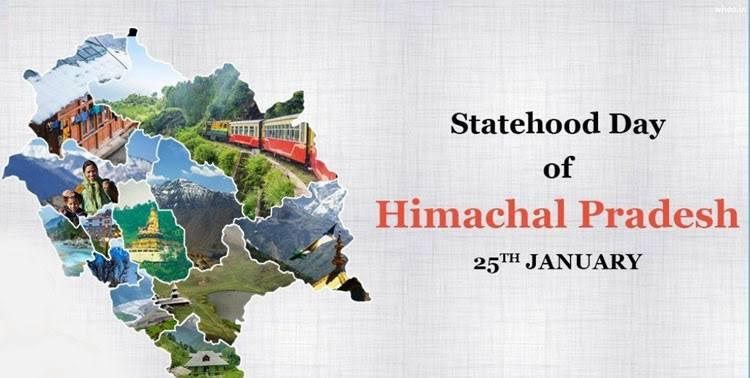
    Statehood Day in Himachal Pradesh is a momentous occasion that commemorates the day when the region achieved full statehood. Himachal Pradesh Statehood Day holds immense significance as it marks the recognition and autonomy of the region as a separate state within the Indian Union. It symbolizes the cultural, geographical, and administrative identity of Himachal Pradesh. Let’s delve into the history, challenges faced during statehood, and vibrant celebrations that mark this special day.

    The Formation of Himachal Pradesh

    The journey to statehood was not without challenges. Himachal Pradesh, formerly part of Punjab, faced socio-economic and political complexities. Let’s delve deeper into the specific history of Himachal Pradesh’s journey to statehood:

    Formation of the Chief Commissioner’s Province: The Chief Commissioner’s province of Himachal Pradesh was established post-independence on April 15, 1948, reflecting the region’s administrative reorganization. Part C, State and Union Territory Phase: On 26th January 1950, Himachal Pradesh attained the status of a Part C state. However, recognizing the need for more effective administrative control, it transitioned into a Union Territory on 1st November 1956. Statehood Act of 1970: The demand for full statehood gained momentum in the late 1960s. In response, the Indian Parliament passed the State of Himachal Pradesh Act in 1970. This legislative milestone paved the way for the state’s full-fledged status. Emergence as the 18th State: The State of Himachal Pradesh Act came into effect in January 1971, officially declaring Himachal Pradesh as the 18th state of the Indian Union. Significance of 25th January: To commemorate this historical transition, the 25th of January is celebrated annually as Statehood Day in Himachal Pradesh. This day holds profound significance, marking the formal recognition of the state within the constitutional framework of India. Himachal Pradesh’s journey to statehood represents a crucial phase in its history, symbolizing the aspirations of its people for greater autonomy and self-governance within the Indian Union. The legislative processes and administrative changes during this period laid the foundation for the state’s distinct identity and continued development.

    Overcoming Challenges on the Road to Statehood

    The movement for Himachal Pradesh’s statehood involved various leaders who played instrumental roles. One prominent figure was Yashwant Singh Parmar. As the first Chief Minister of Himachal Pradesh, he actively championed the cause of statehood and led the state through its early years after attaining full statehood in 1971. Parmar’s leadership and dedication were crucial in navigating the challenges and transitions during this significant period in Himachal Pradesh’s history. The transition of Himachal Pradesh from a Union Territory to a full-fledged state involved overcoming several challenges. Here’s a detailed look at the obstacles faced during this significant period: Administrative Reorganization: The shift from a Union Territory to a state-required comprehensive administrative reorganization. Establishing a functional and efficient administrative setup that catered to the specific needs and aspirations of Himachal Pradesh was a formidable task. Regional Imbalances: Addressing regional imbalances within the newly formed state posed a challenge. Balancing development across diverse terrains and communities, from the lower plains to the high Himalayan ranges, required careful planning and resource allocation. Socio-Economic Development: Ensuring socio-economic development while transitioning to statehood was a priority. This involved implementing policies and programs that aimed at uplifting various sectors, including agriculture, education, healthcare, and infrastructure.

    Infrastructure Development: Building and enhancing infrastructure was a key challenge. The state needed robust connectivity, including roads and communication networks, to facilitate economic growth and improve the quality of life for its residents. Cultural Diversity: Himachal Pradesh boasts rich cultural diversity with distinct traditions across regions. Integrating this diversity into a cohesive state identity, while respecting local customs and traditions, required a delicate balance to foster unity. Political Consensus: Securing political consensus and support for statehood was a complex process. Coordinating with various political stakeholders and ensuring a unified front in the Indian Parliament required diplomatic negotiation and strategic collaboration. Economic Sustainability: Ensuring economic sustainability and independence was vital. Himachal Pradesh’s economy had to be diversified and strengthened to reduce dependence on external resources and foster self-sufficiency. Environmental Concerns: Given the state’s pristine environment, the challenge was to strike a balance between development and environmental conservation. Policies are needed to ensure sustainable growth without compromising the ecological integrity of the region. Overcoming these challenges required a concerted effort from the central and state governments, as well as the active participation and resilience of the people of Himachal Pradesh. The successful navigation through these obstacles ultimately paved the way for the state to emerge as an integral part of the Indian Union with its unique identity and aspirations.

    Harmony in Tradition

    In the heart of the Himalayas, this day marks not just a commemoration but a vibrant celebration of resilience, diversity, and the collective spirit that defines Himachal Pradesh. Celebrations and Traditions: Statehood Day is celebrated with great enthusiasm across Himachal Pradesh. The day kicks off with flag-hoisting ceremonies, parades, and cultural events. Local communities showcase their traditional dance forms, showcasing the rich cultural heritage of the state. Food Delights: The celebrations are incomplete without indulging in Himachali cuisine. From Sidu to Thenthuk, the diverse flavors of Himachali dishes reflect the state’s agricultural abundance and unique culinary traditions. Environmental Essence: Himachal Pradesh, known for its pristine landscapes, emphasizes environmental conservation during the Statehood Day celebrations. Tree planting drives and awareness programs underscore the importance of preserving the state’s natural beauty. Cultural Extravaganza: Cultural programs featuring folk music, dance, and traditional attire are an integral part of the celebrations. This highlights the artistic vibrancy deeply rooted in Himachali culture. Wishes and Greetings: On this auspicious day, people exchange warm wishes, emphasizing unity, prosperity, and the state’s continued growth. The air is filled with positivity as communities come together to celebrate their shared heritage.

    Conclusion:
    Himachal Pradesh Statehood Day is not just a commemoration; it is a celebration of resilience, diversity, and the spirit of the people. As the state continues to thrive, let this day serve as a reminder of Himachal’s unique identity, its journey to statehood, and the collective aspirations for a brighter future.