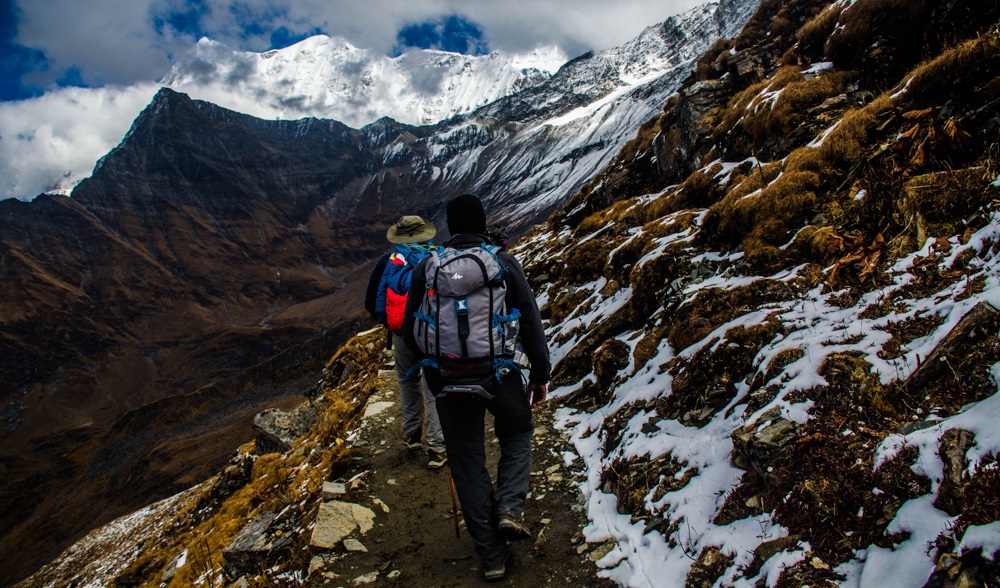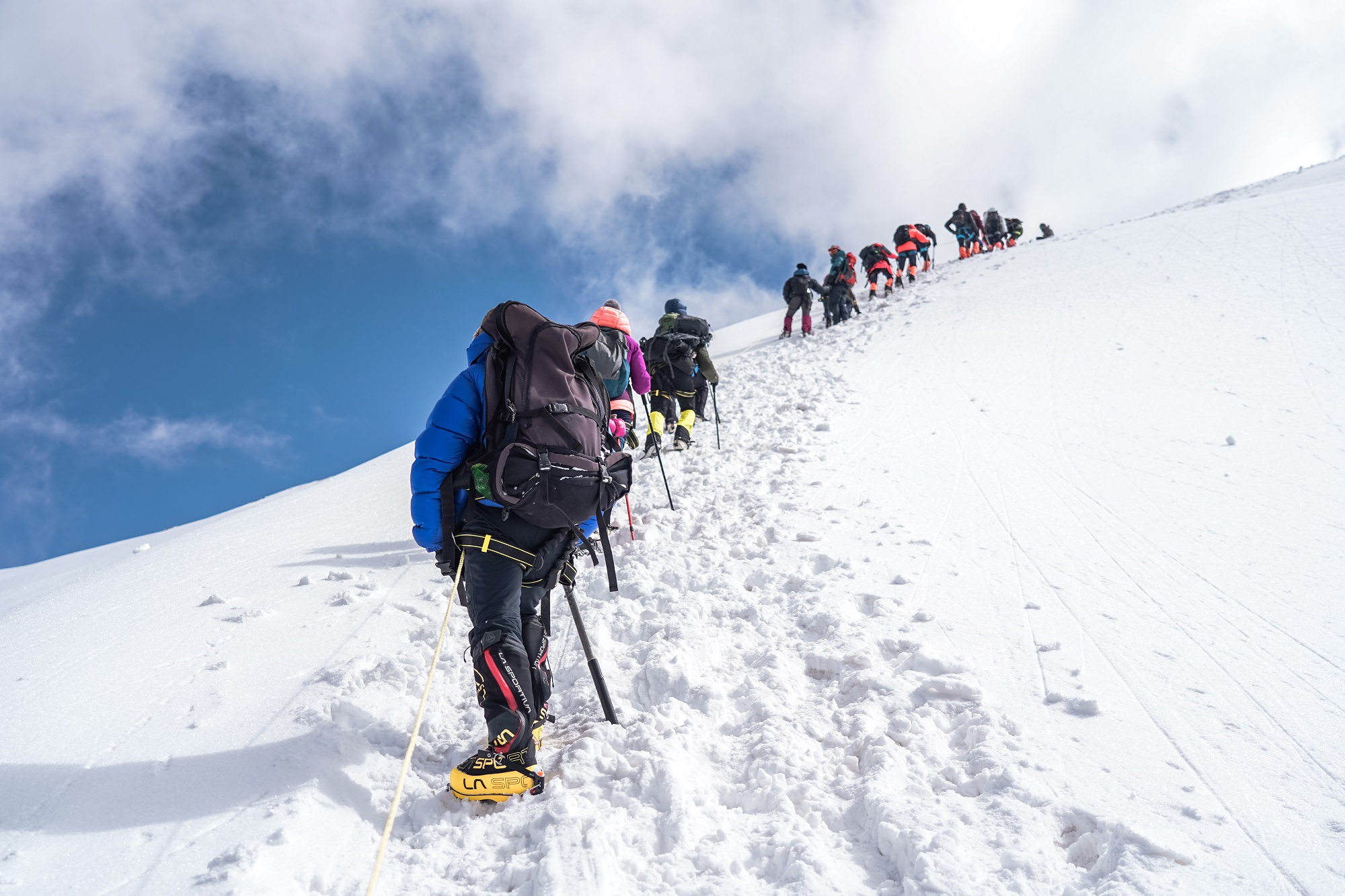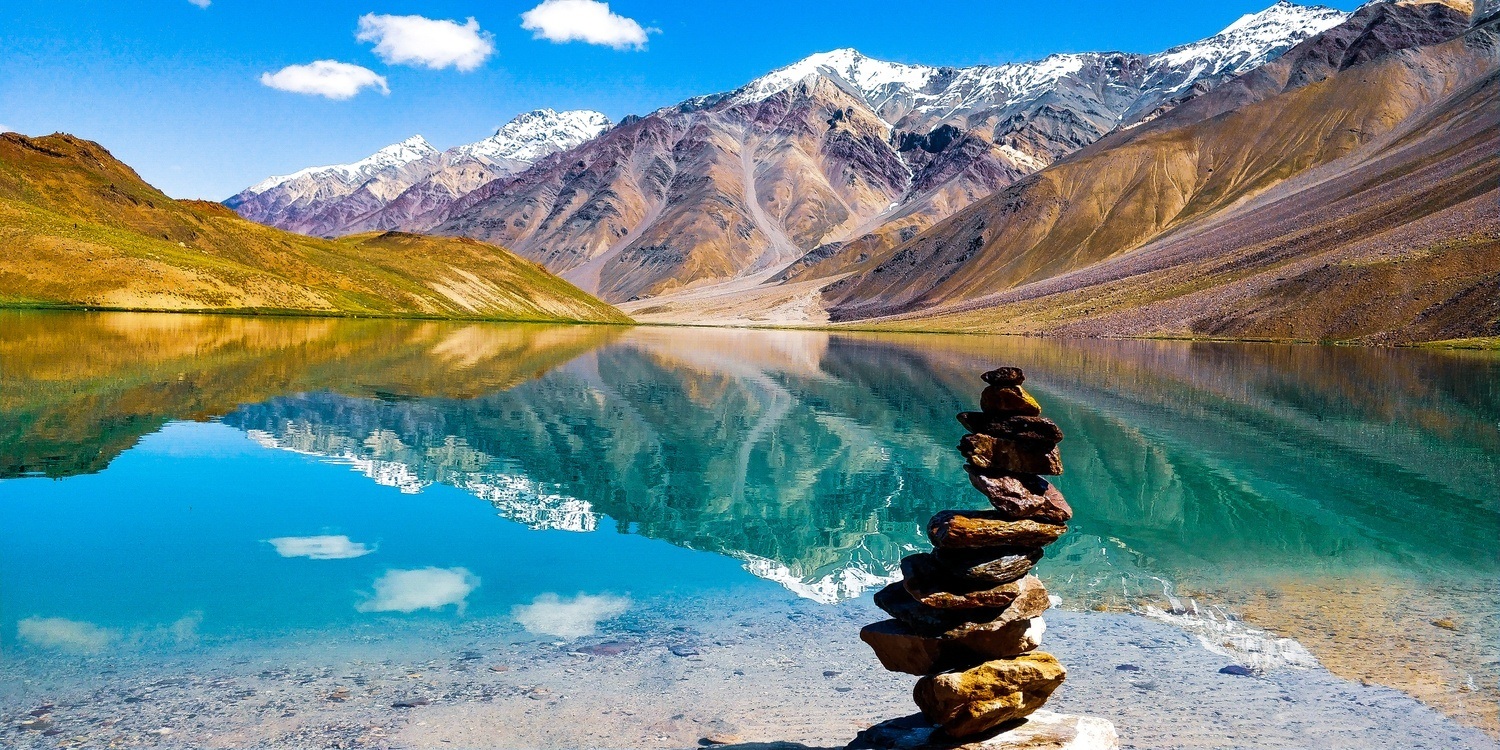
Shimla 14°C, clear Manali 8°C, light snow above 2400m NH3 Chandigarh–Manali: open, no restrictions HP govt jobs: new postings this week Dharamshala 12°C, overcast Apple mandi rate, Shimla: ₹68–82/kg Shimla 14°C, clear Manali 8°C, light snow above 2400m NH3 Chandigarh–Manali: open, no restrictions HP govt jobs: new postings this week Dharamshala 12°C, overcast Apple mandi rate, Shimla: ₹68–82/kg

Category: Travel

  • By Air: The nearest airport to Naggar is Bhuntar Airport, also known as Kullu-Manali Airport, located approximately 32 kilometers away. From the airport, you can hire a taxi or use public transportation to reach Naggar. Flights to Bhuntar Airport are available from major cities such as Delhi and Chandigarh.
  • By Road: Naggar is well-connected by road to major cities and towns in Himachal Pradesh and neighboring states. You can reach Naggar by bus, taxi, or private car. The town is approximately 21 kilometers from Manali and around 22 kilometers from Kullu. The road leading to Naggar offers scenic views of the Himalayas.
  • By Train: The nearest railway station to Naggar is Joginder Nagar Railway Station, which is located about 144 kilometers away. However, this railway station has limited connectivity. The most convenient railway stations with better connectivity are Chandigarh Railway Station and Pathankot Railway Station, both of which are around 300 kilometers away. From these railway stations, you can continue your journey to Naggar by road via bus or taxi.
  • Entry Fee and Timings of Naggar Castle The Naggar Castle charges an entry fee of INR 30 per person. It opens from 9 am to 6 pm every day of the week.

    Facilities available at Naggar Castle

  • A restaurant that serves regional trout
  • Drive-in: A drive-in
  • An intercom for guests staying in the castle
  • Cable TV
  • 24-hour power backup
  • On-demand taxi service
  • On-call doctor service
  • A public washroom
  • Some interesting facts about this Place:

  • The iconic “Ye Ishq Haye” song from the Bollywood movie Jab We Met was filmed at Naggar Castle.
  • It is believed that Pandit Jawaharlal Nehru spent several days here, drawing inspiration for his book ‘A Bunch of Old Letters’.
  • Renowned artist Nicholas Roerich resided in this palace, drawing inspiration from the surrounding natural beauty to craft some of his masterpieces.
  • Historical Background

    Built over 500 years ago by Raja Sidh Singh of Kullu, Naggar Castle served as the erstwhile royal residence of the Kullu dynasty. Constructed using wood and stone in traditional Himachali architectural style, the castle reflects artistic finesse and craftsmanship of its creators. Over the centuries, it witnessed the ebb and flow of history, withstanding the test of time and preserving the legacy of its illustrious past.

    Architecture and Design:

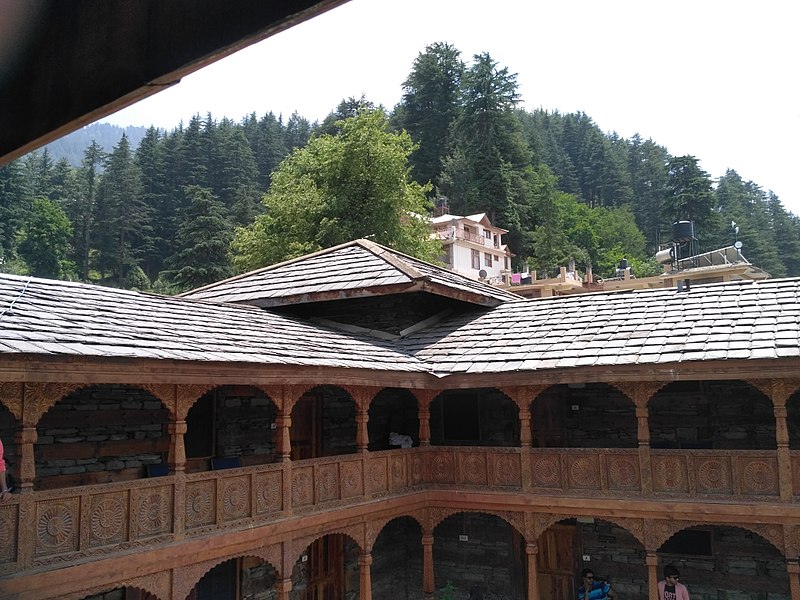
    Naggar Castle’s architecture is a harmonious blend of indigenous Himachali and Tibetan influences, characterized by intricately carved wooden balconies, ornate doorways, and sloping slate roofs. The castle’s imposing structure, with its commanding views of the surrounding valleys and snow-capped peaks, evokes a sense of grandeur and magnificence. Within the castle complex, visitors can explore a series of beautifully adorned rooms, each offering a glimpse into the bygone era of royalty. The interiors are decorated with exquisite woodwork, antique furnishings, and traditional artifacts, transporting visitors back in time to an era of regal splendor and refinement. Also read – https://himachal.blog/kangra-fort-the-historical-marvel-of-himachal-pradesh/

    Cultural Significance:

    Beyond its architectural magnificence, Naggar Castle holds immense cultural significance as a repository of Himachal Pradesh’s rich heritage. It served as a center of artistic and intellectual pursuits, attracting scholars, artists, and poets from far and wide. The castle’s serene surroundings and idyllic setting inspired renowned artists like Nicholas Roerich, who made Naggar their home and established an art gallery within the castle premises, showcasing their works and promoting cultural exchange.

    For a taste of India’s royal past intertwined with the ambiance of the British Raj, Naggar Castle offers an unparalleled experience. While exploring Naggar, be sure to visit the Jagatipatt Temple and immerse yourself in its spiritual aura. Dive deeper into the local charm by venturing to nearby attractions such as the Gauri Shankar Temple, Krishna Temple, and the renowned Art Gallery of Nicholas Roerich. For a cultural immersion, explore Urusvati Himalayan Folk. Nature enthusiasts can embark on a trek to the picturesque Jana waterfall, located approximately 12 km from the castle, to witness nature’s grandeur. Don’t miss the opportunity to peruse the vibrant local markets of Naggar, offering an array of treasures waiting to be discovered amidst the quaint streets.

    Tourist Attraction

    Today, Naggar Castle stands as a popular tourist destination, offering visitors a glimpse into the region’s glorious past and a chance to immerse themselves in its serene ambiance. The castle’s picturesque location amidst lush greenery and panoramic vistas makes it an ideal retreat for nature lovers and history enthusiasts alike. Visitors can explore the castle’s museum, art gallery, and handicrafts center, or soak in the tranquility of its surroundings while savoring local delicacies at the onsite restaurant.

    Conclusion

    In conclusion, Naggar Castle stands as a shining beacon of Himachal Pradesh’s rich cultural heritage, beckoning travelers to embark on a journey of discovery and exploration. With its timeless beauty, historical significance, and serene ambiance, the castle continues to enchant visitors around the world, offering a glimpse into the grandeur of bygone eras and a testament to the enduring legacy of the region’s royal heritage.
  • Solang Valley tourism : A Paradise for Adventure Enthusiasts

    Solang Valley tourism : A Paradise for Adventure Enthusiasts

    Introduction

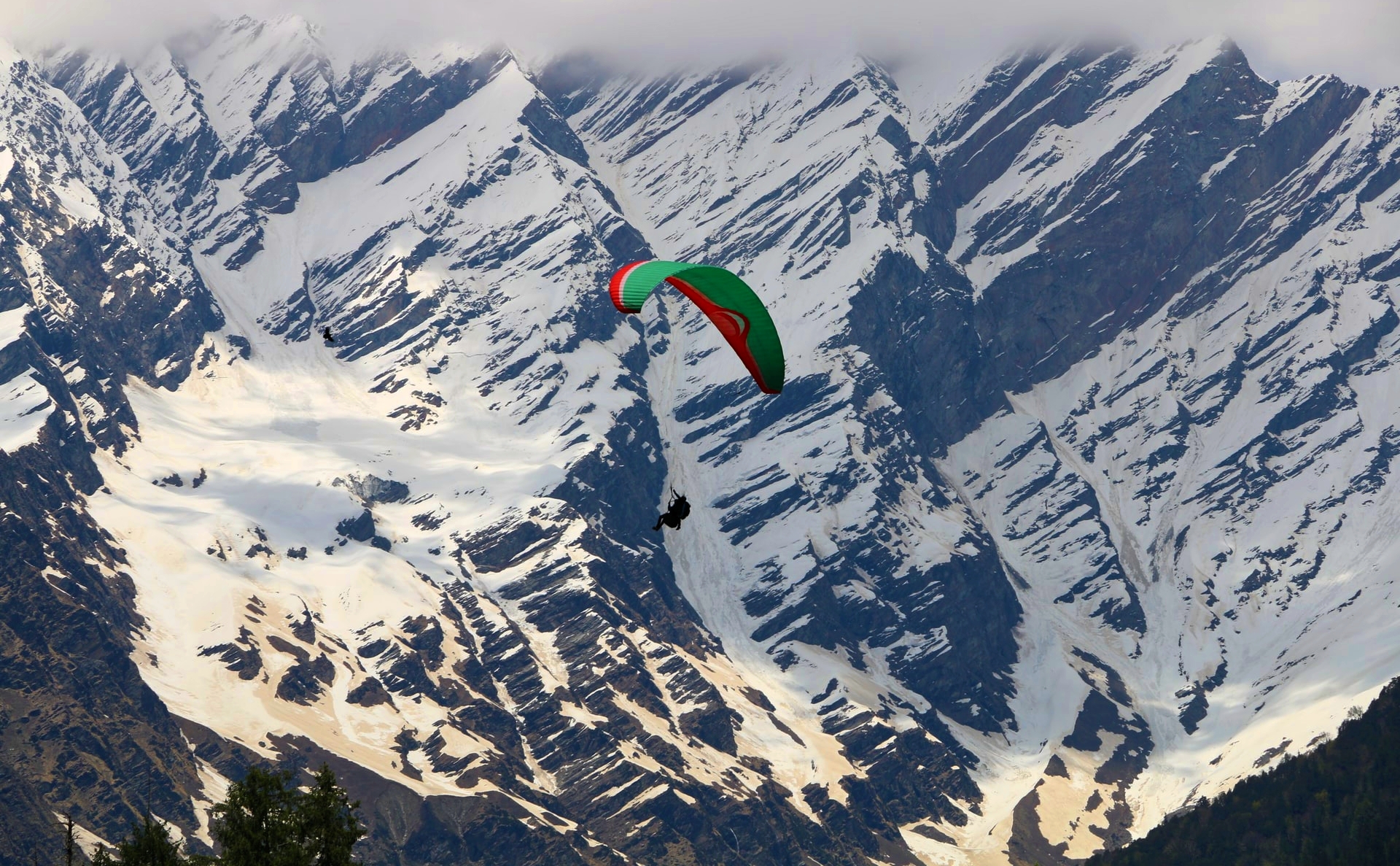
    Solang Valley is renowned for its stunning vistas, snow-capped peaks, and a plethora of thrilling activities that cater to both adrenaline junkies and those seeking a tranquil escape.The sports most commonly offered are parachuting, paragliding, skating, and zorbing.

    Geography and Climate

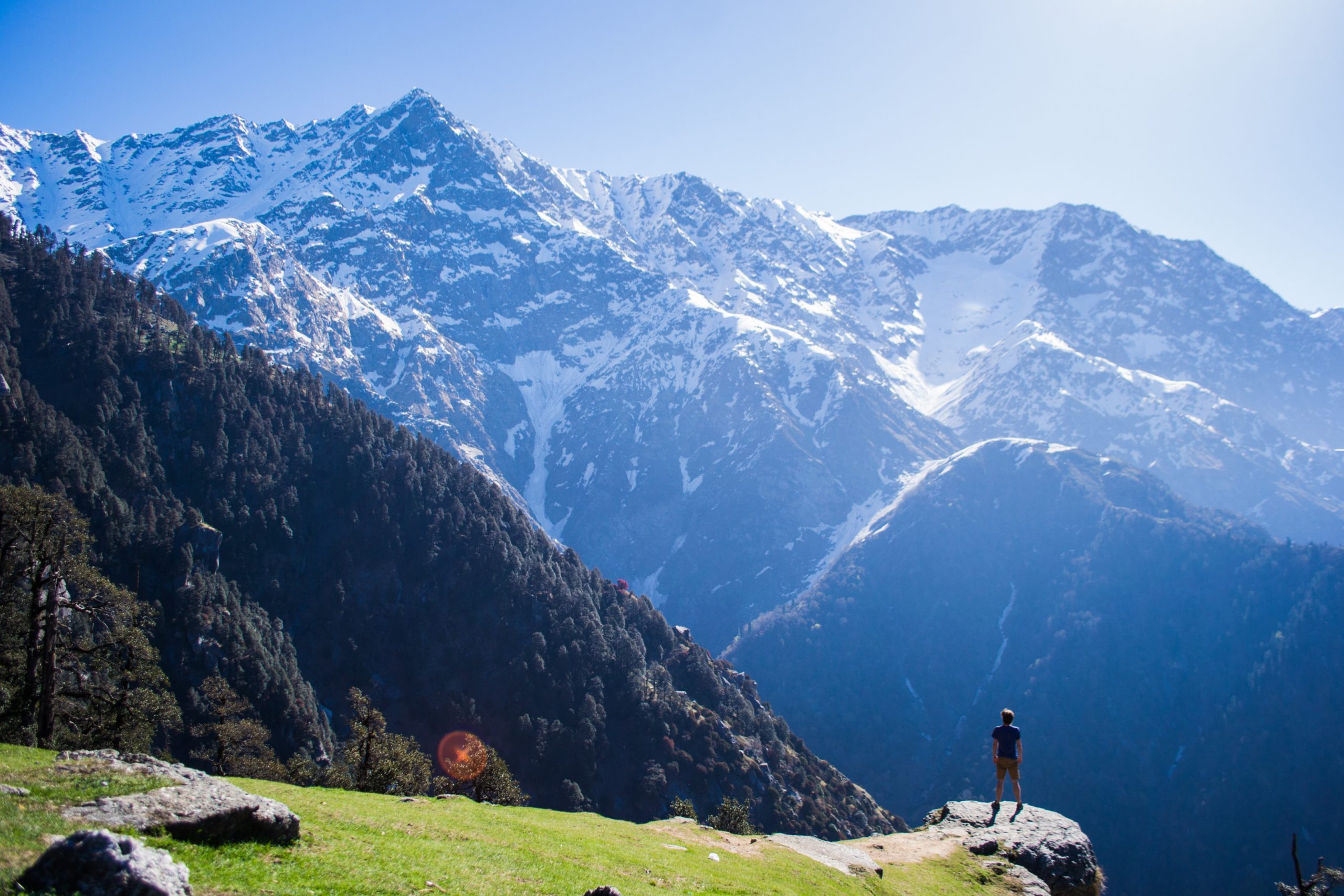
    Solang Valley is situated at an elevation of about 2,560 meters (8,398 feet) above sea level. Surrounded by towering mountains, the valley provides a panoramic view of the snow-clad peaks of the Pir Panjal range. The region experiences a subarctic climate, with cold winters and mild summers. The winter months, from November to February, transform Solang Valley into a snowy wonderland, attracting skiers and snowboarders from around the world.

    Accessibility

    Solang Valley is easily accessible from Manali, and visitors can reach the valley by road or through the Solang Ropeway. The nearest airport is Bhuntar Airport, approximately 63 kilometers away, while the closest railway station is Joginder Nagar Railway Station, around 175 kilometers away.

    Attractions of Solang valley Tourism

    1. Stunning Natural Beauty: Solang Valley is surrounded by breathtaking landscapes with snow-capped peaks, lush green meadows, and dense forests, providing a picturesque setting for visitors. Rohtang Pass, located nearby, offers mesmerizing views of the surrounding mountains and is accessible from Solang Valley.

    2. Adventure Sports Hub: Solang Valley is renowned as an adventure sports hub, drawing enthusiasts in both winter and summer. In winter, it’s a hotspot for skiing and snowboarding, with slopes suitable for beginners and challenging ones for professionals. The annual Skiing and Snowboarding Championship attracts athletes and spectators. In summer, the Solang Ropeway offers stunning mountain views, and activities like paragliding and zorbing add to the thrill, making it a year-round destination for adventure seekers.

    3. Solang Ropeway: The Solang Ropeway, or Solang Cable Car, offers panoramic views of the surrounding mountains and valleys, providing a thrilling and scenic experience.

    4. Rohtang Pass: Located nearby, Rohtang Pass is a high-altitude mountain pass offering stunning vistas of the Dhauladhar Range and the Pir Panjal Range. It’s a popular destination for day trips from Solang Valley.

    5. Beas Kund Trek: Adventure seekers can embark on the Beas Kund trek, a scenic trail leading to a sacred alpine lake. The trek offers breathtaking views and a chance to experience the natural beauty of the region.

    6. Year-round Appeal: While winter attracts snow sports enthusiasts, Solang Valley remains a captivating destination throughout the year. The summer months offer pleasant weather and a different set of adventure activities.

    7. Cultural Experience: Visitors can immerse themselves in the local Himachali culture, exploring traditional cuisine, witnessing local customs, and interacting with the warm and hospitable locals.

    8. Tranquil Retreat: Apart from adventure, Solang Valley provides a serene and peaceful environment for those seeking a break from the hustle and bustle of city life.

    9. Photography Opportunities: The diverse landscapes, including snow-covered peaks, vibrant meadows, and clear skies, offer ample opportunities for photographers to capture the beauty of Solang Valley.

    10. Gateway to High-Altitude Treks: For trekking enthusiasts, Solang Valley serves as a gateway to high-altitude treks, providing access to some of the most beautiful and challenging trails in the Himalayas.

    11. Local Cuisine: Visitors can savor traditional Himachali cuisine, experiencing the unique flavors and culinary delights of the region.Visitors can explore the traditional Himachali cuisine, which includes dishes like Sidu, Thenthuk, and Mittha.

    Conclusion:

    Solang Valley, with its stunning landscapes and a plethora of adventure activities, stands as a testament to the beauty of the Himalayas. Whether you are an adventure seeker or someone looking for a peaceful retreat, Solang Valley has something to offer for everyone. The blend of natural beauty, thrilling adventures, and cultural richness makes Solang Valley a must-visit destination for those exploring the enchanting landscapes of Himachal Pradesh.

  • Kangra Fort – The Historical Marvel Of Himachal Pradesh

    Kangra Fort – The Historical Marvel Of Himachal Pradesh

    How to Reach

    By Air:

    Gaggal Airport (Dharamshala):The nearest airport to Kangra Fort is Gaggal Airport, also known as Kangra Airport, in Dharamshala. It is approximately 14 kilometers away from Kangra.From the airport, one can hire a taxi or use local transportation to reach Kangra Fort.

    By Train:

    Pathankot Railway Station:The nearest major railway station is Pathankot Junction, located approximately 87 kilometers from Kangra.From Pathankot, one can hire a taxi or take a bus to reach Kangra. The journey offers scenic views of the region.

    By Road:

    Kangra is well-connected by road, and there are regular bus services from major towns in Himachal Pradesh and neighboring states.Private taxis and cab services are also available from nearby towns and cities. 1. From Dharamshala: Dharamshala is a popular nearby town, and buses or taxis can be easily found from Dharamshala to Kangra (approximately 20 kilometers). 2. From Pathankot: Pathankot is a major transportation hub in the region. One can take a bus or hire a taxi from Pathankot to reach Kangra. Best Time To Visit – March to June Timings – 9 AM to 6 PM Entry Fee – INR 150 for Indians, INR 300 for foreigners

    Historical Overview

    The origins of Kangra Fort are shrouded in legends and myths that intricately connect the fort’s history with the ancient Katoch dynasty. According to mythological tales recounted in the Markandeya Purana, the roots of the Katoch clan trace back to the epic battle of Raktbeej Vadh. Legend has it that during this battle, Goddess Ambika faced the formidable demon Raktbeej, who had the ability to resurrect with every drop of his blood that touched the ground. In a pivotal moment, a drop of the goddess’s sweat fell to the earth, giving rise to the first Katoch, Bhumi Chand. Bhumi Chand is said to have played a crucial role in aiding the goddess in overcoming the demon, and as a reward, he was granted the kingdom of Trigarta, encompassing the land of the three rivers – the Ravi, the Beas, and the Sutlej. The region of Kangra is an integral part of this historical realm. References to the Katoch dynasty can also be found in the ancient epics, the Ramayana and the Mahabharata. Local legends attribute the construction of Kangra Fort to Rajanaka Susharma Chand. According to the folklore, following his defeat in the battle of Mahabharata as an ally of the Kauravas, Susharma Chand sought refuge at the confluence of two rivers and played a pivotal role in establishing the fort. Sir A. Cunningham, an eminent figure in Indian archaeology, has provided historical insights by revealing the first recorded reference to Kangra, then known as Jalandhara, in Ptolemy’s texts. The historical record identifies the Katoch King Parmanand Chand as the renowned King Porus, celebrated for his triumph over Alexander the Great. Etymologically, the term “Kangra” is believed to have evolved from “Karna Garh,” a name rooted in ancient history. Jalandhar, in ancient times, covered an extensive territory named after the demon Jalandhar, supposedly vanquished and buried by Lord Shiva. As King Susharma Chand chose to construct the fort over the area corresponding to Jalandhar’s ear (known as “karna” in Sanskrit), it acquired the name “Karna Garh.” Over time, this name transformed into “Kan Garh” in Hindi before evolving into the present-day “Kangra.” Also read – https://himachal.blog/shri-ram-mandir/

    Architecture of Kangra Fort

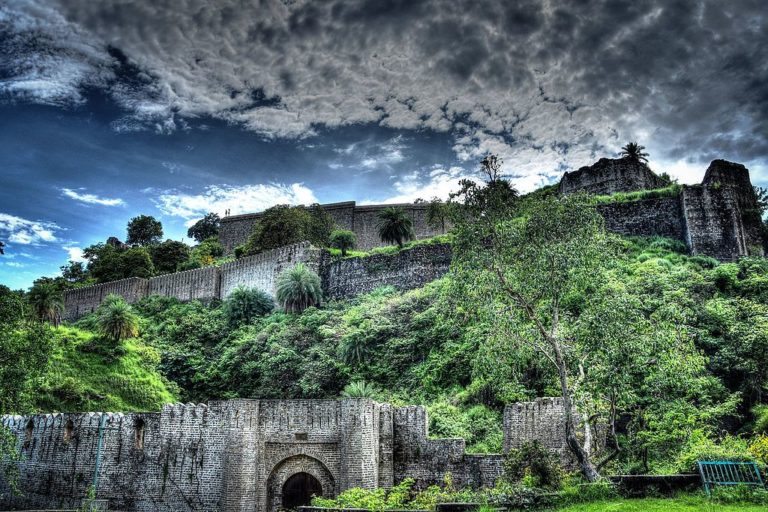
    Kangra Fort’s architectural splendor reflects a harmonious blend of Hindu and Mughal influences. The fort is strategically positioned on a precipitous ridge overlooking the confluence of the Banganga and Manjhi rivers. Enclosed within massive walls and reinforced by bastions and watchtowers, the fort stands as a formidable structure. The entrance, known as the Ranjit Singh Gate, welcomes visitors with intricate carvings and historical significance. Inside, the Sheesh Mahal, or Palace of Mirrors, captivates with its reflective surfaces, showcasing the artistic brilliance of its creators. Bastions and watchtowers not only served defensive purposes but also provided panoramic views of the Kangra Valley, ensuring the fort’s strategic importance.

    Attractions of Kangra Fort

    1. Ranjit Singh Gate: The main entrance to Kangra Fort is known as the Ranjit Singh Gate, named after Maharaja Ranjit Singh. This gate is adorned with intricate carvings and serves as a historic entry point. 2. Ambika Devi Temple: Located within the fort, the Ambika Devi Temple is dedicated to Goddess Ambika. The temple’s architecture and religious significance make it a notable attraction for visitors. 3. Sheesh Mahal (Palace of Mirrors): The Sheesh Mahal is a stunning structure within Kangra Fort that features mirrors embedded in the walls. This palace reflects the artistic brilliance of the bygone era. 4. Viewpoints and Panoramic Scenery: Kangra Fort offers breathtaking views of the surrounding Kangra Valley and the Dhauladhar Range. Several viewpoints within the fort provide visitors with an opportunity to enjoy the panoramic scenery. 5. Bastions and Watchtowers: The fort’s bastions and watchtowers not only serve historical and defensive purposes but also offer excellent vantage points for visitors to admire the landscape. 6. Historical Artifacts and Exhibits: The fort may house historical artifacts, sculptures, and exhibits that provide insights into the cultural and historical heritage of the region. Visitors can explore these exhibits to learn more about Kangra’s history. 7. Water Reservoirs and Channels: The water management systems within the fort, including reservoirs and channels, are not only functional but also add to the architectural and historical interest of the site. 8. Cultural and Religious Significance: The cultural and religious significance of Kangra Fort is evident in the presence of temples and religious structures. These sites attract pilgrims and those interested in exploring the religious heritage of the region. 9. Architectural Grandeur: The overall architectural design of Kangra Fort, including its massive walls, gates, and various structures, showcases a blend of Hindu and Mughal influences. The fort itself is an architectural marvel. 10. Reservoirs and Water Channels: The fort features reservoirs and water channels that were crucial for meeting the water needs of the occupants during times of siege. These water management systems highlight the strategic planning of the fort’s architects.

    Conservation Efforts:

    In recognition of its historical and cultural significance, efforts have been made to conserve Kangra Fort. Restoration initiatives address structural issues, and conservation of artistic elements ensures the preservation of the fort’s aesthetic value. Collaborations with heritage organizations, community engagement, and the integration of modern technologies contribute to the ongoing conservation endeavors.

    Conclusion

    Kangra Fort stands as a living testament to the resilience of history, surviving the sands of time and preserving the essence of an era long gone. Its towering walls echo with the tales of valor, mythological legends, and architectural brilliance. As visitors traverse the corridors of Kangra Fort, they embark on a journey through time, unraveling the layers of a fortress that stands as a guardian of the Kangra Valley’s rich heritage.

  • Black Peak Expedition

    Black Peak Expedition

    Overview

    Specifically, it is situated within the Govind National Park, which is known for its stunning landscapes, diverse flora and fauna, and challenging trekking and mountaineering opportunities.Its distinctive shape, resembling a cobra’s head, adds to its mystique, making it a coveted destination for thrill-seeking mountaineers.

    With a rich history dating back to the early 20th century, Black Peak witnessed its first attempts by British mountaineers and was eventually conquered by an Indo-Tibetan Border Police (ITBP) team in 1979. Since then, it has beckoned adventurers from around the globe, all enticed by its rugged terrain and awe-inspiring vistas.

    According to local folklore, Black Peak holds significant mythological importance in the region, believed to be the abode of Lord Shiva, a revered figure in Hindu mythology. The mountain is also thought to be guarded by protective mountain deities.

    Embarking on the Black Peak expedition takes trekkers through the pristine landscapes of the Govind National Park, an area teeming with diverse flora and fauna, providing a unique experience for nature enthusiasts. The trail winds through alpine meadows, pine forests, moraine ridges, boulders, and glacial basins, revealing breathtaking beauty at every turn. Trekkers navigate crevassed snowfields, lush green meadows, glaciers, thick forests, scattered streams, and miles of rocky moraines, offering a diverse and captivating trekking experience.

    Short itinerary

    Day 1: Arrival in Dehradun

  • Arrive in Dehradun, the capital city of Uttarakhand, and get transferred to the base camp.
  • Attend a briefing session, gear check, and meet the trekking team.
  • Day 2: Dehradun to Sankri (Drive)

  • Drive from Dehradun to Sankri, the gateway to the trek.
  • Enjoy scenic views during the journey.
  • Day 3: Sankri to Juda Ka Talab

  • Trek from Sankri to Juda Ka Talab.
  • Pass through dense forests, and charming meadows, and reach the beautiful Juda Ka Talab campsite.
  • Day 4: Juda Ka Talab to Kedarkantha Base

  • Trek to Kedarkantha Base.
  • Ascend through snow-covered trails, witnessing panoramic views.
  • Camp at the Kedarkantha Base.
  • Day 5: Kedarkantha Base to Kala Nag Base Camp

  • Trek to Kala Nag Base Camp, gradually gaining altitude.
  • Camp amidst the serene surroundings.
  • Day 6: Acclimatization Day

  • Spend the day acclimatizing to the high altitude.
  • Short hikes around the base camp.
  • Day 7: Kala Nag Base Camp to Advance Base Camp (ABC)

  • Trek to the Advance Base Camp (ABC) of Kala Nag.
  • Navigate challenging terrains and set up camp at a higher altitude.
  • Day 8-11: Summit Attempt and Descend

  • Begin the summit push, negotiating steep ascents and technical sections.
  • Summit Black Peak (Kala Nag) and savor the achievement.
  • Descend to the base camp and then back to Sankri.
  • Day 12: Reserve Day

  • A buffer day in case of adverse weather conditions.
  • Relax, explore the surroundings, or revisit specific locations.
  • Day 13: Sankri to Dehradun (Drive)

  • Drive back to Dehradun, marking the end of the trekking expedition.
  • Day 14: Departure

  • Depart from Dehradun, concluding the Black Peak Expedition.
  • Also read – https://himachal.blog/friendship-peak-himalayan-heights-to-lasting-bonds/

    Do’s and don’ts of Black Peak Expedition

    Do’s: Spend time acclimatizing to the high altitude to reduce the risk of altitude sickness. Follow the recommended itinerary with gradual ascents.

    Ensure you are in excellent physical condition. Engage in a pre-trek fitness routine to build stamina, strength, and endurance.

    Conduct a thorough gear check before the expedition. Ensure all equipment, including climbing gear and clothing, is in good condition.

    Join a guided expedition led by experienced and certified guides familiar with the terrain and potential challenges of Black Peak.

    Stay well-hydrated and maintain a balanced diet. Proper nutrition is crucial for sustained energy during the trek.

    Stay informed about the weather conditions. Be prepared for sudden changes in weather and pack accordingly.

    Familiarize yourself with emergency procedures and carry necessary communication devices like a satellite phone or radio.

    Obtain all necessary permits and adhere to local regulations. Respect the cultural and environmental norms of the region.

    Don’ts:

    Avoid rushing the acclimatization process. Ascend gradually to allow your body to adjust to higher altitudes.

    Avoid trekking or climbing solo, especially in challenging terrains. Always be part of a group led by experienced guides.

    Don’t overpack unnecessary items. Keep your backpack light and carry only essential gear to minimize physical strain.

    Avoid disturbing local ecosystems. Stay on designated trails and respect the natural surroundings.

    Don’t underestimate the difficulty of the expedition. Be mentally prepared for the challenges that high-altitude trekking and climbing present.

    Don’t neglect emergency protocols. Know the evacuation procedures and be prepared to act swiftly in case of emergencies.

    Trek Details :

  • Trek Gradient: Easy-Moderate
  • Distance: 25+ Km
  • Assembling Point: Mussoorie
  • Travel Distance: 200+ Km
  • Best Months to trek: January, February, March, April, May, June, From Mid-September, October, November, December
  • Things to carry :

    Here’s a general list of items you might need. Keep in mind that specific requirements may vary, so consult with your trekking agency and consider your personal preferences and needs:

    1. Clothing:
    • Insulated jacket
    • Waterproof and windproof jacket and pants
    • Thermal inner layers
    • Moisture-wicking base layers
    • Fleece or softshell jacket
    • Trekking pants and shorts
    • Sun hat and warm hat (beanie)
    • Gloves (thermal and waterproof)
    2. Footwear:
    • Sturdy and waterproof trekking boots with ankle support
    • Gaiters to keep snow and debris out of boots
    • Sandals or camp shoes for rest breaks
    3. Trekking Gear:
    • Backpack with rain cover
    • Sleeping bag suitable for cold temperatures
    • Sleeping pad for insulation
    • Trekking poles for stability on uneven terrain
    • Headlamp or flashlight with extra batteries
    • Sunglasses with UV protection
    4. Miscellaneous
    • Crampons
    • Ice axe
    • Harness
    • Carabiners and ropes
    5. Personal Items
    • Passport and any required permits
    • Travel insurance documents
    • Trekking itinerary and emergency contacts
    • Personal medications and prescriptions
    6. Electronics:
    • Fully charged mobile phone with a power bank
    • Camera or smartphone for photos
    • Optional: GPS device or compass
    7. Emergency Equipment
    • Whistle
    • Emergency shelter (lightweight tent or space blanket)
    • Firestarter (matches or lighter)
    Before your trek, consult with your trekking agency for a specific gear list and any additional items required for the Black Peak expedition. Ensure that your gear is in good condition and appropriate for the expected weather conditions and altitude. Additionally, pack efficiently to minimize weight while meeting your essential needs during the trek.

    Fitness Required

    The Black Peak (Kalanag) expedition is specifically designed for seasoned trekkers seeking to push their limits. The challenges inherent in this trek should not be underestimated. Prospective participants are advised to consider attempting this expedition only if they have prior experience with treks reaching altitudes of 5000 meters and above. Acclimatization to mountainous environments is crucial, and individuals unable to adapt to high altitudes are discouraged from opting for this trek.

    Therefore Before embarking on the Black Peak expedition, it’s advisable to undergo a thorough medical check-up to ensure you are in good health and consult with a fitness professional or trekking expert. If you’re new to high-altitude trekking or mountaineering, consider participating in shorter, less challenging treks to build your fitness and acclimatization.

  • Friendship Peak: Himalayan Heights to Lasting Bonds

    Friendship Peak: Himalayan Heights to Lasting Bonds

    Mount Friendship’s Charm and Overview

    Let’s delve into the details of this mesmerizing expedition and unlock the secrets that make Friendship Peak a beacon for those seeking both adventure and tranquillity.

    Location: Himalayan Gem in Himachal Pradesh

    Friendship Peak is a captivating mountain nestled within the Pir Panjal range, forming a picturesque part of the Kullu District in Himachal Pradesh, India. You can refer to detailed topographic maps and navigation tools for a precise understanding of the route and location. The trek to Friendship Peak offers a range of adventures, including navigating moraines, glaciers, crevasses, and challenging terrains. Trekkers also encounter thrilling experiences like crossing glaciers and negotiating steep ascents, adding an adventurous edge to the journey.

    How to Reach:

    The most convenient way to reach Friendship Peak is by flying into Bhuntar Airport about 50 Km from Manali, which serves as the primary aerial gateway. From there, you can seamlessly transition to Manali, the starting point of your Himalayan adventure.

    For road travelers, for those who prefer the freedom of driving and wish to embark on the journey to Friendship Peak in their car, gearing up for a self-driven road trip is an excellent option. Navigate the picturesque route from Manali to Solang Valley at your own pace, steering your adventure amidst the breathtaking landscapes of the Himalayas.

    Another option is the Manali Bus Stand offers an accessible route, connecting major cities like Delhi, Chandigarh, Shimla, and Dharamshala.

    Upon reaching Manali, easily accessible taxi services provide last-mile convenience, or for those seeking autonomy, self-driving presents a scenic and personalized option.

    Choose the mode that aligns with your preferences, ensuring a smooth transition from transportation hubs to the captivating journey towards Friendship Peak.

    Here are some key details about Friendship Peak:

    1. Elevation –

    Towering Heights at 5289 Meters – Its summit, proudly reaching an elevation of 5289 meters, offers a spectacular vantage point, revealing the majestic peaks of Hanuman Tibba, Shetidhar, Ladakhi, Manali Peak, Makar Beh, and Shikar Beh.

    2. Scenic Views –

    A Panorama of Peaks and Basins – The breathtaking vistas include not only the surrounding Pir Panjal and Dhauladhar ranges but also the enchanting Beas Kund basin, adding to the allure of this mountainous landscape.

    3. Trekking Grade –

    Moderately Challenging for Mountaineers – Recognized by the Indian Mountaineering Foundation, Friendship Peak is deemed an ideal trekking destination for trained and professional mountaineers. The route encompasses diverse terrains, featuring moraines, glaciers, crevasses, and ice patches, offering a moderate to hard-grade trekking experience.

    4. Flora and Fauna –

    Meadows and Snow-Capped Summits – The vicinity of Friendship Peak is adorned with lush green meadows and dense forests, creating a contrast to the snow-covered summit. The trek is a harmonious blend of challenging paths and serene landscapes.

    5. Climbing Challenges –

    Switching Gears to Mountaineering – The trek, considered moderate to hard difficulty, serves as an excellent transition for experienced trekkers aspiring to venture into mountaineering. Trekkers encounter challenging features like moraines, glaciers, and ice patches, making it a thrilling climb.

    6. Optimal Time to Visit(May to October) –

    For those contemplating the ascent of Friendship Peak, the ideal window is from May to October. During this period, the weather is favorable, and conditions are suitable for climbing, providing trekkers with a safe and rewarding adventure in the lap of the Himalayas.

    7. Weather and Temperature on Friendship Peak –

    The daytime temperatures on Friendship Peak typically range from 12 to 18 degrees Celsius, at night, they drop to -7 to 3 degrees Celsius. Trekkers can expect varying weather conditions during their ascent.

    8. Height, Distance, and Difficulty Level of Mount Friendship Peak

    – Friendship Peak stands at an imposing altitude of 17345 feet. Covering approximately 24 kilometers during the trek, this expedition is recognized as one of the quite difficult treks in the Himalayas.

    9. Suitability –

    For those with significant climbing experience, Friendship Peak might present itself as a relatively easier climb. The trek is tailor-made for individuals seeking an adventurous ascent, and the difficulty level is best suited for those well-versed in mountaineering.

    10. Expedition Cost –

    The cost for the Friendship Peak Expedition is approximately 31,450 INR. This cost encompasses various aspects of the trek, providing trekkers with a comprehensive package.

    Know all about Yunam Peak Expedition- https://himachal.blog/yunam-peak-expedition/

    Short Itinerary

    Day 1: Manali to Solang Valley

    Start your journey from Manali and drive to Solang Valley. Solang Valley is the base camp for the Friendship Peak trek. Acclimatize to the altitude and explore the beautiful surroundings.

    Day 2: Solang Valley to Dhundi

    Begin the trek from Solang Valley to Dhundi. The trail passes through scenic landscapes with views of snow-capped peaks. Set up camp at Dhundi for the night.

    Day 3: Dhundi to Beas Kund

    Trek from Dhundi to Beas Kund, a stunning high-altitude alpine lake. Enjoy the breathtaking views of the surrounding mountains. Camp at Beas Kund for the night.

    Day 4: Beas Kund to Friendship Peak Base Camp

    Trek from Beas Kund to the Friendship Peak Base Camp. The trail involves crossing boulders and moraines. Set up camp at the base camp and prepare for the summit push.

    Day 5: Summit Day (Friendship Peak)

    Start early for the summit push to Friendship Peak. The climb involves negotiating snow and ice, and basic mountaineering skills may be required. Enjoy panoramic views from the summit. Descend to the base camp for the night.

    Day 6: Reserve Day/Rest Day

    Keep a reserve day in case of bad weather or for rest and acclimatization. Explore the surroundings or simply relax at the base camp.

    Day 7: Base Camp to Solang Valley

    Descend from the Friendship Peak Base Camp to Solang Valley. Reach Solang Valley by late afternoon. Drive back to Manali.

    Please note that this is a basic itinerary, and actual trekking days may vary based on the group’s pace, weather conditions, and other factors.

    Conclusion:

    Friendship Peak’s allure lies not just in its geographical grandeur but in the camaraderie built during the challenging trek. As trekkers conquer the summit, they forge bonds, echoing the spirit of friendship that the peak is aptly named after. The memories of conquering Friendship Peak linger, creating an indelible mark on those who dare to venture into its majestic realms.

  • Exploring the Enchanting Spiti Valley in the Winter

    Exploring the Enchanting Spiti Valley in the Winter

    Can we see snow in the Spiti Valley?

    In Spiti Valley, snow is undoubtedly visible, especially in the winter. It can be difficult for visitors to enter some regions of Spiti Valley during the harsh winter months due to the excessive snowfall. Spiti usually experiences winter from November to March, during which a thick layer of snow covers the area. If you want to visit Spiti Valley in the winter, you should consider planning your trip around that time. But be aware that severe snowfall may cause road access to some valley areas to be restricted or closed, and that low temperatures can make travel more difficult.

    Is it difficult to drive in a Spiti?

    The rough terrain, narrow, and twisting roads, as well as the high altitude, make driving in Spiti Valley difficult at times. It is made more challenging by the region’s unpredictable weather, which features intense winter snowfall and occasional summer rain or hailstorms. Proper acclimatization is necessary to prevent altitude sickness. Careful planning is crucial because of the lack of services, few amenities, and requirements for specific licenses in some places. Use of robust vehicles—preferably 4×4—carrying additional supplies and awareness of local laws are all recommended for travelers. Traveling through Spiti by road is an unforgettable experience for those who are fit for the difficult conditions, and it offers stunning views despite its challenges. You may read more: https://himachal.blog/palachan-valley-in-himachal-pradesh/

    Is it safe to drive from Manali to Spiti?

    The high places, small roads, and rugged, unpaved terrain make driving from Manali to Spiti hard, particularly when crossing passes like Rohtang and Kunzum. The state of the road varies, and during the winter months, significant snowfall can render certain parts impassable. Correct preparation is necessary because altitude sickness is a potential risk. The intricacy is increased by meteorological factors like summertime rain and hailstorms. It’s best to have a reliable, well-kept car—ideally a 4×4—and skilled drivers who are accustomed to driving in steep terrain. Checking permits for certain places is advised, and travelers should anticipate restricted amenities. A safe and enjoyable trip requires caution, careful planning, and awareness of seasonal problems, even though the journey offers stunning views.

    Is Spiti Valley safe in January?

    In January, Spiti Valley, in the Indian state of Himachal Pradesh, gets very cold temperatures and a lot of snowfall. Given the stormy conditions and potential for road closures, visiting Spiti Valley during this time of year can be difficult and perhaps dangerous. It’s critical to plan, have appropriate transportation, and understand the possible risks involved with traveling in the area during the winter. Before making travel plans to Spiti Valley in winter(January), it is essential to check with local authorities and travel specialists for the most up-to-date information on safety and accessibility.

    In conclusion, Travelers to Spiti Valley should be prepared for harsh weather conditions, especially during the winter months when the region experiences heavy snowfall and extremely cold temperatures. Additionally, the high altitude may pose challenges for those not acclimatized to such conditions.

  • Yunam Peak Expedition

    Yunam Peak Expedition

    Heritage of Yunam Peak

    Yunam Peak has been a silent witness to the passage of time in the Pir Panjal range (Chain of mountains), telling tales of time immemorial. Its heritage encompasses:

    Cultural Heritage:

    Yunam Peak resides in a region deeply influenced by Tibetan Buddhism, contributing to the spiritual and cultural heritage of the area.

    The traditions and practices of the local communities, influenced by the Himalayan environment, add a unique cultural layer to Yunam’s heritage.

    Environmental Heritage:

    The pristine ecosystems surrounding Yunam Peak form an essential part of its heritage. These include diverse flora and fauna endemic to the Himalayan region.

    Conservation efforts and responsible trekking contribute to preserving the environmental heritage for future generations.

    Mountaineering Heritage:

    Mountaineers and climbers who have conquered Yunam Peak contribute to its mountaineering heritage, leaving behind stories of triumph, challenges, and camaraderie.

    Historical expeditions and notable achievements on Yunam Peak form a chapter in the broader narrative of mountaineering heritage in the Himalayas.

    Local Stories and Legends:

    The heritage of Yunam Peak is intertwined with local stories and legends passed down through generations. These narratives often reflect the reverence and mystique surrounding the mountain.

    Spiritual Heritage:

    Yunam Peak, standing tall in the Himalayas, holds spiritual significance for those who follow Tibetan Buddhism. It is a place where nature and spirituality converge, contributing to the spiritual heritage of the region.

    Climbing Traditions:

    The heritage of climbing and trekking traditions associated with Yunam Peak is shaped by the experiences of adventurers who have embraced its challenges.

    Understanding the heritage of Yunam Peak involves appreciating not only its physical features but also the cultural, environmental, and spiritual dimensions that make it a revered and timeless entity in the Himalayas.

    Overview

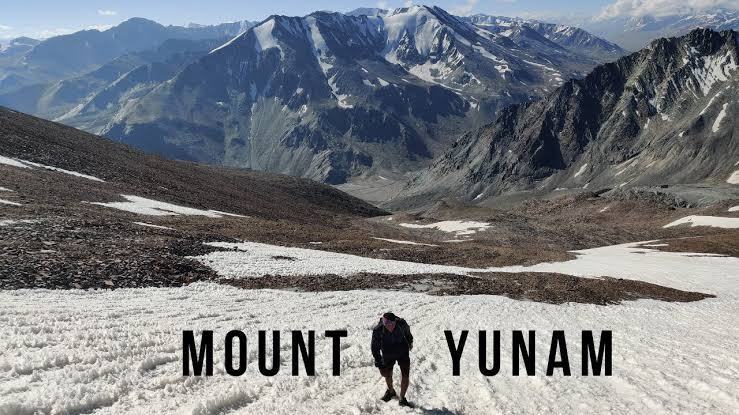
    Mountain Yunam is a non-technical peak for climbing. It is the highest peak in the Lahaul Valley near the Baralacha Pass at

    6100 m/20,008 ft

    .

    Destination:

    Lahaul District, Himachal Pradesh

    Location:

    Near Baralacha Pass in Lahaul Valley, The trek to the top of Mt. Yunam begins from the quaint village of Tangze, which is accessible from

    Manali

    through the Baralacha La Pass.

    Nearest City (Airport):

    Bhuntar (Kullu)

    Nearest City (Railway Station):

    Joginder Nagar

    Duration :

    10D/9N

    Also read – https://himachal.blog/palachan-valley-in-himachal-pradesh/

    The best time for Yunam Peak Expedition

    The best time to visit Yunam Peak is during the pre-monsoon and post-monsoon seasons when weather conditions are favorable for trekking and climbing. The recommended months are:

    Pre-Monsoon (Late May to Early June):

    • Clear skies and relatively stable weather.

    • Pleasant temperatures make trekking and climbing more comfortable.

    • Snow-covered landscapes add to the picturesque scenery.

    Post-Monsoon (September to October):

    • After the monsoon season, the weather becomes clear and dry.

    • The landscapes are lush green after the rains, providing a beautiful contrast.

    • Temperatures are moderate, allowing for a comfortable and enjoyable expedition.

    It’s crucial to avoid the winter months

    (November to April)

    due to heavy snowfall, harsh conditions, and increased avalanche risks. Additionally, monsoon months

    (July and August)

    bring unpredictable weather, heavy rainfall, and the potential for landslides, making it less favorable for trekking and climbing.

    Mt. Yunam: Discovering Fame, Adventure, Costs and Challenges

    Why Yunam Peak is Famous:

    The fame of Yunam Peak transcends its physical elevation. It is revered for its pristine beauty, untouched wilderness, and the sense of achievement that accompanies conquering its summit. Its magnetic charm draws adventurers seeking an authentic Himalayan experience.

    Adventure Awaits:

    Yunam Peak offers a playground for adventure enthusiasts:

    • Mountaineering: A challenging ascent awaits climbers, with technical sections that test skills and determination.

    • Photography: Capture panoramic views of the surrounding mountains, glaciers, and valleys, creating memories to last a lifetime.

    • Wildlife Exploration: Encounter diverse flora and fauna, adding an element of biodiversity to the adventure.

    Cost of Yunam Peak Expedition:

    Embarking on a journey to Mt. Yunam comes with an estimated cost of Rs. 35,000 per person.

    This all-inclusive package covers essentials like expert guides, meals, accommodations, travel, and more.

    For added convenience, consider exploring online options to hire full packages from seasoned experts, ensuring a seamless and well-organized expedition experience. With these comprehensive packages, you can travel without any worries, focusing solely on the thrill of the adventure that awaits.

    Difficulties to Reach the Peak:

    Yunam Peak doesn’t reveal its treasures easily, and reaching its summit presents challenges:

    • Altitude: Dealing with high altitudes and acclimatization.

    • Weather: Unpredictable mountain weather with sudden changes.

    • Technical Climbing: Negotiating steep and technical sections during the ascent.

    Yunam Peak’s Remarkable Records and Triumphs

    The World Record of An Individual Climbing the Highest Mountain by cycle has been Achieved By Pankaj Mehta Of Almora, Uttarakhand, India. He Climbed On Yunam Peak With A Cycle (Weighing 12 Kg) At The Altitude Of 6111 Meters In Himachal Pradesh On 23 August 2023 And Set A World Record For The Worldwide Book Of Records.

    Conclusion

    In conclusion, Yunam Peak stands as an emblem of nature’s grand design and human determination. Aspiring adventurers are invited to embrace the challenges, soak in history, and revel in the unparalleled beauty that Yunam Peak promises. The Yunam Peak Expedition may be demanding, but the rewards are nothing short of extraordinary—a summit that leaves an indelible mark on the heart and soul of every explorer.

  • Bir Billing Bliss: Soaring Heights of Adventure in Nature’s Embrace

    Bir Billing Bliss: Soaring Heights of Adventure in Nature’s Embrace

    To reach Bir Billing, fly into Gaggal Airport (68 km from Palampur) with frequent Delhi connections. Baijnath Paprola Railway Station links Kangra’s main cities. Access by road includes HRTC buses and private services from Gaggal (68 km), Dharamshala (50 km), Manali (180 km), Shimla (200 km), Chandigarh (280 km), and Delhi (500 km). Direct HRTC Volvo buses run from Bir to the Delhi Bus Stand. You may read more: https://himachal.blog/exploring-the-enchanting-beauty-of-spiti-valley-a-himalayan-adventure/

    5 things to do in Bir Billing

    1) Paragliding
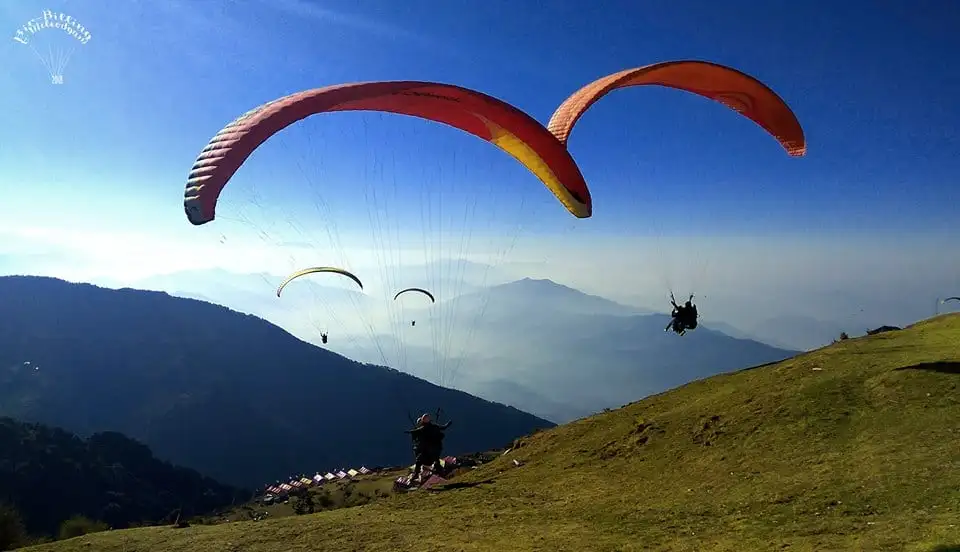
    India’s paragliding hub, Bir Billing, was honored to host the Paragliding World Cup 2015. One of the best activities in Bir Billing is paragliding. Every adventurer has a different experience landing in the plains of Bir after taking off from the hills of Billing. To preserve these amazing experiences for a lifetime, you can also choose to film while paragliding.
  • Best Timings: October to June
  • Price: Rs. 3000 per person
  • Duration: 15 to 20 minutes
  • 2. Camping Camping lovers come to Billing Hills, which is surrounded by peaceful countryside, to set up a tent and spend the night under a starry sky. Furthermore, the breathtaking view of Dhauladhar and other stunning Himalayan mountain ranges is another reason why every traveler would like to stay here. You can camp in two different ways: either set up your tent with permission or use a local campsite.

  • Best time to visit: March to June
  • Price: Starting at $1490 per person
  • 3. Bungee Jumping A fantastic way to experience adventure while visiting Bir Billing would be to go bungee jumping. Tiger Team Adventure’s bungee jumping spot is situated 3.4 kilometers from Bir on Salbak’s Bangura Falls Road. Every daredevil is challenged to confront their anxieties and experience floating in zero gravity with this 50-meter jump. Here, ziplining and sky cycling are available activities in addition to bungee jumping.

  • Price: Rs.2450/ Person
  • Best time to try: is October to March
  • 4. Bangor Falls Visiting Bangor Falls is among the most breathtaking activities available in Bir Billing. All visitors want to absorb the energy that the 4-6-foot passing cascade offers to the surroundings. There’s a short track that takes around an hour to hike to reach Bangura Falls. This waterfall is also a great spot for individuals or groups to go camping or have picnics.

  • Best time to Visit: May to October
  • Things to do: Enjoy Picnic, Camping, and Trekking
  • 5. Explore Bir You must be familiar with the local culture and civilization wherever you go as a visitor. A unique window into Tibet is provided by Bir’s Tibetan folk culture. Around Bir Market, there are numerous stores, cafes, eateries, hotels, and resorts. Tibetan culture dominates the market, and monks from that culture may be seen all around. This place has a wonderful and inspiring culture.

  • What to do: Shop for Souvenirs, clothes and mufflers
  • Cuisine: Tibetan and Himachali cuisine
  • In Conclusion Bir-Billing is an invitation to discover the peaceful living together of adventure, spirituality, and environment rather than merely a place to visit. Bir-Billing offers an experience that goes beyond the ordinary and leaves a lasting impression on everyone who visits, regardless of whether you’re looking for a peaceful getaway, an exhilarating adventure, or a cultural immersion.

  • Exploring the Tranquil Charms of McLeod Ganj

    Exploring the Tranquil Charms of McLeod Ganj

    History of McLeod Ganj

    McLeod Ganj Established as a British colonial hill station, it gained prominence with the arrival of Tibetan refugees, including the Dalai Lama, after the Tibetan uprising in 1959. The town became a significant center for Tibetan Buddhism and culture. Let’s delve into the enchanting details that make McLeod Ganj a must-visit destination.

    Step into the Famous Places of McLeod Ganj

    Explore the famous places where Tibetan whispers and Himalayan charm converge. Discover the essence of Little Lhasa in every corner, where culture, history, and breathtaking landscapes seamlessly intertwine. Tsuglagkhang Complex : Home to the Dalai Lama, this complex includes the Namgyal Monastery, Tsuglagkhang Temple, and the Tibet Museum. Bhagsunath Temple and Waterfall: A popular pilgrimage site with a beautiful waterfall, offering a serene atmosphere. Dharamshala Cricket Stadium: One of the highest international cricket stadiums with a picturesque backdrop of the Dhauladhar Range. St. John in the Wilderness Church: A historic church built in 1852, known for its neo-Gothic architecture.The church dates back to the British colonial era and is a serene place for reflection. Explore Dharamkot: A nearby village known for its alternative culture, yoga centers, and stunning views of the Himalayas. Check out our latest blog – https://himachal.blog/palachan-valley-in-himachal-pradesh/

    Explore the array of activities to do in McLeod Ganj

  • Trekking and Hiking: Explore the breathtaking landscapes surrounding McLeod Ganj through various trekking routes. Triund Trek is a popular choice for beginners, while more seasoned trekkers can venture into longer trails like the Kareri Lake trek or the Indrahar Pass trek.
  • Shopping: Visit the local markets for Tibetan handicrafts, jewelry, and traditional clothing.
  • Attend a Monastery Class: Some monasteries offer meditation and Buddhism classes for visitors interested in spiritual experiences.
  • Try Tibetan Cuisine: Indulge in momos, thukpa, and other Tibetan delicacies available in local eateries.
  • Tibetan Institute of Performing Arts (TIPA):Attend performances at TIPA to experience traditional Tibetan dance, music, and theater. The institute aims to promote and preserve Tibetan performing arts.
  • Do not miss the Culture

    McLeod Ganj offers a unique blend of Tibetan culture, natural beauty, and spiritual experiences, making it an ideal destination for diverse interests. Immerse yourself in the rich cultural tapestry woven by the people of McLeod Ganj, where Tibetan traditions and hospitality create a unique and warm atmosphere.

    Best Time to Visit

    The ideal times to visit are during the spring (March to June) and fall (September to November) for pleasant weather and vibrant landscapes. Duration of Stay: Plan a stay of 3 to 4 days to fully explore the main attractions and experience the tranquillity Mcleodganj offers. What to Bring: Pack warm clothing, comfortable footwear, rain gear, sunscreen, sunglasses, a power bank, a basic first aid kit, a reusable water bottle, a camera, and any necessary identification or travel documents.

    How to Reach:

    • By Air: The nearest airport is Gaggal Airport, around 15 kilometers away, with regular flights from major cities. • By Road: Mcleodganj is well-connected by road. Buses and taxis are available from Delhi and Chandigarh. • By Train: The nearest major railway station is Pathankot Junction, approximately 90 kilometers away.

    Embark on a journey to McLeod Ganj, where the convergence of nature, spirituality, and culture creates an unforgettable experience.One should visit this place for its captivating blend of natural beauty, spiritual ambiance, and rich cultural tapestry, offering a unique and rejuvenating experience.

  • Palachan Valley in Himachal Pradesh

    Palachan Valley in Himachal Pradesh

    How to Reach

    Reaching Palachan Valley involves a combination of road and trekking, given its remote location in the Himalayan region of Himachal Pradesh. Here’s a general guide on how to reach Palachan Valley: By Air: The nearest airport to Palachan Valley is Bhuntar Airport (Kullu-Manali Airport), which is approximately 60 kilometers away. From the airport, you can hire a taxi or take a bus to Aut, a town located on the Mandi-Kullu highway. By Road: From Aut It serves as a major junction on the Mandi-Kullu highway. Regular buses and taxis are available from Aut to Banjar, the nearest town to Palachan Valley. From Banjar: Banjar is a crucial point for further travel. You can hire a local taxi or use shared transportation to reach Gushaini, a village near Palachan Valley. Gushaini is the convergence point of the Palachan and Tirthan Rivers. Where to stay Given the cultural richness of the region, consider staying in a local homestay. It provides a comfortable stay and allows you to experience the traditional way of life in the Himalayas. Homestays are often run by local families and offer a more personalized experience. Tirthan Anglers Retreat is a charming resort, conveniently located just a five-minute stroll down the road from Barnagi. This lavish Homestay has standard double rooms, a restaurant, a garden, a kitchenette, a sun terrace, and a shared loungeas well.This hidden gem offers a cozy escape, providing a tranquil retreat for guests seeking a peaceful getaway in the heart of the valley.

    Best time to visit

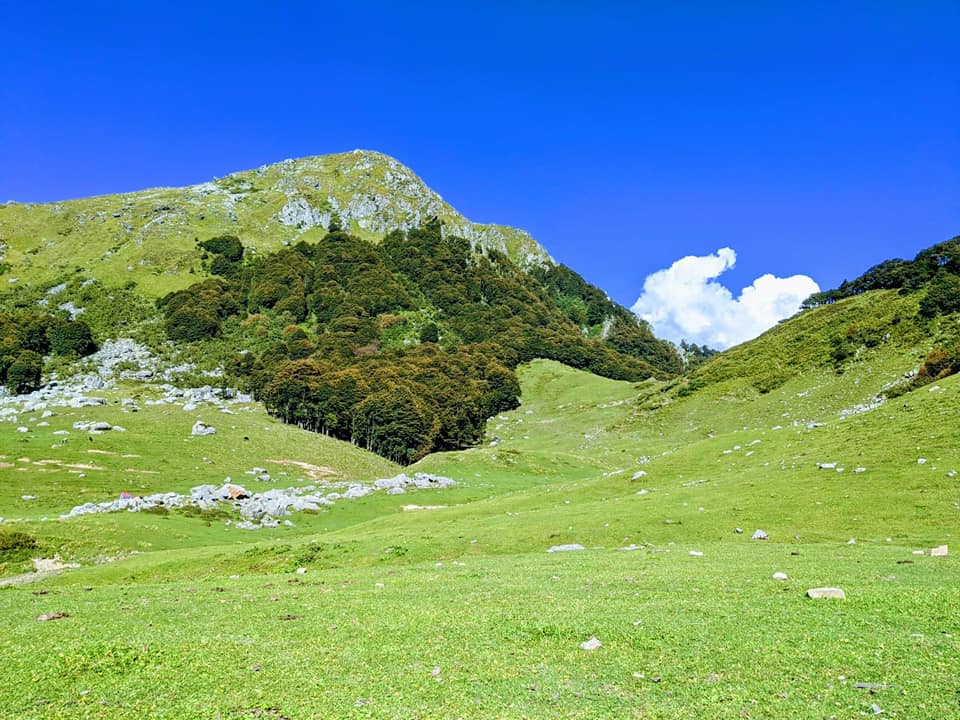
    Spring (March to May ) is one of the most pleasant times to visit Palachan Valley. The weather is mild, and the valley comes alive with blooming flowers and lush greenery.The temperature is comfortable for outdoor activities like trekking and hiking.

    Renowned aspect of Palachan Valley

    Palachan Valley is home to the Palachan River, which originates from the Tirath Glacier located in the heart of the Great Himalayan National Park, a UNESCO World Heritage Site. The valley is known by its diverse topography, featuring lush green meadows, dense forests, and the ever-present backdrop of towering snow-capped peaks. The Tirath Glacier, acting as the pristine source for both the Palachan and Tirthan Rivers, ensures that the valley remains a vital part of the region’s ecological balance.

    Flora and Fauna:

    The rich biodiversity of Palachan Valley adds another layer to its allure. The surrounding forests are home to a variety of flora and fauna, with numerous species of plants, flowers, and trees. The valley is a habitat for diverse wildlife, including rare and endangered species. Birdwatchers can delight in the presence of numerous avian species, adding a symphony of nature’s melodies to the tranquil ambiance. Check out this blog – https://himachal.blog/exploring-sainj-valley/

    Local Hamlets and Culture As the Palachan River meanders through the valley, it embraces several charming hamlets that add to the valley’s cultural richness. Galingcha, Mashiyar, Batahad, Barnagi, Sheel, and more dot the landscape, each with its unique charm and local traditions. The inhabitants of these hamlets, deeply connected to the land and its resources, contribute to the preservation of the valley’s natural harmony. The traditional lifestyle of the locals, their festivals, and their warm hospitality give an immersive cultural experience.

    Things to do here:

    1. Trekking – For adventure enthusiasts, Palachan Valley offers a plethora of trekking opportunities that showcase the region’s pristine beauty. Trekking trails lead through dense forests, across sparkling streams, and reveal panoramic views of the majestic Himalayan peaks. Palachan Valley serves as a gateway to the Great Himalayan National Park (GHNP), a UNESCO World Heritage Site.Several trekking trails originate from this region. Then Tirthan Valley Trek, Chhoie Waterfall are also some popular trekking destination in Palachan Valley. 2. Explore Tirath Glacier – For those seeking a more challenging adventure, consider embarking on a trek to the Tirath Glacier, the source of both the Palachan and Tirthan Rivers. This glacier, situated in the Great Himalayan National Park, provides a unique opportunity to witness the birthplace of these vital water bodies. 3. Bonfire and Barbecue Evenings: Wind down your day with cozy evenings around a bonfire at Tirthan Anglers Retreat, indulging in delicious barbecued trout and enjoying the chilly mountain atmosphere. 4. Fishing at Tirthan Anglers Retreat: Experience the thrill of fishing in the Palachan River, known for its abundance of trout. Tirthan Anglers Retreat offers a perfect setting for a relaxing day by the water. 5. Wildlife Watching – If the valley is known for its biodiversity, consider wildlife watching. This could include birds, mammals, or other unique species. 6. Adventure Activities – Depending on the geography of the valley, there might be opportunities for adventure activities like rock climbing, paragliding, or zip-lining. 7. Relaxation – Take some time to relax and enjoy the tranquility of the surroundings. This could involve sitting by a river, reading a book, or simply soaking in the natural beauty.

    Tirthan Valley Trek

    1. Starting Point and Connectivity: The trek usually begins in Tirthan Valley, a picturesque destination connected to Palachan. It is located at an altitude of 1600 meters above sea level. Tirthan Valley is accessible by road from major nearby towns and cities, making it convenient for trekkers to reach the starting point. 2. Trekking Routes: The trekking routes in Tirthan Valley may vary, offering options for trekkers with different skill levels.Common routes include paths that lead through dense forests, riverbanks, and charming hamlets, providing a diverse and immersive experience. 3. River Crossings: Tirthan Valley is traversed by the Tirthan River, and the trek may involve exciting river crossings. Trekkers navigate these river sections, adding an adventurous element to the journey. 4. Dense Forests: Trekkers can expect to trek through lush and dense forests, providing a cool and refreshing environment. The forested sections are often rich in biodiversity, offering glimpses of local flora and fauna. 5. Panoramic Mountain Views: One of the highlights of the Tirthan Valley Trek is the breathtaking panoramic views of the surrounding mountains. Trekkers are treated to stunning vistas of snow-capped peaks and expansive valleys, creating memorable moments. 6. Charming Hamlets: En route, trekkers may pass through quaint hamlets such as Galingcha, Mashiyar, Batahad, Barnagi, and Sheel. These settlements offer a chance to interact with the local culture and witness the traditional way of life. 7. Campsites: The trek provides opportunities for camping in scenic locations. Camping under the clear skies of Palachan adds a touch of adventure and allows trekkers to connect with nature. 8. Duration and Difficulty: The duration of the Tirthan Valley trek can vary depending on the specific route chosen and the itinerary planned by the trek organizers. The difficulty level of the Tirthan Valley trek is generally considered moderate to challenging. 9. Seasonal Considerations: The best time for the Tirthan Valley Trek is generally during the summer and post-monsoon months (May to October), when the weather is pleasant and the trails are accessible. 10. Local Guides: To enhance the trekking experience and ensure safety, it is advisable to hire local guides who are familiar with the terrain and can provide insights into the region’s culture.

    Confluence at Gushaini:

    The journey of the Palachan River reaches its climax as it merges with the Tirthan River at Gushaini . This confluence not only marks the culmination of the rivers’ journeys but also provides a breathtaking spectacle of nature’s forces at play. Gushaini, a picturesque village, becomes the point where the two rivers unite, offering visitors a serene setting. Here’s what makes the confluence at Gushaini noteworthy:

  • Meeting of Rivers:At Gushaini, the Palachan River, flowing from the Palachan Valley, converges with the Tirthan River. The confluence creates a scenic spectacle as the two rivers, each with its unique character, unite their waters. This natural phenomenon is not only visually stunning but also symbolizes the interconnectedness of the region’s water bodies.
  • Scenic Beauty:The confluence point is set against the backdrop of the towering Himalayan peaks and surrounded by lush greenery. The serene and tranquil ambiance adds to the overall beauty of the landscape, making it a captivating sight for visitors.
  • Cultural Significance:In addition to its natural beauty, Gushaini and its confluence point hold cultural significance for the local communities. The rivers are often considered sacred, and rituals and festivals may take place in the vicinity, adding a cultural layer to the natural landscape.
  • Starting Point for Exploration:Gushaini, being near the confluence, serves as a starting point for those looking to explore both Palachan and Tirthan Valleys. Treks, trails, and adventures often commence from this village, making it a hub for nature enthusiasts.
  • Conclusion: Palachan Valley in Himachal Pradesh with its untouched landscapes, cultural richness, and adventure opportunities, stands as a testament to the unparalleled beauty of Himachal Pradesh. As visitors explore its hidden trails and connect with the local way of life, they become part of an immersive experience beyond mere sightseeing, leaving an indelible mark on their memories of this pristine Himalayan jewel.