Shimla 14°C, clear Manali 8°C, light snow above 2400m NH3 Chandigarh–Manali: open, no restrictions HP govt jobs: new postings this week Dharamshala 12°C, overcast Apple mandi rate, Shimla: ₹68–82/kg Shimla 14°C, clear Manali 8°C, light snow above 2400m NH3 Chandigarh–Manali: open, no restrictions HP govt jobs: new postings this week Dharamshala 12°C, overcast Apple mandi rate, Shimla: ₹68–82/kg

Category: Travel

  • Sainj Valley: Himachal’s Best-Kept Secret

    Sainj Valley: Himachal’s Best-Kept Secret

    The Sainj Valley is part of the Great Himalayan National Park (GHNP), a UNESCO World Heritage Site known for its rich biodiversity and unique ecosystem. Visitors to Sainj Valley often engage in trekking expeditions within the Great Himalayan National Park, exploring its trails, and experiencing the wilderness. Best Time to Visit: The ideal time to visit Sainj Valley is during the summer months (April to June) and early autumn (September to November) when the weather is pleasant for outdoor activities.

    Reaching Sainj Valley in Himachal Pradesh involves travel planning, considering the valley’s location in the northern region of India. By Air: The nearest airport to Sainj Valley is the Bhuntar Airport (Kullu-Manali Airport), located approximately 50-60 kilometers away. From the airport, you can hire a taxi or take a bus to reach Sainj Valley. By Road: From Delhi: Sainj Valley is roughly around 500-550 kilometers from Delhi. You can drive or take a bus from Delhi to Aut, which is approximately 30 kilometers from Sainj Valley. From Aut, you can hire local transportation or a taxi to reach the valley. From Chandigarh: If traveling from Chandigarh, the distance is around 275-300 kilometers. You can take a bus or drive to reach Aut and proceed as mentioned above. By Train: There isn’t a direct railway station in Sainj Valley. The nearest railway station is Chandigarh Railway Station. From Chandigarh, you can take a bus or hire a taxi to reach Sainj Valley via the road route mentioned earlier.

    Places to visit in Sainj Valley:

    1. Great Himalayan National Park (GHNP): This UNESCO World Heritage Site is the main attraction in the region. It’s known for its diverse flora and fauna, trekking trails, and stunning natural beauty.Explore its rich biodiversity and scenic beauty. 2. Shangarh: A serene village in the valley offering mesmerizing views of the Himalayas. It’s an excellent spot for nature lovers, with apple orchards, lush landscapes, and opportunities for trekking and camping. 3. Chehni Kothi: This ancient tower is an architectural marvel and a historical site. It’s known for its unique design and offers panoramic views of the surrounding valleys and mountains. 4. Sainj Wildlife Sanctuary : Explore this sanctuary to witness diverse wildlife, including various species of birds and animals. It’s a great place for nature enthusiasts and wildlife photographers. 5. Raktisar Lake: A picturesque alpine lake located in the vicinity of Sainj Valley. The Raktisar Lake trek offers beautiful scenery and a tranquil ambiance amidst the mountains. 6. Tirthan Valley: While slightly adjacent to Sainj Valley, Tirthan Valley is a nearby gem known for its stunning landscapes, trout fishing, and trekking trails. It’s worth exploring if you’re in the vicinity. 7. Larji Dam and Lake: Situated near Sainj Valley, Larji Dam offers a serene reservoir surrounded by scenic landscapes. It’s a beautiful spot for picnics and enjoying the views. You may also read this blog – https://himachal.blog/spiti-valley-itinerary-5-days/

    Explore the top activities to enjoy in Sainj Valley:

  • Trekking: Explore the diverse trails within the Great Himalayan National Park. Choose from various treks offering different difficulty levels and stunning vistas. Raktisar Trek, Shilt Hut Trek, and Bahu Village Trek are among the popular options.
  • Wildlife Spotting: Discover the rich biodiversity of the region by observing diverse flora and fauna. The GHNP is home to rare Himalayan species like the elusive snow leopard, Himalayan tahr, musk deer, and vibrant birdlife.
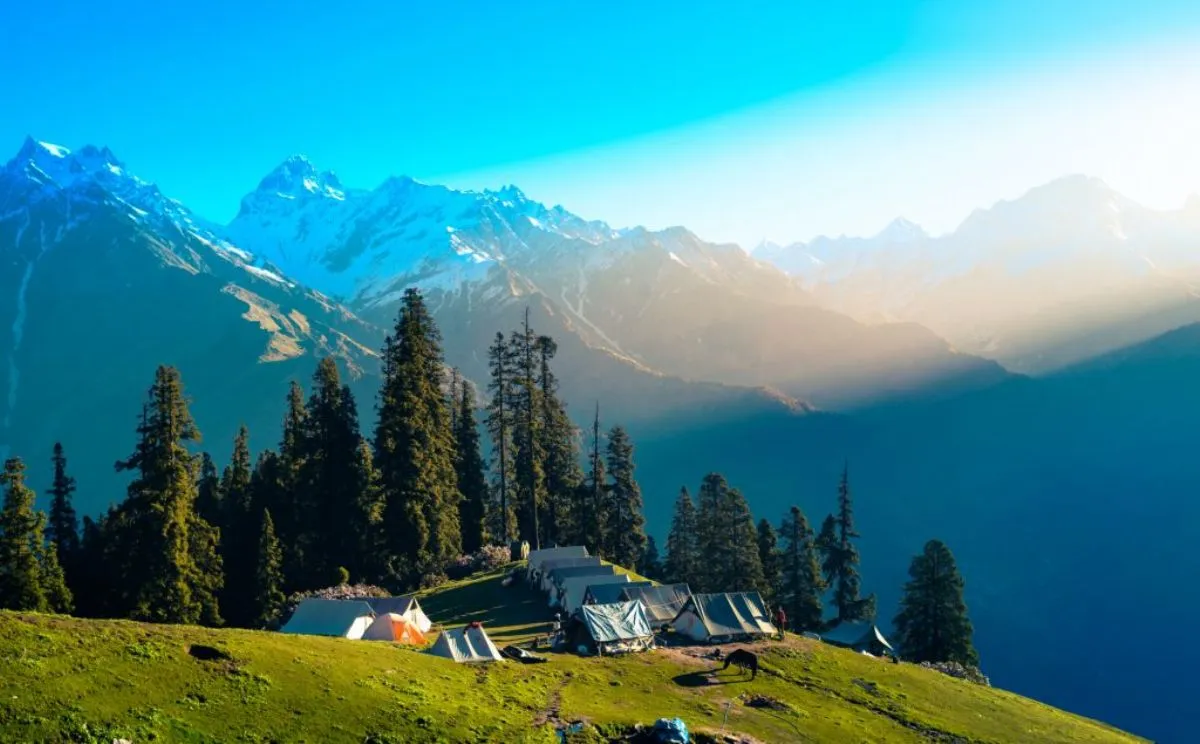
  • Camping: Embrace the tranquility of the valley by camping amidst nature. Select serene spots to pitch a tent and experience the pristine surroundings under starry skies.
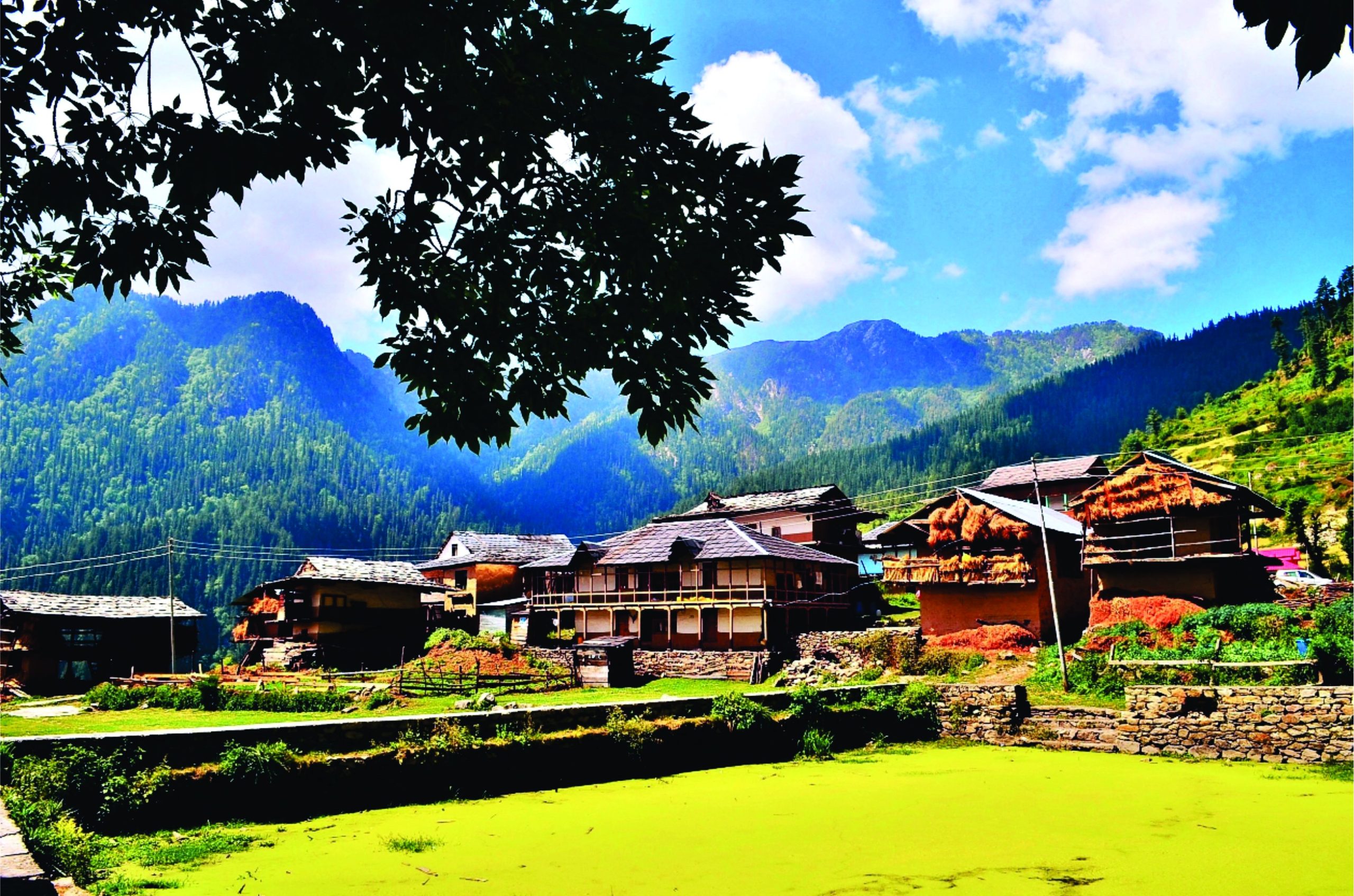
  • Village Visits: Immerse yourself in local culture by visiting nearby villages. Engage with villagers, learn about traditional customs, and experience the warmth of Himalayan hospitality.
  • Nature Walks and Picnics: Stroll along scenic trails or indulge in a peaceful picnic amidst the natural beauty. Enjoy the fresh mountain air and serene surroundings.
  • Adventure Sports: Engage in thrilling activities like river rafting (if available and permitted), paragliding, or other adventure sports in the vicinity.
  • Fishing: Spend a relaxing time fishing in the Sainj River. The river’s serene environment provides an ideal setting for anglers to enjoy their favorite pastime.
  • Sainj Valley, with its untouched natural splendor and opportunities for adventure and cultural immersion, offers a memorable experience for travelers seeking tranquility amidst the Himalayas’ grandeur.
  • Spiti Valley itinerary 5 days : Explore Spiti Valley’s Majesty

    Spiti Valley itinerary 5 days : Explore Spiti Valley’s Majesty

    The best time to visit

    For a safe and serene trip amidst the lush greenery and vibrant hues of Spiti Valley, the best times to visit are during June, early July, and September. These months offer pleasant weather, making it ideal for exploring the region without extreme conditions. However, for those seeking adventure and the breathtaking sight of heavy snow, February and March present an exhilarating opportunity. It’s important to note that visiting Spiti Valley during winter months, particularly in February and March, offers stunning snowy landscapes. Yet, it comes with challenges. Life in Spiti during winter is notably tough as water freezes, causing issues with running water, and reliance on stored water in containers becomes necessary. This situation entails a different experience where travelers need to adapt to the harsh winter conditions and limited amenities.

    Spiti Valley itinerary 5 Days

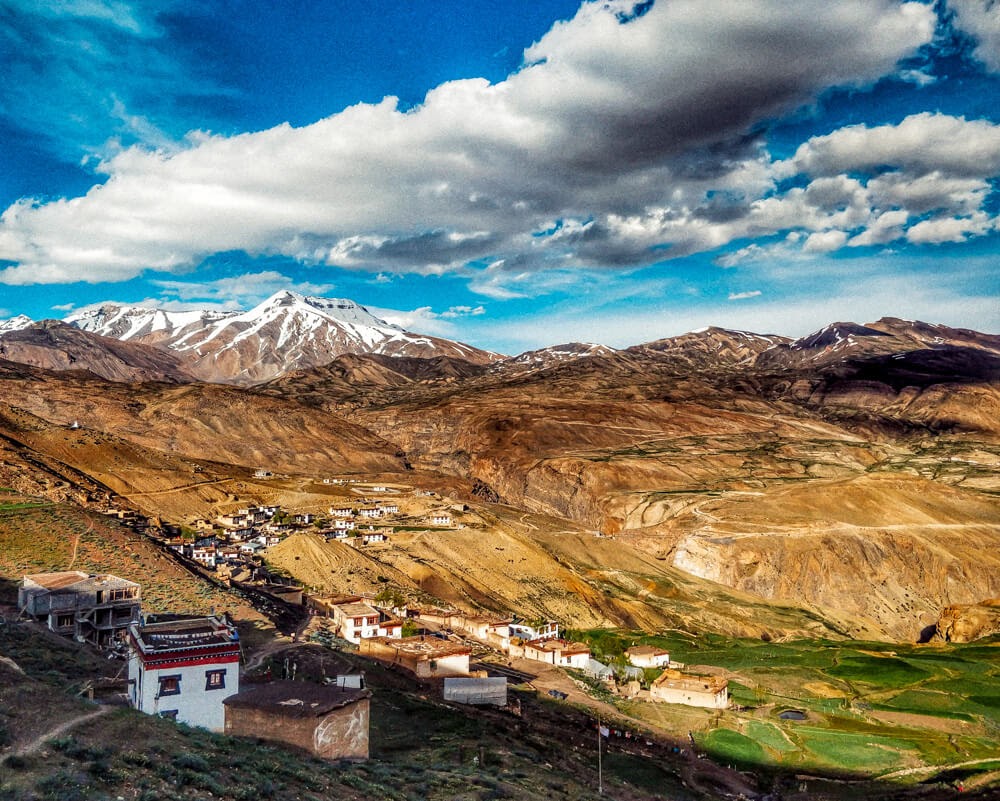
    Here’s the suggested itinerary: Day 1: Shimla/Kinnaur to Reckong Peo Start your journey from Shimla or Kinnaur towards Reckong Peo, a town in the Kinnaur district and the administrative center. It’s a scenic drive through the Kinnaur Valley. Visit Kalpa, a picturesque village known for its apple orchards and mesmerizing views of the Kinner Kailash range.Explore Reckong Peo in the evening, visit the local market and chill.

    Day 2: Reckong Peo to Tabo Head towards Tabo next day, a small town famous for its ancient Tabo Monastery, often called the “Ajanta of the Himalayas” due to its exquisite frescoes and murals. En route, visit Nako village and Nako Lake. Nako offers stunning views of the surrounding mountains and is known for its serene ambiance. Arrive at Tabo and explore the Tabo Monastery and nearby caves.

    Day 3: Tabo to Kaza Depart for Kaza, the largest town in Spiti Valley. En route, visit Dhankar Monastery, perched on a cliff offering panoramic views of the Spiti Valley. Stop at Pin Valley National Park, known for its wildlife and beautiful landscape. Reach Kaza and explore the town. Visit the local market and spend the evening at leisure. Also read – https://himachal.blog/why-en-tour-to-spiti-valley/

    Day 4: Kaza – Key Monastery – Kibber – Hikkim – Langza – Kaza On day 4 visit Key Monastery, one of the most important and iconic monasteries in Spiti. Explore its architecture, and Buddhist scriptures, and enjoy the panoramic views. Head to Kibber Village, one of the highest inhabited villages in the world. Explore the village and interact with locals. Visit Hikkim, known for having the world’s highest post office, and Langza, famous for its Buddha statue and fossil hunting.Return to Kaza for an overnight stay.

    Day 5: Kaza to Chandratal Lake and return to Manali Depart early from Kaza toward Manali. En route, visit the stunning Kunzum Pass, offering breathtaking views of the valleys. Stop at Chandratal Lake if time permits. It’s a high-altitude lake known for its pristine beauty. Continue the journey to Manali, passing through the picturesque Rohtang Pass. Reach Manali by evening, concluding your Spiti Valley expedition.

    Acute Mountain Sickness In Spiti Valley

    Mountain sickness stemming from decreased air pressure and oxygen levels at higher altitudes, is the mildest and frequently encountered form of altitude sickness. Its symptoms encompass disrupted sleep, dizziness, fatigue, headaches, diminished appetite, nausea or vomiting, a rapid heartbeat, and breathlessness.

    How to handle it :

  • Prioritize adequate rest for your body while traveling, and it’s essential to refrain from spending a night at a location where symptoms of AMS are prevalent. Should you start experiencing these symptoms, it’s crucial to halt your journey promptly rather than progressing to higher altitudes.
  • While driving through the chilly climate of Spiti, refrain from using the car heater extensively. If you choose to use it, avoid keeping it at maximum blower as this may induce symptoms of Acute Mountain Sickness (AMS) due to the confined space inside the car.
  • Maintain a relaxed state, opt for slow-paced walking, and avoid unnecessary strenuous activities that may cause breathlessness or undue exhaustion.
  • Stay adequately hydrated by consuming ample water and a carbohydrate-rich diet while avoiding over-hydration. Don’t force drinking on yourself or others, particularly children, as it can lead to vomiting. Avoid heavy, fatty, or junk foods, and opt for small, easily digestible meals.
  • Key Considerations for a Safe Road Trip

    1. Vehicle Maintenance: Regularly service your vehicle and check essentials like brakes, tires, fluids, lights, and wipers before hitting the road. 2. Emergency Kit: Carry an emergency kit with essentials like a first aid kit, flashlight, tools, spare tire, jumper cables, and necessary medications. 3. Plan Your Route: Map out your route in advance, considering road conditions, potential construction, and weather forecasts. Have alternative routes in mind. 4. Rest Stops: Take regular breaks to avoid fatigue. Aim to stop every 2 hours or 100 miles to stretch, rest, and stay refreshed. 5. Permit Requirements : Some areas in Spiti Valley might require permits, especially if you’re a foreign national. Obtain the necessary permits in advance to avoid any complications during the trip. 6. Weather Preparedness: Be ready for various weather conditions by packing appropriate clothing, blankets, and supplies in case of unexpected delays.

    This is a concise 5-day trip plan to Spiti Valley, highlighting key attractions and a strategic plan to explore this remote and captivating region. Each day in this beautiful place unfolds a new chapter in this land where time seems to pause, offering an escape to raw, untamed beauty that etches itself into the hearts of wanderers seeking the extraordinary.

  • Chitkul: The Enchanting Last Village in the Himalayas

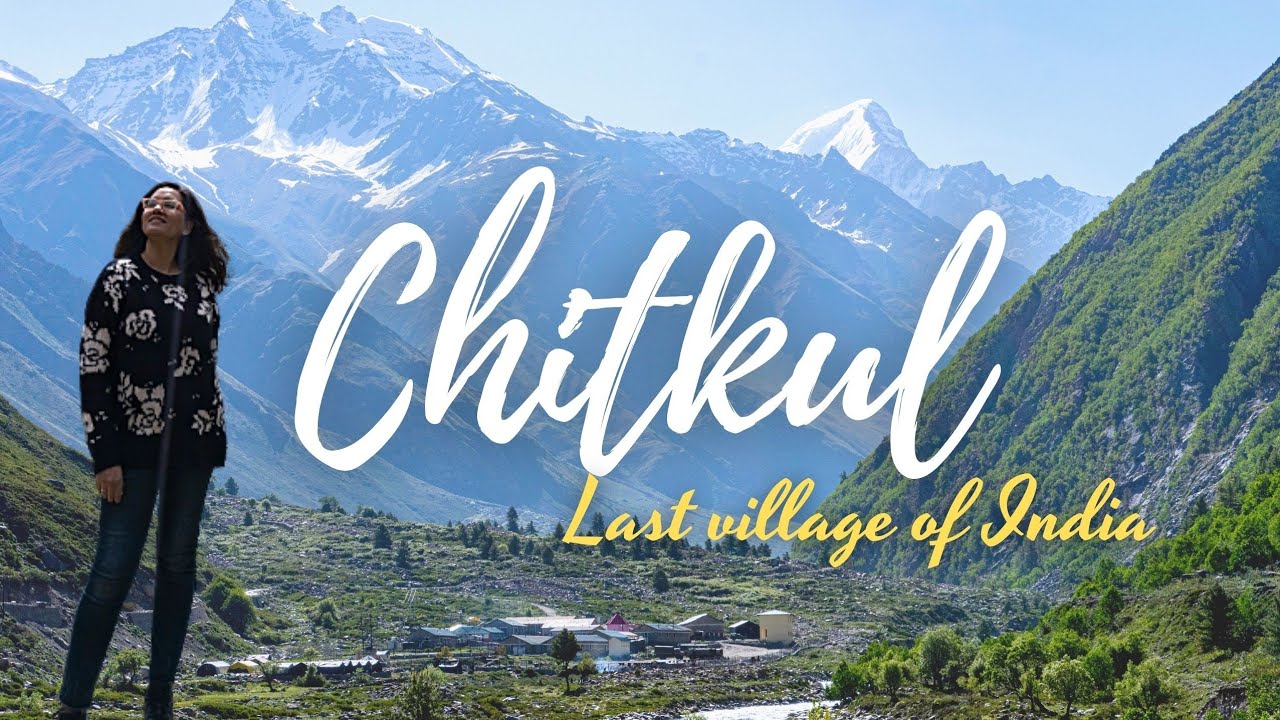
    Chitkul: The Enchanting Last Village in the Himalayas

    Best Time to Visit

    The village faces severe winters marked by heavy snowfall, which makes it inaccessible for several months. Therefore the best time to visit here is during the summer months spanning from May to October when the weather is more agreeable, and the roads are accessible for travel.

    How to Reach:

    By Air: The nearest airport to Chitkul is Shimla Airport (also known as Jubbarhatti Airport), located approximately 250 kilometers away. From the airport, you can hire a taxi or use local buses to travel to Chitkul. By Train: The nearest railway station is Kalka Railway Station, which is well-connected to major cities like Delhi and Chandigarh. From Kalka, you can hire a taxi or take a bus to Shimla and then proceed to Chitkul by road. By Road: From Shimla: Chitkul lies roughly 250 kilometers away from Shimla. The journey from Shimla to Chitkul entails driving along NH5 and NH505, passing through towns like Rampur, Sarahan, and Sangla, and eventually arriving at Chitkul. From Chandigarh/Delhi: Travelers from Chandigarh or Delhi can embark on a road trip to Chitkul. The route includes passing through Shimla or Rampur, then proceeding towards Kinnaur and Sangla Valley to reach Chitkul. Local Buses and Taxis: Scheduled buses operate routinely between Shimla and Reckong Peo within the Kinnaur district. Upon reaching Reckong Peo, travelers can access local buses or opt for hired taxis to journey onwards to Chitkul. Additionally, shared taxis or private cab services are accessible from Sangla for transportation to Chitkul.

    Why Visit Chitkul?

    1. Pristine Natural Beauty:

  • Scenic Landscapes: Chitkul boasts breathtaking views of the Himalayan ranges, snow-capped peaks, lush green valleys, and the pristine Baspa River, creating an awe-inspiring natural setting.
  • Serene Environment: Amidst the tranquility far removed from the urban rush, Chitkul offers a peaceful atmosphere, ideal for unwinding and finding solace in nature’s embrace.
  • 2. Unique Cultural Experience:
  • Kinnauri Culture: Delve into the vibrant culture and traditions of the Kinnauri community. Discover their unique architecture, experience local festivals, savor their cuisine, and engage with the friendly and hospitable villagers.
  • Traditional Lifestyle: Experience the captivating lifestyle of villagers as they tend to agriculture, nurture apple orchards, and diligently uphold their timeless customs.
  • Hospitality and Accommodation: Accommodation choices in Chitkul are limited, encompassing guesthouses, homestays, and campsites. Travelers looking for an unconventional and rustic experience can opt for these lodgings, often run by local families, to immerse themselves in the authentic essence of the region.
  • Check out our latest blog – https://himachal.blog/triund-where-every-step-leads-to-a-spectacular-view/

    3. Adventure and Exploration:

  • Trekking Hub: Chitkul is a starting point for various trekking routes, presenting adventure enthusiasts with chances for trekking, hiking, and discovering challenging terrains and high-altitude panoramas.
  • Offbeat Destination: Being a lesser-known destination, Chitkul offers an authentic and off-the-beaten-path travel experience. Away from commercialization, it allows travelers to deeply connect with nature and the local way of life.
  • 4. Stargazing and Nature’s Splendor:
  • Baspa River and Scenic Walks: You can enjoy walks by the Baspa River, relishing the picturesque views and peaceful ambiance.
  • Apple Orchards: Explore the apple orchards and witness the process of apple cultivation, known for producing some of the finest apples in Himachal Pradesh.
  • Starry Nights: Indulge in mesmerizing stargazing sessions due to the minimal light pollution, offering a chance to witness the beauty of clear night skies.
  • The calmness of the Himalayas: Chitkul provides a tranquil retreat nestled in the embrace of the Himalayas, enabling visitors to disconnect from the chaos of everyday life and reconnect deeply with nature.
  • 5. Chitkul Monastery ( Mathi Temple ): The Chitkul Monastery, also known as Mathi Temple, is a respected site. This ancient temple is dedicated to the local goddess, Mathi Devi who is revered as the goddess who safeguards the village and its inhabitants. Chitkul serves as the epicenter for numerous festivals and religious ceremonies. Events like ‘Fulaich’ and ‘Saazo’ witness elaborate rituals and cultural performances, drawing both locals and visitors to partake in these vibrant celebrations.

    Here are some famous places and attractions near Chitkul:

    a) Sangla Valley: Sangla Valley, located around 20 kilometers from Chitkul is known for its scenic beauty, apple orchards, and the Baspa River. b) Rakcham: A village close to Chitkul, Rakcham is known for its natural beauty, offering serene landscapes, lush green meadows, and trekking opportunities. c) Kamru Fort: Kamru Fort is an ancient fort with unique architectural features. It has a temple devoted to Kamakshi Devi, which presents breathtaking panoramic vistas of the surrounding valleys. d) Batseri Village: Close to Sangla, the small village of Batseri is renowned for its traditional dwellings, indigenous handicrafts, and an opportunity to observe the authentic lifestyle of its inhabitants. e) Raksham Village: Raksham is a charming quaint village renowned for its apple orchards and acts as the commencement point for several trekking paths. f) Nagtibba Village: This village offers splendid views of the Kinnaur Kailash range and is an ideal spot for nature enthusiasts and photographers. g) Hike to Baspa River: One should go on the trek from Chitkul to the Baspa River offers scenic views and a chance to explore the natural beauty of the region.

    Important Considerations:

  • Accessing Chitkul involves navigating steep inclines, narrow pathways, and several hairpin bends, necessitating drivers with experience in handling mountainous terrain. Before your trip, it is recommended to verify road conditions and review weather forecasts, especially in winter when substantial snowfall could render the route inaccessible.
  • Adhere to the local culture, customs, and environment, playing a part in conserving the purity of this destination.
  • Conclusion

    Exploring Chitkul presents a chance to discover an unspoiled treasure within the Himalayas, showcasing a harmonious mix of natural allure, cultural vibrancy, and an unconventional travel encounter. This unique experience leaves an indelible mark on travelers looking for authenticity and tranquility in their destinations. With its pristine natural beauty, serene ambiance, and unique cultural charm, attracts nature enthusiasts, and travelers looking to explore remote and less-trodden destinations in the Himalayas.

  • Triund: Where Every Step Leads to Spectacular View

    Triund: Where Every Step Leads to Spectacular View

    Introduction

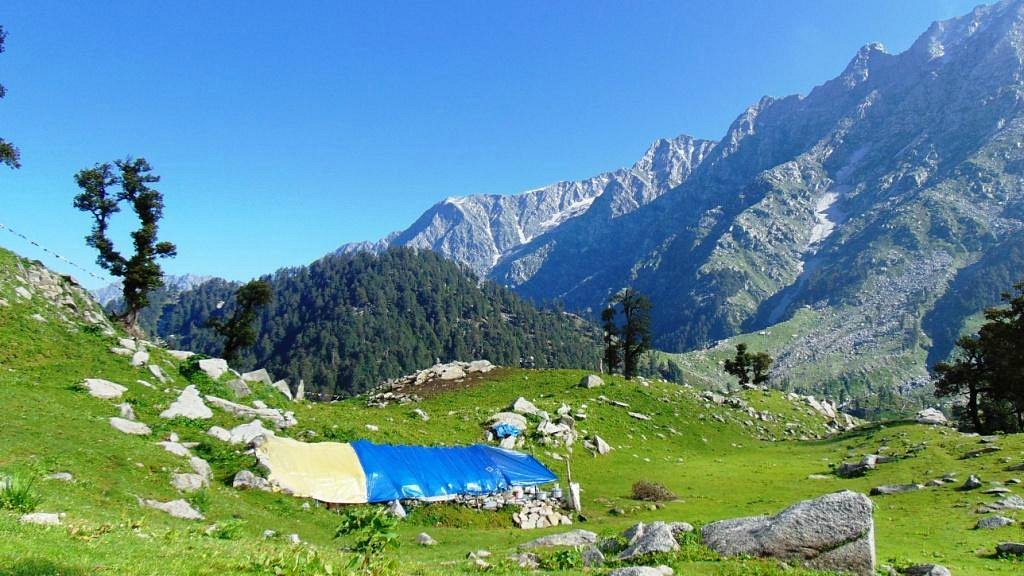
    The Trekking Trail The journey to Triund begins from the enchanting town of McLeod Ganj, a serene suburb of Dharamshala and the spiritual home of the 14th Dalai Lama. The trek is approximately 9 kilometers in length, winding through a lush landscape of emerald-green hills and dense pine forests. Trekkers can expect the journey to take around 4-6 hours, depending on their pace and fitness level.

    The Path Less Travelled As you ascend, the trail unveils breathtaking vistas of the Kangra Valley below, providing ample opportunities to pause, reflect, and absorb the natural beauty that surrounds you. The invigorating mountain air and the soothing sounds of nature create a serene atmosphere that is bound to captivate your senses.

    The Enchanted Meadow Upon reaching the top of Triund, trekkers are greeted by an expansive alpine meadow, reminiscent of a scene from a fairy tale. This verdant pasture serves as a perfect spot for setting up camp and offers unobstructed views of the towering Dhauladhar peaks. As night falls, the meadow transforms into a celestial canvas, inviting stargazers to marvel at the brilliance of the night sky. You can also check out this blog – https://himachal.blog/barot-valley-hidden-gem-of-himachal-pradesh/

    Facilities and Amenities Triund offers basic amenities to ensure trekkers have a comfortable experience. Small food stalls and shops provide essential supplies, such as snacks, hot beverages, and basic camping equipment. However, it’s recommended to carry your own provisions, especially if you plan on camping overnight.

    Here are some notable places to visit in Triund and its vicinity:

  • Triund Hill: The main attraction itself, Triund Hill offers panoramic views of the Dhauladhar mountain range and the Kangra Valley. The meadow at the top is an excellent spot for picnics and stargazing.
  • Snowline: Around 2 kilometers further from Triund, Snowline is another picturesque destination. It is called so because of the snow-covered terrain, especially in the winter months. The walk to Snowline offers stunning vistas.
  • Laka Glacier: A bit more challenging than the Triund trek, the Laka Glacier is a sight to behold. It’s an adventure for those seeking a longer trek and an opportunity to witness a pristine Himalayan glacier.
  • Bhagsu Waterfall: Located near Bhagsu Village, a short drive from McLeod Ganj, the Bhagsu waterfall is a scenic spot. The falls cascade down the rocky terrain amidst lush greenery, offering a refreshing sight.
  • Dal Lake: Not to be confused with the more famous Dal Lake in Srinagar, this Dal Lake is a serene spot located a short drive from Triund. It’s a small, beautiful lake surrounded by deodar trees.
  • Conclusion

    Triund is more than just a trekking destination; it is an invitation to reconnect with nature in its purest form. Whether you’re an avid trekker seeking adventure or a nature enthusiast yearning for tranquility, Triund offers an experience that will leave an indelible mark on your soul. The mesmerizing landscapes, the crisp mountain air, and the warm hospitality of the locals make Triund a Himalayan gem that should be on every traveler’s bucket list. So, lace up your hiking boots, embark on this unforgettable journey, and let Triund weave its magic on you.

  • Barot Valley: Hidden Gem Of Himachal Pradesh

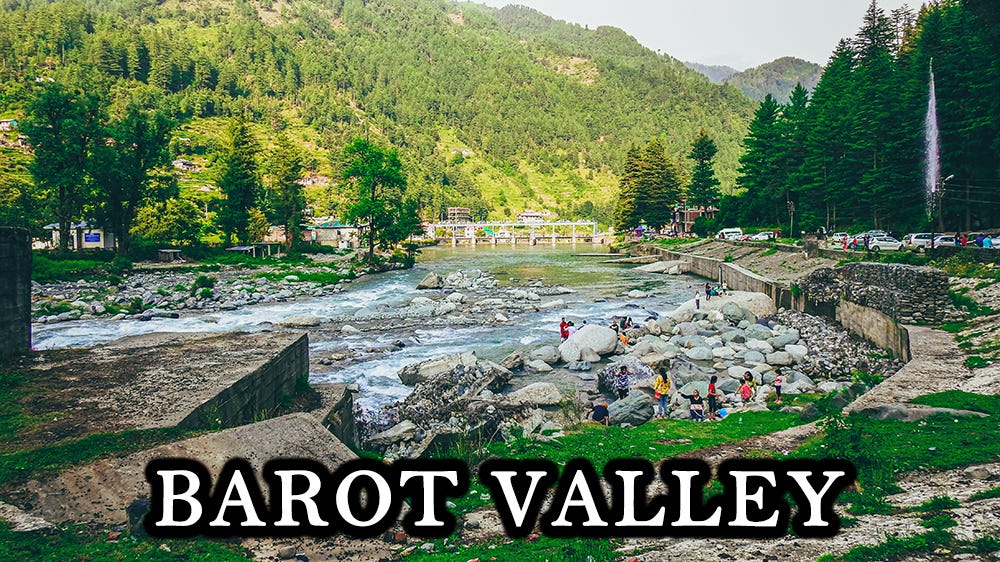
    Barot Valley: Hidden Gem Of Himachal Pradesh

    Best Time to Visit:

    The best time to visit Barot is during the summer months (April to June) when the weather is pleasant. However, if you’re a fan of snow, visiting in the winter months (December to February) can be a magical experience.

    Finest Attractions in and around Barot Valley:

    1. Barot Dam

    This reservoir on the Uhl River is a picturesque spot offering stunning views and a peaceful ambiance. Visitors can enjoy a leisurely walk around the dam and soak in the surrounding natural beauty.

    2. Trekking and Camping

    Barot Valley is a hub for trekkers and adventure enthusiasts. Popular treks include the trek to Bada Bhangal, Bara Bhangal, and Luhardi. Camping alongside the Uhl River or amidst the pine forests is a delightful experience for nature lovers.

    3. Nargu Wildlife Sanctuary

    This sanctuary, located near Barot, is home to various species of flora and fauna. You may come across species like the Himalayan Monal, Ghoral, and Black Bear.It is known for its rich biodiversity and stunning natural landscapes.

    4. Rajgundha Valley

    This beautiful valley, accessible by a trek from Barot, offers breathtaking vistas of lush green landscapes, meadows, and stunning views of the Himalayas.

    5. Hiking to Barot Village

    Take a hike to explore the charming Barot village, interact with the locals, and experience the local way of life amidst the Himalayan backdrop.

    6. Tashi Jong Monastery

    This monastery, a bit farther away from Barot, is a serene and culturally significant place. Visitors can experience the peaceful ambiance, learn about Tibetan Buddhism, and admire the intricate architecture. You may also read this – https://himachal.blog/brighu-lake-a-precious-gem-in-the-himalayas/

    7. Fishing Paradise

    The Uhi River is renowned for its trout fishing. Anglers can try their hand at catching these prized fish while enjoying the tranquil surroundings.

    8. Paragliding in Bir Billing

    Located nearby, Bir Billing is a global destination for paragliding. Visitors can experience the thrill of flying over the beautiful Kangra Valley.The combination of stunning scenery, experienced pilots, and excellent flying conditions make it a must-visit destination for anyone looking to soar high in the Himalayan skies.

    10. Friendly Locals

    The inhabitants of Barot are warm and welcoming. Interacting with the locals provides insights into their culture and way of life.The lifestyle in Barot is relatively uncomplicated, and the locals take pride in their simple and peaceful way of life. They are happy to share their experiences with visitors.

    10. All-Year Destination

    Barot is a year-round destination. While summers offer pleasant weather and green landscapes, winters transform the valley into a snow-covered wonderland, making it a perfect destination for snow enthusiasts.

    Always Remember to respect the local environment and culture during your visit. Barot Valley is an excellent destination for those seeking a peaceful retreat amidst nature, away from the hustle and bustle of popular tourist spots.

  • Bhrigu Lake : A Precious Gem in the Himalayas

    Bhrigu Lake : A Precious Gem in the Himalayas

  • Best Time to Visit

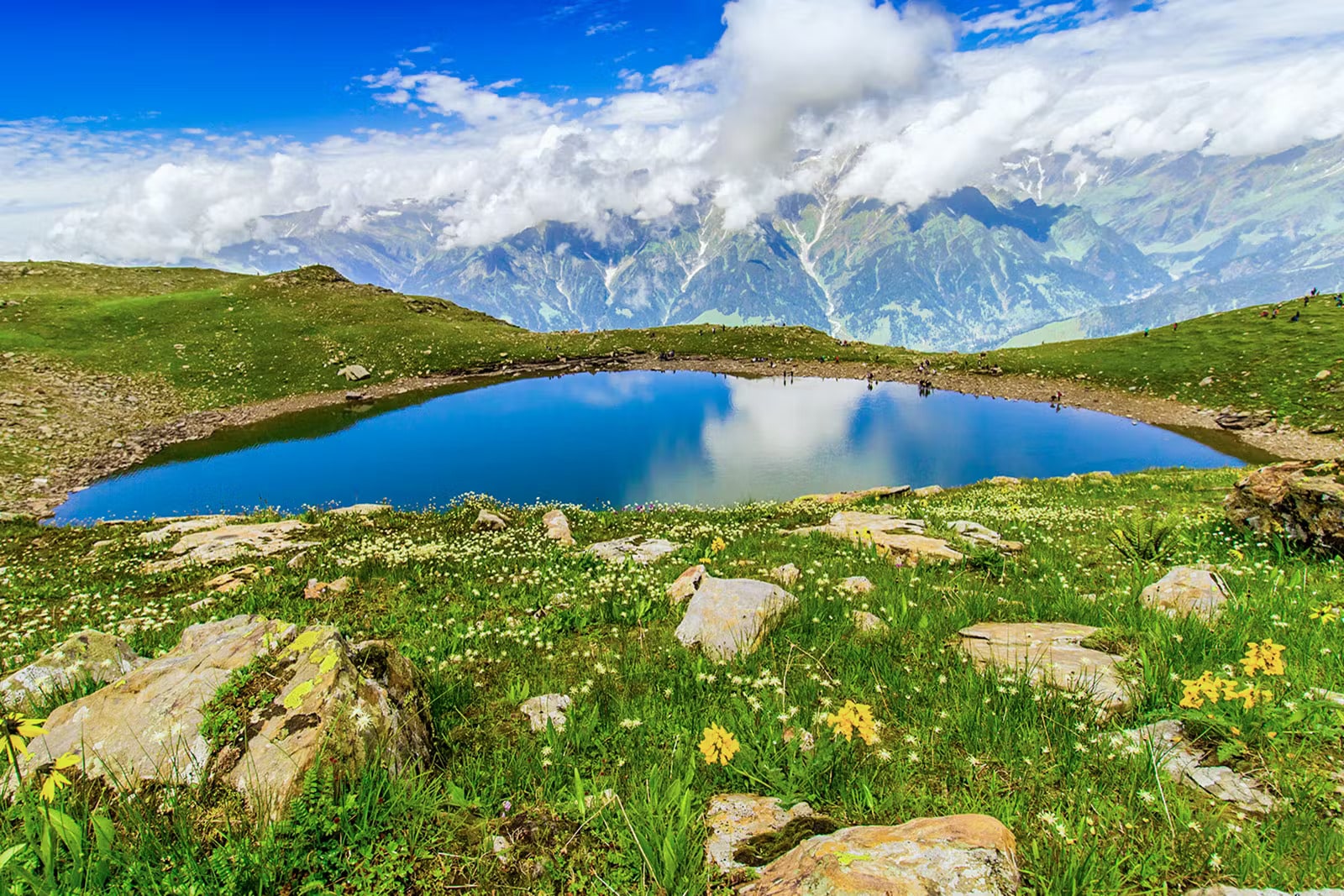
  • The ideal time to embark on the Bhrigu Lake trek is during late spring and early summer, typically from late May to early July. This brief window showcases nature’s grandeur at its finest, as the receding snow reveals an explosion of alpine flora in vibrant hues.

  • Trekking to the Jewel

  • To reach Bhrigu Lake, one embarks on a trek that is both exhilarating and awe-inspiring. The journey commences from Gulaba, a picturesque village known for its enchanting meadows. As trekkers ascend, the trail unveils a breathtaking panorama of the Deo Tibba and Hanuman Tibba peaks, shrouded in perpetual snow. The terrain transforms from lush forests to rocky landscapes, painting a vivid tapestry of natural beauty.

  • Scenic Beauty

  • The breathtaking vistas surrounding Bhrigu Lake are a major draw. The lake is cradled amidst a natural amphitheater of snow-capped peaks, lush meadows, and dense alpine forests. This stunning backdrop creates an awe-inspiring visual spectacle that captures the hearts of visitors.

  • Mythical Significance

  • Legend has it that Rishi Bhrigu

    , one of the seven great sages (Saptarishis) in Hindu mythology, meditated by the shores of this sacred lake. It’s said that his deep spiritual practices bestowed divine blessings upon this place, ensuring that the lake never succumbs entirely to the grip of winter’s icy embrace. This mythic connection infuses Bhrigu Lake with an aura of mysticism that lures seekers and devotees alike.

  • Flora and Fauna

  • The region surrounding Bhrigu Lake boasts a rich biodiversity. Alpine flowers carpet the meadows, painting the landscape with a kaleidoscope of colors. Lucky trekkers may spot the resplendent Himalayan monal, a pheasant known for its brilliant plumage, or encounter the playful antics of marmots, adding a touch of wildlife to the journey.

  • Magnetic Mystery

  • One of the most intriguing facets of Bhrigu Lake is its purported magnetic pull. Locals and trekkers alike share tales of compasses behaving erratically in the vicinity of the lake. While science may seek to explain this phenomenon, the magnetic mystique of Bhrigu Lake remains a captivating mystery.

    You may also read this blog – https://himachal.blog/10-interesting-facts-about-himachal-pradesh/

  • Campsites and Beyond

  • The vicinity of Bhrigu Lake offers several excellent campsites. Spending a night under the vast, star-studded Himalayan sky is an experience that lingers long in memory. The trek also leads to the village of Vashisht, renowned for its natural hot springs. Here, one can soak in the healing waters and gain insight into the rhythms of local life.

  • Wildlife Sightings

  • The region around Bhrigu Lake is home to a variety of wildlife. Lucky trekkers may encounter the elusive Himalayan monal, a bird known for its striking plumage. Additionally, marmots, with their curious and playful nature, often make appearances along the trekking route.

    Conclusion

    Bhrigu Lake is not just a destination; it is an experience that leaves an indelible mark on the hearts of those who venture here. Surrounded by natural beauty and steeped in legend, this Himalayan gem is a must-visit for anyone seeking adventure, spiritual solace, and a rendezvous with the mountains.

    Plan your trek to Bhrigu Lake, and let the mountains weave their magic on your soul. It’s an adventure that promises memories for a lifetime.

  • Paonta Sahib: A Pilgrim’s Paradise

    Paonta Sahib: A Pilgrim’s Paradise

    How to reach :

    By Air:

  • Nearest Airport: The nearest airport to Ponta Sahib is the Dehradun Airport (Jolly Grant Airport) in Uttarakhand, which is approximately 80 kilometers away.
  • From Dehradun Airport to Ponta Sahib:You can hire a taxi or take a shared cab from the airport. It’s about a 2-3 hour drive, depending on traffic conditions.
  • By Train:
  • Nearest Railway Station: The nearest major railway station is the Dehradun Railway Station, which is approximately 68 kilometers away from Ponta Sahib.
  • From Dehradun Railway Station to Ponta Sahib: You can hire a taxi or take a shared cab from the railway station. The journey will take about 2-3 hours.
  • By Road:
  • From Delhi to Ponta Sahib: Ponta Sahib is about 300 kilometers away from Delhi, and the journey takes around 7-8 hours by road, depending on traffic conditions.
  • From Chandigarh to Ponta Sahib: Chandigarh is approximately 160 kilometers away from Ponta Sahib, and the drive usually takes about 4-5 hours.
  • History:

    Paonta Sahib has a rich historical background. It is believed that Guru Gobind Singh Ji stayed in this town for about four years during the late 17th century. It was during his stay here that he wrote many religious texts and composed hymns. The town gets its name from the “Paonta” or “adze” (a type of tool) that Guru Gobind Singh Ji used while camping in the area.

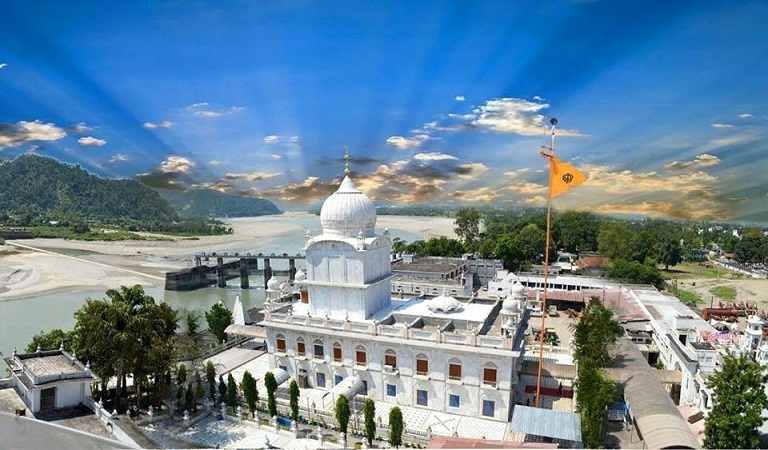
  • Gurudwara Paonta Sahib: The town is famous for the Gurudwara Paonta Sahib, which was established by Guru Gobind Singh Ji in 1685 during his stay here. It is one of the important pilgrimage sites for Sikhs and is located on the banks of the Yamuna River. The Gurudwara complex also houses a museum that displays relics associated with Guru Gobind Singh Ji.
  • Historical Significance: Guru Gobind Singh Ji composed several important Sikh texts, including parts of the Dasam Granth, during his stay in Paonta Sahib. The town is where he spent some crucial years of his life and engaged in various literary and spiritual activities.
  • Natural Beauty: Ponta Sahib is surrounded by picturesque landscapes, with the Yamuna River flowing through the town. The lush green hills and the riverbanks make it a serene and beautiful location.
  • Yamuna Temple: Besides the Gurudwara, there is also the Yamuna Temple dedicated to the Yamuna River, considered sacred by the local people. Many devotees visit this temple to seek blessings.
  • Adventure Activities: The town and its surroundings offer opportunities for various adventure activities, including trekking, camping, and river rafting.
  • Local Handicrafts: Ponta Sahib is known for its local handicrafts, particularly the production of traditional Himachali caps, which are popular souvenirs for tourists.
  • Accessibility: Ponta Sahib is well-connected by road and can be reached from major cities in Himachal Pradesh and nearby states. The nearest railway station is in Dehradun, Uttarakhand, which is approximately 68 kilometers away. The nearest major airport is in Chandigarh, which is around 120 kilometers from Ponta Sahib.
  • Fairs and Festivals: The town celebrates several Sikh festivals with great enthusiasm, including Guru Nanak Jayanti and Gurpurabs. These festivals attract a large number of pilgrims and devotees.
  • Best things about Ponta Sahib:

    Kavi Darbar : This is a historical place where Guru Gobind Singh held court for the composition of poetry. It’s a significant location for understanding the literary and cultural aspects of Sikhism. Temples and Ashrams : Aside from the gurudwara, Paonta Sahib is also home to various Hindu temples and ashrams. The Sidh Baba Ka Mandir and the Patanjali Ashram are worth visiting. Adventure Activities : The region around Paonta Sahib offers opportunities for activities like trekking and nature walks, making it a good destination for adventure enthusiasts. Lakshmi Narayan Temple : This ancient temple dedicated to Lord Vishnu is a notable religious site in Paonta Sahib. Enjoy Local Cuisine : Indulge in the local cuisine, which often includes Himachali specialties like Chana Madra, Babru, Sidu, and more. Riverside Walk : Take a leisurely stroll along the banks of the Yamuna River. It’s a peaceful spot for meditation or simply enjoying the natural surroundings. You may also read this blog- https://himachal.blog/janjehli-valley-himachal/

    Paonta Sahib is not only a religious center but also a place of historical and natural beauty. It offers a serene environment for spiritual reflection and is a must-visit destination for those interested in Sikh history and culture.

  • Janjehli Valley – Embrace Serenity in Nature’s Lap

    Janjehli Valley – Embrace Serenity in Nature’s Lap

    How to Reach:

    Janjehli Valley is accessible by road from Mandi, which is well-connected to major cities in Himachal Pradesh and nearby states. The nearest airport is Bhuntar Airport in Kullu, and the nearest railway station is Joginder Nagar Railway Station.

    Best Time to Visit:

    The best time to visit Janjehli Valley is during the spring and summer months, from April to June when the weather is pleasant and the valley is in full bloom. Autumn (September to October) is another favorable time to visit, offering clear skies and pleasant temperatures.

    check out our latest blog – https://himachal.blog/una-district-exploring-himachal-pradesh/

    Accommodation and Facilities:

    While Janjehli Valley is not as developed for tourism as some more popular destinations in Himachal Pradesh, there are accommodations available, including guesthouses, homestays, and campsites. However, it’s recommended to check the availability and facilities in advance before planning your trip.

    What makes Janjheli unique

    Less Commercialized:

    Unlike some of the more popular tourist spots in Himachal Pradesh, Janjehli Valley remains relatively less commercialized. This allows visitors to experience a more authentic and peaceful Himalayan atmosphere. Serene Ambiance:

    The valley’s tranquil ambiance makes it an ideal destination for relaxation, meditation, and escaping the hustle and bustle of city life. Offbeat Trails:

    Janjehli Valley offers a range of trekking trails and routes that take you through remote villages, dense forests, and pristine landscapes. These lesser-explored trails provide a unique adventure for trekkers.

    Things to do here:

  • Shikari Devi Temple: One of the most prominent attractions in Janjehli is the Shikari Devi Temple. It’s located atop a hill and is revered by both locals and tourists. The temple offers panoramic views of the valley and is a popular pilgrimage site.
  • Trekking: Janjehli Valley is a paradise for trekkers. Several trekking routes offer different levels of challenges. The trek to Shikari Devi Temple is popular and takes you through scenic landscapes. Other treks include the Chindi-Janjehli trek and Karsog-Chindi trek.
  • Wildlife and Nature: The region is rich in biodiversity. The Seri Manu Mahesh Wildlife Sanctuary nearby is home to various species of flora and fauna, including the Himalayan Monal, pheasants, deer, and more.
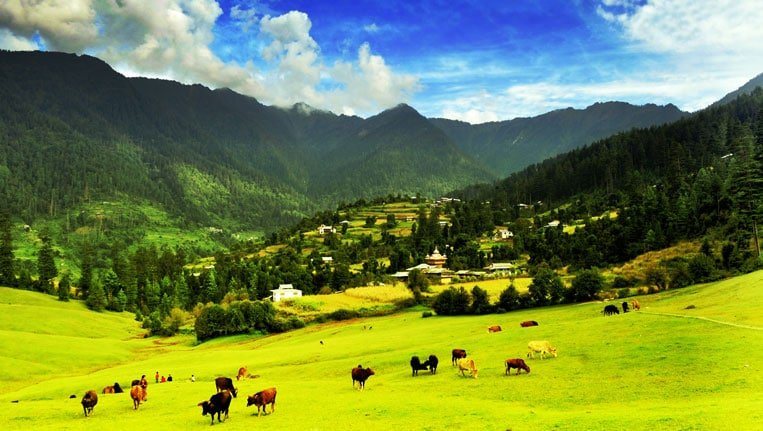
  • Meadows and Picnic Spots: The valley boasts lush meadows that are perfect for picnics and relaxation. These meadows offer stunning views of the surrounding mountains and valleys.
  • Camping: Camping is a popular activity in Janjehli. The valley’s serene environment and clear skies make it an ideal place for camping under the stars.
  • Photography: The landscapes, panoramic views, and vibrant local culture offer excellent photography opportunities.
  • Local Culture: Interacting with the local community provides insights into the traditional way of life in the mountains. You can experience the local cuisine, traditions, and hospitality.
  • Explore Waterfalls: Janjehli Valley is dotted with several beautiful waterfalls. Discover these hidden gems as you explore the area. The sounds of cascading water amid the natural setting create a serene atmosphere.
  • Bird Watching: If you’re a bird enthusiast, Janjehli Valley offers opportunities for bird watching. Keep an eye out for species like the Himalayan Monal, pheasants, and various other birds.
  • Motorbiking: Through the scenic routes of Janjehli Valley can be a thrilling and memorable experience.It presents several thrilling motorbiking routes which include anjehli to Shikari Devi, Janjehli to Karsog through Magrugalla, Chettri, and so on.
  • So if you’re seeking a peaceful and close-to-nature retreat and off-the-beaten-path experience, it could be an excellent choice. This Valley offers a tranquil retreat for nature enthusiasts, trekkers, and those looking to escape the hustle and bustle of city life.

  • Una: Exploring the Unseen Beauty of Himachal Pradesh

    Una: Exploring the Unseen Beauty of Himachal Pradesh

    How to reach:

    By Air: The nearest major airport is Chandigarh International Airport (IXC), which is approximately 150 kilometers away from Una. You can fly to Chandigarh from various major cities in India and then take a taxi or bus to reach Una. By Train: Una has its own railway station called Una Himachal Railway Station (UHL). It’s connected to major cities like Delhi, Ambala, and Chandigarh by train. You can check the availability of trains from your location to Una and plan your journey accordingly. By Bus: Una is well-connected by road. You can take buses from nearby cities like Chandigarh, Shimla, and Dharamshala. Himachal Pradesh Road Transport Corporation (HRTC) and private bus operators run buses to Una. Some budget friendly options for staying in Una and nearby areas that you might consider are Hotel Ashoka, Hotel Natraj ,Hotel Grand Hira, Komal Guest House.These offer basic amenities and a warm atmosphere.

    Economic Significance:

    Agriculture forms the backbone of Una’s economy, with a significant portion of the population engaged in farming. The fertile land along the banks of the Sutlej River supports the cultivation of crops like wheat, rice, and maize. Additionally, the district’s fruit orchards yield a variety of fruits, including apples and pomegranates. Check out our latest blog – https://himachal.blog/enchanting-festivals-of-himachal-pradesh/

    Top tourist places in Una that you can’t miss are:

  • Chintpurni Temple: Visit the revered Chintpurni Temple dedicated to the goddess Chinnamasta. The temple attracts pilgrims and devotees from all over the country seeking blessings and spiritual solace.
  • Explore Dharamshala: While not in Una District itself, Dharamshala is nearby and offers stunning views of the Dhauladhar mountain range. Explore the quaint town, visit the Dalai Lama Temple complex, and enjoy the serene atmosphere.
  • Jawalamukhi Temple: Pay a visit to the Jawalamukhi Temple, one of the 51 Shaktipeeths, dedicated to the goddess Jawalamukhi. The temple is known for the eternal flame that burns without any natural source of fuel.
  • Pong Dam: Pong dam also known as Maharana Pratap Sagar, is a significant reservoir located in the Una district of Himachal Pradesh, India. It’s one of the largest man-made lakes in India and is named after Maharana Pratap.
  • Haripur-Guler: Explore the historic town of Haripur-Guler, known for its ancient fort and rich cultural heritage. The fort is a reminder of the district’s historical significance.
  • Dera Baba Barbhag Singh: This is another revered religious site in Una. The temple complex is dedicated to Baba Barbhag Singh and is surrounded by lush green hills. The annual fair held here attracts a large number of devotees.
  • Bangana: Bangana is a small town in una known for its historical importance and has ancient temples and ruins to explore. The town’s architecture and heritage add to its charm.
  • Kutlehar Fort: Kutlehar Fort, is situated on a hilltop and offers panoramic views of the surrounding landscapes. The fort has witnessed various historical events and has seen rulers from different eras. It’s a combination of architectural beauty and historical significance.
  • Things to do here:

  • Nati Dance Performances: Experience the vibrant local culture by watching traditional Nati dance performances. These folk dances are an integral part of the district’s cultural identity.
  • Attend Local Festivals: If your visit coincides with local festivals such as Dussehra, Diwali, or Navratri, join in the celebrations to witness the district’s lively and colorful festivities.
  • Nature Walks: Enjoy leisurely walks in the picturesque countryside, taking in the natural beauty of Una’s landscapes. The district’s lush valleys and rolling hills provide a perfect setting for outdoor activities.
  • Fruit Orchards: If visiting during the fruit-bearing season, consider visiting fruit orchards to experience the joy of picking fresh apples, pomegranates, and other fruits.
  • Local Cuisine: Indulge in Himachali cuisine by trying local delicacies like Chana Madra, Dham (a traditional meal), and various forms of bread like Babru and Chana Bhatura.
  • Local Markets: Explore the local markets and bazaars to experience the culture and shop for handicrafts, textiles, and souvenirs.
  • Challenges and Progress: Despite its natural beauty and cultural significance, Una District faces its share of challenges. Issues related to infrastructure development, healthcare, and education continue to be areas of focus for local authorities. However, efforts are being made to address these challenges and improve the overall quality of life for the residents. Conclusion: In a world that often moves at such a fast pace, Una reminds us importance of preserving our cultural roots while embracing progress. As travelers step into this district, they’re welcomed by open arms, stunning vistas, and a way of life that has endured through generations.

  • Jibhi: “Where Nature’s Beauty Unfolds”

    Jibhi: “Where Nature’s Beauty Unfolds”

    Places to explore nearby:

    1. Jibhi Waterfall:

    A beautiful waterfall located close to the village, offering a serene and refreshing spot for relaxation and photography.The walk through the forested paths can be a delightful experience on its own, allowing you to immerse yourself in nature.This place serves as a great picnic spot as well.

    Location –

    Tandi, Himachal Pradesh

    Timing –

    24 hours

    2. Serolsar Lake:

    Accessible via a trek through scenic forests, this alpine lake is a tranquil spot surrounded by nature’s beauty.It is a popular trekking destination for nature enthusiasts and adventure seekers.The most common way to reach Serolsar Lake is through a trek that starts from Jalori Pass.The trek provides an opportunity to experience the natural beauty of the region.

    Location –

    Tirthan Valley, Himachal Pradesh.

    Best Time To Visit –

    March-June, October-November

    3. Shringa Rishi Temple:

    A historic temple known for its detailed wood carvings and religious importance, showcasing the region’s architectural heritage.The locals consider this temple as very sacred.The temple’s architecture showcases the traditional Himachali style, with intricate wooden carvings and craftsmanship.

    Location –

    Banjar, Himachal Pradesh 175123

    Timing –

    6:00 AM to 8:00 PM

    4. Jalori Pass:

    A mountain pass, its located at an elevation of 3000 metres that offers panoramic views of the surrounding landscapes, making it a popular destination for trekkers and nature lovers.The scenic beauty of this place makes it worth a visit.

    Location –

    Kullu District, Himachal Pradesh

    Best Time To Visit-

    Jalori Pass becomes accessible in April and remains so until early December next winter.

    5. Chaini Kothi:

    The village is situated at an altitude of around 3,600 meters above sea level, providing stunning views of the surrounding mountains and valleys.The main attraction of Chaini Kothi is the 1,500-year-old stone tower, also known as the Chaini Kothi Tower.Chaini Kothi is relatively less visited by tourists, making it a hidden gem.

    Location –

    Banjar, Himachal Pradesh

    Timing –

    Opens at 9 am

    Check out this blog – https://himachal.blog/jwalamukhi-temple-indias-most-powerful-temple/

    6. Great Himalayan National Park:

    The Great Himalayan National Park (GHNP) is a UNESCO World Heritage Site located in the Kullu district of Himachal Pradesh, India. It’s known for its remarkable biodiversity, stunning landscapes, and diverse range of flora and fauna. The park offers a haven for nature enthusiasts, trekkers, and wildlife lovers.

    Location –

    Forest Office Rd, Shamshi, Himachal Pradesh

    Entry Fee –

    The permit charge for Indian visitors INR 100/day, for foreign nationals is INR 400/day

    Jibhi and its surrounding areas offer a variety of activities that cater to different interests and preferences. Here are some of the best activities to do in this scenic region:

  • Trekking: The diverse landscapes and trails around Jibhi provide excellent opportunities for trekking. Whether it’s a short hike to Jibhi Waterfall or a more challenging trek to Serolsar Lake or Jalori Pass, there’s something for trekkers of all levels.
  • Nature Walks: Enjoy leisurely walks through the pine and deodar forests, soaking in the natural beauty and tranquility of the surroundings.
  • Photography: Jibhi’s stunning landscapes, waterfalls, and historic structures offer great opportunities for photography. Capture the beauty of the Himalayas and the unique architecture of Chehni Kothi and Chaini Kothi.
  • Fishing: The Tirthan River and nearby streams are known for trout fishing. Obtain the required permits and enjoy a relaxing fishing experience in the clear mountain waters.
  • Camping: Set up camp amidst the pristine natural surroundings, near the riverbanks or in the forests, and enjoy a night under the starlit sky.
  • Village Exploration: Explore the local villages to experience the traditional Himachali way of life, interact with friendly locals, and learn about their culture.
  • Visit Temples: Pay a visit to the Shringa Rishi Temple and other nearby temples to appreciate the intricate wood carvings and learn about the spiritual aspects of the region.