Shimla 14°C, clear Manali 8°C, light snow above 2400m NH3 Chandigarh–Manali: open, no restrictions HP govt jobs: new postings this week Dharamshala 12°C, overcast Apple mandi rate, Shimla: ₹68–82/kg Shimla 14°C, clear Manali 8°C, light snow above 2400m NH3 Chandigarh–Manali: open, no restrictions HP govt jobs: new postings this week Dharamshala 12°C, overcast Apple mandi rate, Shimla: ₹68–82/kg

Category: Travel

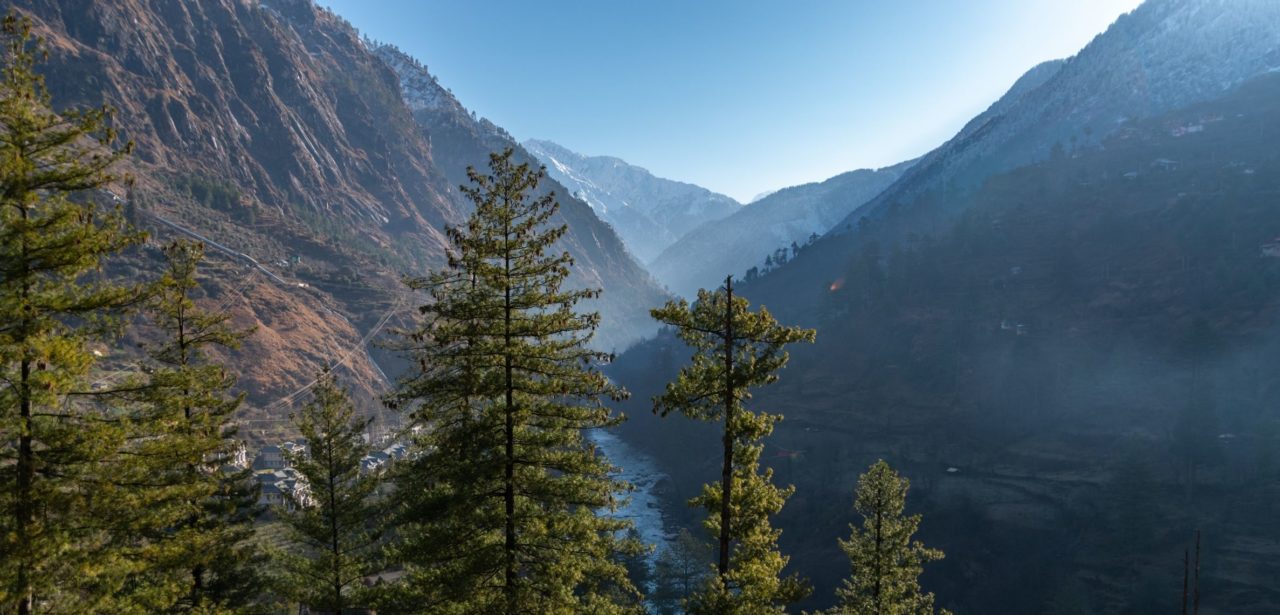
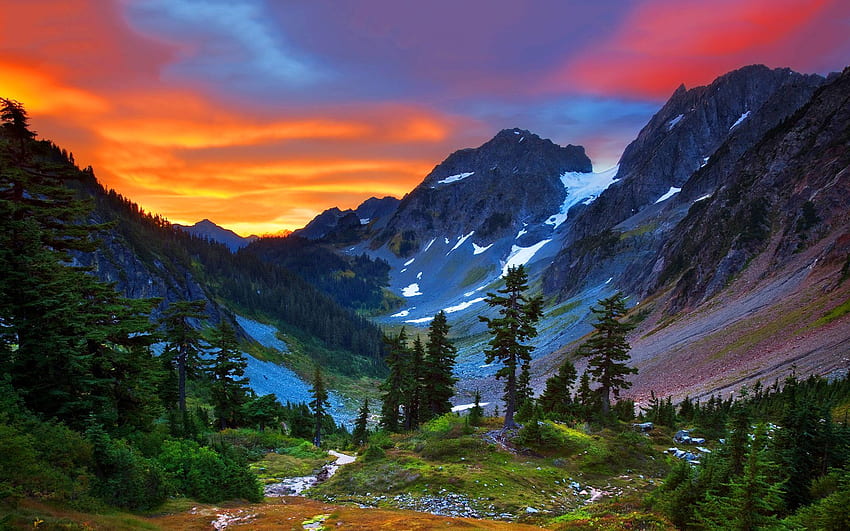
  • Spiti Valley: “Where Serenity Meets Adventure”

    Spiti Valley: “Where Serenity Meets Adventure”

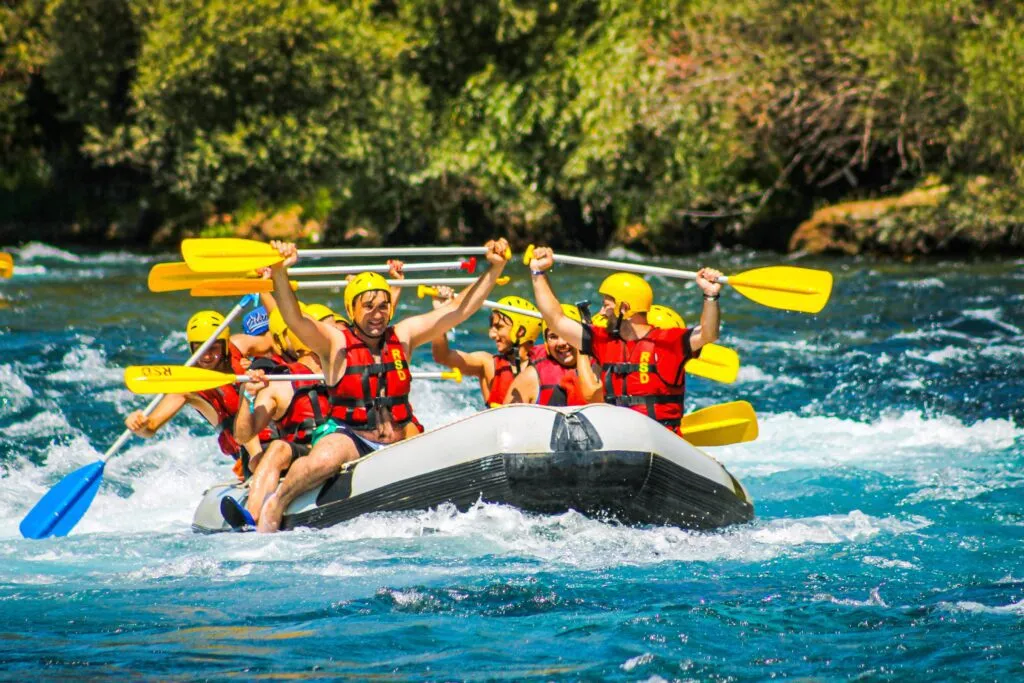
    1. River Rafting – Spiti Valley offers adventure enthusiasts a thrilling opportunity to experience the adrenaline-pumping activity of river rafting. With its fast-flowing rivers, deep gorges, and breathtaking surroundings, Spiti Valley provides an ideal setting for an exhilarating river rafting adventure.

  • Best Place for river rafting – Spiti and Pin rivers
  • Fees – INR 500 – 1500
  • 2. Camping – Far away from the hustle and bustle of city life, this remote region offers a unique opportunity to unwind under starry skies, and create unforgettable memories. With its rugged landscapes and breathtaking views, Spiti Valley beckons adventurers and nature enthusiasts to experience the joy and serenity of camping in the lap of the Himalayas.

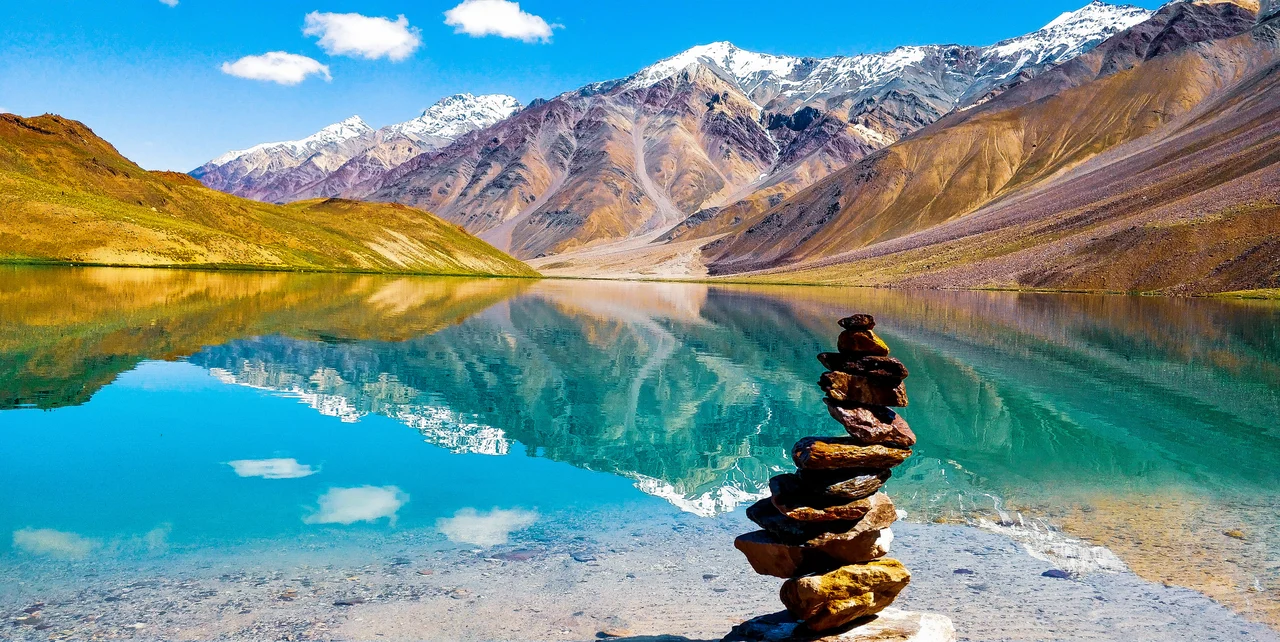
  • Best Place for Camping – Situated at an altitude of around 4,300 meters, Chandratal is a high-altitude lake, also known as the “Moon Lake,” offers experience tranquility like never before.
  • Fees – INR 1,500 and above per person depending on the camp retreat you choose
  • 3. Visit Buddhist monasteries – The valley is dotted with ancient Buddhist monasteries that have stood the test of time, preserving the profound teachings of Buddhism and offering a glimpse into the region’s cultural tapestry. A visit to these monasteries in Spiti Valley is an opportunity to immerse oneself in the serene atmosphere, learn about Buddhist philosophy, and experience a sense of tranquility and introspection.

  • Best monasteries to Visit – Key Monastery, Kungri Monastery, Kardang Monastery, and more.
  • 4. Trekking – Trekking in Spiti Valley allows adventurers to immerse themselves in the breathtaking beauty of the Trans-Himalayan region, witness the local culture and traditions, and challenge themselves in the lap of nature. Whether you’re an experienced trekker or a novice seeking an unforgettable adventure, Spiti Valley has a multitude of trekking routes to suit every level of expertise.

  • Best Place for Trekking – Pin Parvati Pass Trek, Dhankar Lake Trek
  • Fees – INR 1,500
  • 5.Baralacha Pass – Baralacha Pass, situated at an elevation of 4,890 meters, is one of the most iconic and breathtaking mountain passes in the Indian Himalayas. Connecting the picturesque valleys of Lahaul and Ladakh, this high-altitude pass is a gateway to adventure and exploration. Embark on a journey to conquer Baralacha Pass and immerse yourself in the majestic beauty of the Himalayas.

    6.Village of Giu -The village of Giu is a hidden gem that captivates visitors. Located at an altitude of 3,360 meters, this quaint village offers a glimpse into the rich history and traditions of the region. Giu is renowned for its centuries-old mummywhich is over 500 years old, preserved naturally and is a subject of curiosity and wonder. Explore the village of Giu to witness the fascinating blend of history and culture. There is no entry fee for visiting this place.

    7. Enjoy the delicacies – The region’s cuisine is a blend of traditional Tibetan, Indian, and Himalayan flavours, creating a delightful gastronomic experience. From hearty Tibetan momos to aromatic thupka and local delicacies made with organically grown ingredients, Spiti Valley offers a range of many delights that will leave your taste buds craving for more. You may also read this – https://himachal.blog/top-5-food-points-in-shimla/

    8.Pin Valley National Park – This place offers excellent opportunities for trekking and wildlife safaris, allowing visitors to explore the park’s diverse landscapes and spot its inhabitants. The park is crisscrossed by several trekking trails, ranging from easy walks to challenging treks. Trekking through the picturesque valleys, crossing high mountain passes, and camping in the wilderness provide an immersive experience in the lap of nature.The entry fee is free

    9.Chill By The Spiti River – The Spiti River, flowing through the magnificent Spiti Valley in the Indian Himalayas, offers a serene and tranquil retreat for those seeking solace amidst nature’s beauty. the River provides the perfect setting to unwind, relax, and rejuvenate. Whether you choose to sit by the riverbanks, take a leisurely walk, or engage in adventurous activities, a visit to the Spiti River promises a peaceful and unforgettable experience.

    10. Visit Langza – Perched at an altitude of 4,400 meters, this retro village offers visitors a unique opportunity to step back in time and experience the rich cultural heritage of the region. Langza is renowned for its fossil-rich terrain, ancient monasteries, and stunning views of the surrounding Himalayan peaks. Embark on a journey to Langza and immerse yourself in the beauty and history of this enchanting Himalayan village.
  • Dharamshala Tourism –  A Blend of Spirituality and Scenic Beauty

    Dharamshala Tourism – A Blend of Spirituality and Scenic Beauty

    1.Dalai Lama Temple Complex: Also known as Tsuglagkhang Complex, it is the spiritual center of Dharamshala and the residence of the 14th Dalai Lama. The temple holds great value for Tibetan Buddhists and serves as a place of worship and meditation. Visitors can witness the serene atmosphere and the Dalai Lama’s teachings.

  • Best time to visit – spring (March to April) and autumn (September to November) seasons.
  • How to reach – The nearest airport is Gaggal Airport located about 15 kilometers from Dharamshala
  • 2.Kangra Fort: Located about 20 kilometers from Dharamshala, Kangra Fort is one of the oldest forts in India. This historical fort provides breathtaking views of the surrounding Kangra Valley and houses ancient temples and ruins. Visitors can plan a trip to explore the nearby attractions Bajreshwari Devi Temple, and Kareri Lake – it’s a perfect picnic spot.

  • Best time to visit – October to March
  • How to reach – Direct buses are available from New Delhi to Kangra and the journey takes around 12 to 13 hours.
  • 3.Triund Hill – Most preferred by trekkers and adventure seekers, Triund Hill is one of the most beautiful places in Dharamshala. It offers an unforgettable camping experience amidst nature and allows you to wake up to magnificent sunrise views.

  • Best time to visit – September to November
  • How to reach – Once you reach McLeod Ganj, the trek to Triund Hill starts from the Galu Devi Temple, which is about 2 kilometers from McLeod Ganj’s main square.
  • 4. Dharamshala Cricket Stadium – The Dharamshala Cricket Stadium, also known as the Himachal Pradesh Cricket Association Stadium or HPCA Stadium, is a renowned cricket venue located in Dharamshala, Himachal Pradesh, India. It has hosted several international cricket matches, including (ODIs), T20Is, and IPL matches.

  • Best time to visit – Dharamshala Cricket Stadium hosts matches throughout the year. So, if you specifically want to witness a cricket match at the stadium, you can plan your visit accordingly.
  • check out this blog – https://himachal.blog/tourist-place-in-kangra/

    5. War Memorial – The War Memorial in Dharamshala is a significant landmark dedicated to the memory of the brave soldiers from Himachal Pradesh who sacrificed their lives serving the Indian armed forces.The Main Monument consists of three curved walls in black marble bearing the inscribed names of the those who laid down their lives in the service of the motherland on five of their faces and a mural on the sixth.

  • Best time to visit – Autumn is a great time to visit, the weather is pleasant for outdoor activities and enhances your overall experience.
  • 6. Bhagsunath Temple – Bhagsunath Temple of Lord Shiva, is a sacred place that offers a spiritual experience. It has a holy water pool, believed to have healing properties. The temple is located close to the famous Bhagsu Waterfall, which is a major attraction for visitors.

  • Best time to visit – Spring season (March to April)
  • How to reach – You can hire a taxi or take a short walk from McLeod Ganj. It is approximately 2 kilometers from the main square of McLeod Ganj.
  • 8.Dal Lake – Dal Lake is known for its lush greenery, pine forests, and snow-capped mountains, creating a serene and picturesque environment. Visitors can enjoy boating on Dal Lake, which is a popular activity. You can rent rowing boats or pedal boats to explore the lake at a leisurely pace and enjoy the serene surroundings.

  • Best time to visit – The summer season allows you to fully appreciate the serene beauty of Dal Lake, surrounded by lush greenery and picturesque landscapes.
  • 9.Norbulingka Institute – The Norbulingka Institute is a renowned center for Tibetan arts and culture located near Dharamshala in Himachal Pradesh, India. It’s famous for its stunning Tibetan art and craftwork. Visitors can also explore Tibetan Buddhism and witness religious ceremonies and rituals.

  • Best time to visit – September to November
  • How to reach – It is located approximately 8 kilometers from McLeod Ganj, and the journey takes around 30 minutes by road.
  • 10. Tibetan Museum – The Tibetan Museum is one of the best places to go in Dharamshala. It features a wide range of exhibits that showcase various aspects of Tibetan history and culture. Visitors can explore displays of traditional Tibetan artifacts, historical photographs, traditional costumes, and other significant cultural objects. Best time to visit – March to July is a good time

  • Palampur –  A Beautiful offbeat Tourist Place in Kangra

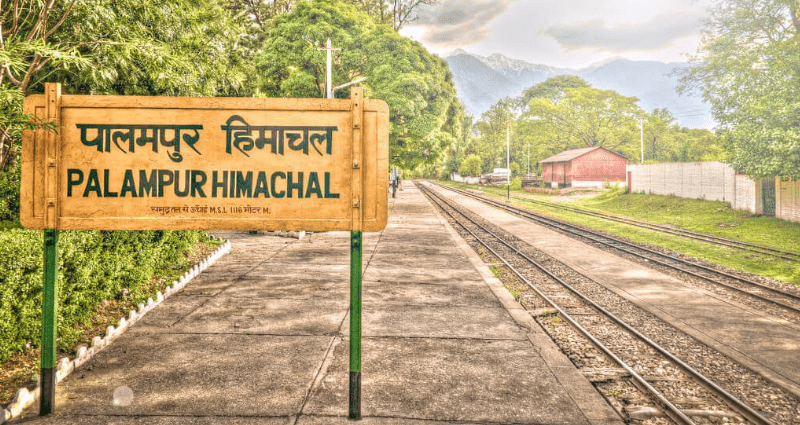
    Palampur – A Beautiful offbeat Tourist Place in Kangra

    1. Tashi Jong Monastery – Tashi Jong Monastery is a prominent Buddhist monastery located near Palampur in Kangra district, Himachal Pradesh. It is considered one of the most significant monastic communities in the region and is known for its rich cultural heritage and spiritual significance.

  • Why visit: It provides an ideal environment for meditation and introspection. Visitors can participate in meditation sessions or even join retreat programs to experience the benefits of mindfulness and inner peace.
  • Places to stay – Tashi Jong Retreat Center: The monastery itself offers guest rooms and accommodation facilities for visitors. Since Tashi Jong Monastery is located near Palampur, you can also consider staying in one of the hotels in Palampur.
  • 2. Baijnath Shiva Temple – Baijnath Shiva Temple is a famous ancient Hindu temple located in the town of Baijnath, around 16 kilometers from Palampur in the Kangra district of Himachal Pradesh, India. It is dedicated to Lord Shiva and holds great religious and historical significance.

  • Why visit – Shiva Temple holds immense spiritual importance, particularly for devotees of Lord Shiva. It provides an opportunity to engage in religious practices, offers prayers, and seek blessings
  • Places to stay – There are a few hotels and guesthouses in Baijnath town itself. However, the range of accommodations may be limited compared to larger towns.
  • 3. Neugal Khad – Neugal Khad is a popular tourist spot located on the outskirts of Palampur, Himachal Pradesh. It is a scenic spot where the Neugal River flows through a narrow gorge, creating a captivating view.

  • Why visit – Neugal Khad provides a serene environment away from the hustle and bustle of the city. It is a popular picnic spot for families and friends to enjoy a picnic.
  • Places to stay – You can stay in Palampur, which is the nearest major town. Some popular options include RS Sarovar Portico, Norwood Green, and The Citadel Resorts.
  • 4. Saurabh Van Vihar – Saurabh Van Vihar is a beautiful park and nature reserve located in Palampur, Himachal Pradesh. The name of the Park is a tribute to the great martyr of the Kargil War Captain Saurabh Kalia, who sacrificed his life for the country.It’s one of the popular destination known for its scenic beauty and peaceful environment.

  • Why visit – The park features a small lake where visitors can enjoy boating. Renting a paddle or rowboat and exploring the calm waters of the lake can be a delightful experience.
  • Places to stay – You can consider staying in a homestay for a more personalized and local experience.
  • 5. Dhauladhar National Park – Dhauladhar National Park is located 13 kilometers from Palampur and is well-connected to the main city. It’s one of best places to visit in Palampur.

  • Why visit – You can also visit the mini zoo here which is home to numerous endangered species including leopards, black bears, Asiatic lions, red foxes, and deer.
  • You may also read – https://himachal.blog/himachal-pradeshs-wildlife-marvels/

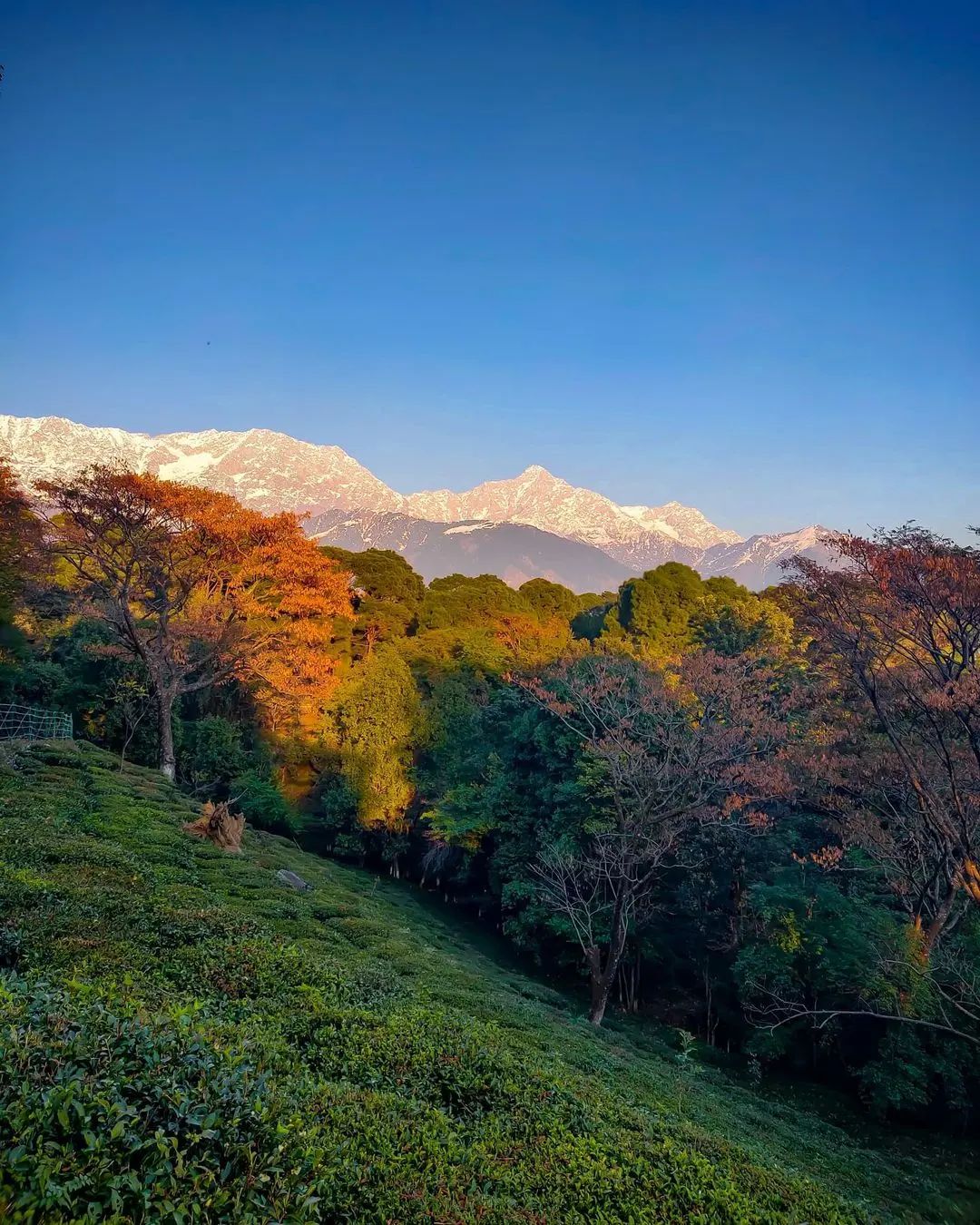
    6. Tea Gardens – Palampur, the town in the Kangra district of Himachal Pradesh, is renowned for its lush tea gardens. It’s one of the main attractions of Palampur. The region’s favorable climate and fertile soil make it an ideal location for tea cultivation.

  • Why visit – The tea gardens provide an excellent opportunity to taste and purchase high-quality tea. You can indulge in tea-tasting sessions and explore a variety of teas, including black, green, and herbal teas.
  • 7. Andretta Artist Village – Andretta Artist Village is a renowned cultural and artistic hub located near Palampur in Himachal Pradesh, India. A great place for art lovers, this village is undoubtedly a must-visit place in Himachal.

  • Why visit – The village is dotted with art studios and workshops where artists practice their craft. You can visit these studios and witness artists working on various art forms such as pottery, painting, and sculpture.
  • Places to stay – Bir-Billing, located around 30 kilometers from Andretta, offers a variety of guesthouses, homestays, and campsites.
  • 8. Sobha Singh Art Gallery – The Sobha Singh Art Gallery is a prominent cultural attraction located in Andretta village near Palampur, Himachal Pradesh. It is dedicated to showcasing the works of renowned artist Sardar Sobha Singh.

  • Why visit – The Sobha Singh Art Gallery preserves and promotes the artistic legacy of Sardar Sobha Singh. It offers insights into the culture and traditions of the Sikh heritage.
  • 9. Norbulingka Institute – The Norbulingka Institute is a prominent cultural and educational center located in Dharamshala, Himachal Pradesh, India. The Norbulingka Institute is a haven for experience seekers and inquisitive minds. Every aspect of the institute holds intriguing stories and adventures waiting to be explored.

  • Why visit – The institute is home to a Tibetan Tea House and Café where visitors can enjoy traditional Tibetan cuisine, herbal teas, and desserts. One can purchase authentic Tibetan crafts and other traditional handicrafts.
  • 10. Chamunda Devi Temple – Chamunda Devi Temple is a famous Hindu temple located in Kangra district, near Palampur. It is dedicated to the goddess Chamunda, who is a form of the Hindu goddess Durga.

  • Why visit – Chamunda Devi Temple is situated amidst beautiful surroundings, with the majestic Dhauladhar mountain range as a backdrop. It is also an opportunity to witness the devotion and faith of the local community.
  • Places to stay – You can book a hotel in Dharamshala, 20 kilometers from Chamunda Devi Temple.
  • 11. Bir-Billing – Bir-Billing is a renowned paragliding destination located approximately 35 kilometers from Palampur. It offers an exhilarating experience for paragliding enthusiasts.

  • Why visit – Adventure enthusiasts from around the world come here to experience the thrill of paragliding and enjoy the breathtaking views of the Himalayan ranges.
  • Best destinations for water sports in Himachal Pradesh

    Best destinations for water sports in Himachal Pradesh

    1. BOATING At TATTAPANI Located just 50 km from Shimla, Tattapani beckons you to leave behind the hustle and bustle of daily life. Boating at Tattapani is not just an adventure; it’s an essential part of your Himachal Pradesh experience. You can go for paddle boating or motorboating – both promising delightful experiences on the tranquil waters.Whether you seek a leisurely and immersive outing with paddle boating or crave a bit of speed and excitement with a motorboat, Tattapani caters to your preferences.

  • How to Reach: By Air: The nearest airport to Tattapani is Shimla Airport, also known as Jubbarhatti Airport.The journey by road takes around 2 hours.
  • By Train: The closest railway station to Tattapani is Shimla Railway Station.The road journey usually takes around 1.5 to 2 hours.
  • By Road: Tattapani is well-connected by road, and you can reach there by bus or private vehicle. If you are coming from Shimla, it is approximately a 48-kilometer drive via NH5. The journey takes about 1.5 to 2 hours, depending on the traffic and road conditions.
  • Boating Charges: Rs. 300 per Adults and Rs. 200 per Child for 30 minutes.
  • 2. RAFTING IN TATTAPANI Tattapani is also a great destination for adventure enthusiasts and nature lovers. It offers a perfect blend of adventure activities and natural beauty. Rafting in the cold waters of the River Sutlej can indeed be an exhilarating and memorable experience. The River Sutlej is one of the longest rivers in India and offers exciting opportunities for water rafting enthusiasts. This activity is ideal for the enjoyment of various types of travelers including Groups or solo travelers.

  • Rafting charges: Group River Rafting: Rs 300/- per head,Entire Raft: Rs 3000/- per head
  • You may also read – https://himachal.blog/adventure-activities-to-do-in-himachal-pradesh/

    3. WATER ROCK CLIMBING IN VASHIST Vashist is a small village located near Manali in the Kullu district of Himachal Pradesh, India. It is known for its natural hot springs and beautiful landscapes. The water rock climbing activities take place in the surrounding areas, where the Beas River and its tributaries provide suitable rock formations for climbing. It is conducted under the guidance of experienced and certified instructors.

  • How to Reach: Vashist is approximately 4 kilometers away from Manali. The journey takes around 15-20 minutes by road, depending on the traffic conditions.
  • 4. ZIP-LINING Zip-lining is a thrilling adventure activity that allows you to soar through the air while suspended on a cable. Although zip-lining is not as commonly associated with Himachal Pradesh as other activities like trekking or river rafting, there are a few places where you can enjoy this exhilarating experience. Solang Valley , near Manali, is a well-known adventure hub in Himachal Pradesh. Along with activities like paragliding and skiing, Solang Valley offers zip-lining adventures.

  • How to reach: You can either drive your own vehicle or hire a taxi from Manali to Solang Valley. There are also regular bus services from Manali to Solang Valley.
  • Ziplining Charges: Rs 300 to 350
  • 5. ENJOY FISHING IN KASOL The Parvati River is indeed a popular river that flows through Kasol in Himachal Pradesh. It is known for its scenic beauty and is a sought-after destination for various water sports and recreational activities, including fishing. Fishing in the Parvati River is a popular activity for tourists visiting Kasol. The river is abundant in trout fish, particularly the rainbow and brown trout species. Fishing enthusiasts can enjoy the serenity of the surroundings while trying their hand at angling.

  • How to Reach: The most common way to reach Kasol is by road. It is approximately 32 kilometers from Bhuntar, which has the nearest airport.You can hire a taxi from Bhuntar or take a local bus to reach Kasol.
  • Fishing Charges: Rs 500
  • 6. SWIMMING AT MAHARANA PRATAP NAGAR Swimming at Maharana Pratap Sagar, also known as Pong Dam Lake, is a popular activity for visitors to the area. Maharana Pratap Sagar is a reservoir located in the Kangra district of Himachal Pradesh, India. It is a man-made lake formed by the construction of the Pong Dam on the Beas River. Swimming in Maharana Pratap Sagar offers a refreshing and enjoyable experience. The lake is vast, providing ample space for swimming and water activities. The clear waters and picturesque surroundings add to the charm of swimming in this beautiful lake.

  • How to reach: The nearest airport to Pong Dam is Gaggal Airport located in Kangra which is barely 75 kms from the destination. The nearest railway station is Pathankot, also at an approx. distance of 70 km from Pong Dam. Regular buses also ply from Kangra to Pong Dam on an everyday basis.
  • Charges: Rs 1000 per day per person
  • 7. ROWING AT GOBIND SAGAR LAKE Rowing at Gobind Sagar Lake can be a wonderful experience. Gobind Sagar Lake is a reservoir located in Bilaspur district of Himachal Pradesh, India. It is formed by the Bhakra Dam on the Sutlej River and offers a picturesque setting surrounded by hills. Gobind Sagar Lake offers various water sports including swimming, rowing, water-skiing, surfing, canoeing, and kayaking. However, it is worth noting that rowing and kayaking are typically organized for experienced individuals or those who have prior knowledge and skills in these activities.

  • How to reach: Bhakra dam is about 13 Kms from Nangal. The nearest airport is Chandigarh (105 km from Nangal) after that you can go by road. Nangal is on the Delhi-Una line and there is a daily train “Himachal Express” on this route. Nangal is 20 Km. from Gurdwara Sri Kesgarh Sahib, Anandpur Sahib and 30 Kms from Gurdwara Sri Kiratpur Sahib.
  • 8. CANOYING Canoeing in Himachal Pradesh is a popular water sport activity that allows you to explore the serene lakes and rivers of the region. It offers a unique way to immerse yourself in the natural beauty and tranquility of Himachal Pradesh. Canoeing provides an opportunity to paddle through calm waters, enjoying the scenic surroundings and wildlife encounters. The Ravi River in the Chamba district offers a beautiful setting for canoeing.Canoeing on the Ravi River is suitable for individuals with basic to intermediate canoeing skills. It’s important to have some experience in paddling and handling a canoe, as the river conditions may vary.

  • How to reach: The nearest railway station is at Pathonkot, 120 Km from Chamba town. Regular trains to pathankot from New delhi.
  • Places to visit in kasol

    Places to visit in kasol

    1. Parvati Valley – River Parvati is one of the best places to visit in Kasol. The scenic landscapes of the valley and pleasant riverside make this place heavenly beautiful. Taking a walk by the River Parvati in Kasol can be a relaxing and rejuvenating experience. The serene surroundings, and the soothing sound of the flowing water, make it so.

  • Known for: River rafting, and for relaxing amidst the spectacular surroundings.
  • 2. Manikaran Sahib – Manikaran Sahib, is a Gurudwara 6 km from Kasol is built between the two rivers – Beas and Parvati. Devotees believed that taking a dip in this holy water washes away all their sins. The magnificent view of the valley and charm of the Gurudwara has made this place one of the best places to visit in Kasol.

  • Known for: Enjoy delicious langar food cooked in natural hot springs, Gurudwara has a beautiful location where you can also enjoy hot baths
  • 3. Tirthan Valley – Tirthan Valley is a serene and picturesque valley located in the Kullu district of Himachal Pradesh, India. It is named after the Tirthan River, which flows through the valley and is known for its natural beauty, lush green landscapes, and charming villages. You can miss this place if you visit Kasol.

  • Known for: Tirthan Valley offers popular attractions like the Great Himalayan National Park and more.
  • Read our latest blog : https://himachal.blog/best-hill-stations-in-himachal-pradesh/

    4. Kheer Ganga Peak – Kheer Ganga, is a 9 km long trek with trails that connect the trekker to the top of the hill. This place promises to leave you awestruck with its natural scenic beauty. A trekking experience like this one is difficult to find anywhere else. You can even stay at the hilltop for a couple of days as nearby offers several accommodations.

  • Known for: Offers the most joyous trekking experience of your life, you get a breathtaking view of Parvati Valley and hot springs.
  • 5. Tosh village – Tosh is a small village located in the Parvati Valley of Himachal Pradesh, India. It is situated at an altitude of approximately 7,900 feet (2,400 meters) and is known for its natural beauty, scenic views, and peaceful environment. You will find Israeli food in the local cafés and restaurants. This place can be a backpacker’s favorite destination and is definitely one of the places to visit in kasol.

  • Known for: Trekking, Photography, and Nature walks.
  • 6. Kullu – Located approximately 50 km away from Kasol, Kullu is an overall perfect destination for all types of travelers. There are plenty of places to enjoy the food and shop for local products. Popular for its traditional architecture and cultural practices, it’s known as one of the best sightseeing spots near Kasol.

  • Known for: Raghunath Temple and Rupi Palace, Paragliding, Camping, Adventure sports, Shopping, and Sightseeing.
  • 7. Chhalal Village – Chhalal Village is located at an altitude of 5366 feet above sea level and is quite far away from Kasol.For tourists who are in search of small attractions, it is a great place. Chhalal has an essence of Israeli culture and visitors can witness the same from the houses and cuisine.

  • Known for:This tiny village is the starting point for the Rashol trek, unique cafes, where one can try out some of the best Israeli cuisines.
  • 8. Naggar Village – Naggar Village is a lesser-known village in Kasol. Exploring this village allows you to experience the rural beauty of this village. The International Roerich memorial trust, Naggar Castle, and Gauri Shankar temple, and the culture of this village make this place worth visiting.

  • Known for: One can appreciate Himachali art at Uruswati Himalayan Art Museum, and enjoy shopping for Pullans or woolen shoes, Himachali caps, rugs, etc. and views of the village are ideal for photography.
  • We can conclude that overall Kasol is a good holiday destination for solo travelers, family vacations, or a fun trip with friends. You get to chill or be an adventure junkie which makes it appealing to all kinds of people.

  • Best Hill Stations in Himachal Pradesh for a Summer Getaway

    Best Hill Stations in Himachal Pradesh for a Summer Getaway

    Shimla

    The capital city of Himachal Pradesh, Shimla is a popular hill station. Known for its colonial charm, pleasant climate, and stunning views, has been blessed with all the natural bounties that one can think of.

  • Best Time to Visit: May to June if you are looking for a pleasant climate and December to January if you are into winter sports.
  • Top Things to Do: toy train riding, ice skating, and camping in the woods.
  • Places to Visit: Jakhoo Temple, Tara Devi Temple, Himalayan Bird Park, Lakkar Bazar, Indian Institute of Advanced Studies, Military Museum, Scandal Point, Chadwick Waterfall, Shimla Ridge, etc.
  • Manali

    Manali is a scenic hill station that lies in the Pir Panjal and Dhauladhar ranges. It is renowned for its breathtaking landscapes, snow-capped mountains, and adventure activities making it a popular destination for tourists.

  • Best Time to Visit: October to February
  • Top Things to Do: Riding bikes through the hilly roads is one of the main attractions here. Tourists also prefer shopping and having tasty delicacies.
  • Places to Visit: Hadimba Temple, Nehru Kund, Solang Valley, Vashisht Hot Water Springs, Jogini Falls, and Rohtang Pass.
  • Also Read – https://himachal.blog/jwalamukhi-temple-indias-most-powerful-temple/

    Dharamshala

    Situated in the Kangra Valley, Dharamshala is famous as the residence of the Dalai Lama and the headquarters of the Tibetan government-in-exile. The serene atmosphere, Buddhist monasteries, and the beautiful Triund trek make Dharamshala a captivating destination.

  • Best Time to Visit: Visiting Dharamshala between February and June is preferable
  • Top Things to Do: Firstly you can go sightseeing to explore this lovely place. Other than that, you can also go shopping, trekking, and cycling.
  • Places to Visit: Namgyal Monastery, Tsuglagkhang Complex, Kareri Dal Lake, Bhagsunag Temple, Naddi Village, Kangra Fort, etc.
  • Dalhousie

    Roosted on the foothills of the Dhauladhar range, Dalhousie is known for its old-world charm and mesmerizing views of the snow-capped peaks. Khajjiar, Dainkund Peak, Kalatop Wildlife Sanctuary, and Satdhara Falls are among the top attractions in Dalhousie.

  • Best Time to Visit: March to June will be the best time to visit.
  • Top Things to Do: Boat riding, hiking, trekking, sightseeing, and shopping.
  • Places to Visit: Panch Pulla Waterfall, Chamera Lake, Kalatop Wildlife Sanctuary, Satdhara Falls, Ganji Pahari, Subhash Baoli, Chamunda Devi Temple, Tibetan Handicrafts Market
  • Kasauli

    A small and peaceful hill station, Kasauli offers a serene retreat amidst lush green forests and picturesque surroundings. The weather in Kasauli remains pleasant throughout the year, so it is an ideal destination to escape the scorching heat of the plains during summers

  • Best Time to Visit: April to June and September to November will be ideal for visiting this place, as it usually has pleasant weather.
  • Top Things to Do: Trekking, taking toy train rides, and shopping while staying here that you definitely can’t miss. you can also enjoy walking and enjoying the forests.
  • Places to Visit: Sunset Point, Sunrise Point, Gilbert Trail, Christ Church, Mall Road, Timber Trail Resort, Gurkha Fort.
  • Chamba

    It is located on the banks of the Ravi River at an altitude of around 996 meters. Known for its ancient temples, palaces, and breathtaking views, Chamba is a charming hill station nestled in the Himalayas, rich in cultural heritage and historical significance.

  • Best Time to Visit: While the weather remains pleasant throughout the year, the time between April and June might be best to have a vacation here.
  • Top Things to Do: Trekking and sightseeing
  • Places to Visit: Chamera Lake, Manimahesh Lake, Lakshmi Narayan Temple, Himachal Emporium, Rang Mahal, Hariraya Temple, Chaugan, etc.
  • Chail

    Last but not the least Chail is one of the best hill stations in Himachal Pradesh. Tourists seeking a peaceful getaway from the bustling cities come to this place often. One of the main attractions in Chail is the Chail Palace, which was built in the late 19th century and was once the summer retreat of the Maharaja of Patiala. The scenic beauty overlooking Shimla and Kasauli, and the dense cover of deodar and pine trees, have increased its tourist attraction.

  • Best Time to Visit: April to June is considered the best time.
  • Top Things to Do: Camping and trekking are common sports in this area. Tourist usually prefers trekking from Chail to Gaura and Chail to Jhajjar. You can also enjoy walking in the pine forests.
  • Places to Visit: Chail Wildlife Sanctuary, cricket ground, Kali Temple.
  • Certainly! Himachal Pradesh is blessed with numerous beautiful hill stations that offer stunning landscapes, and a tranquil environment so if you are planning to visit here for a quick vacation for a summer gateway consider this list of the best spots before planning your vacation.

  • Jwalamukhi Temple: India’s Most Powerful Ritualistic Temple

    Jwalamukhi Temple: India’s Most Powerful Ritualistic Temple

    What to Know About the Jwalamukhi Temple

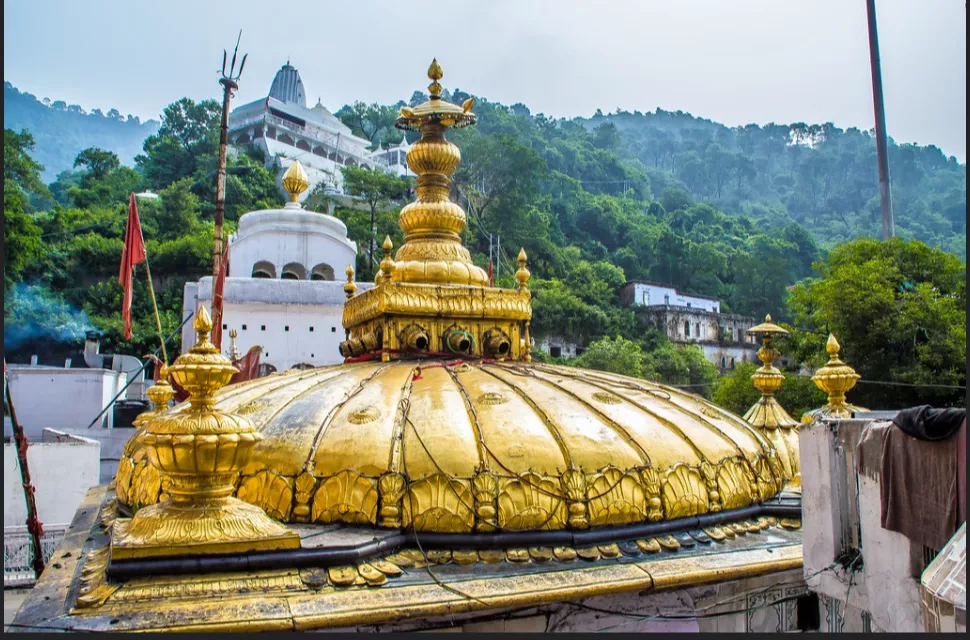
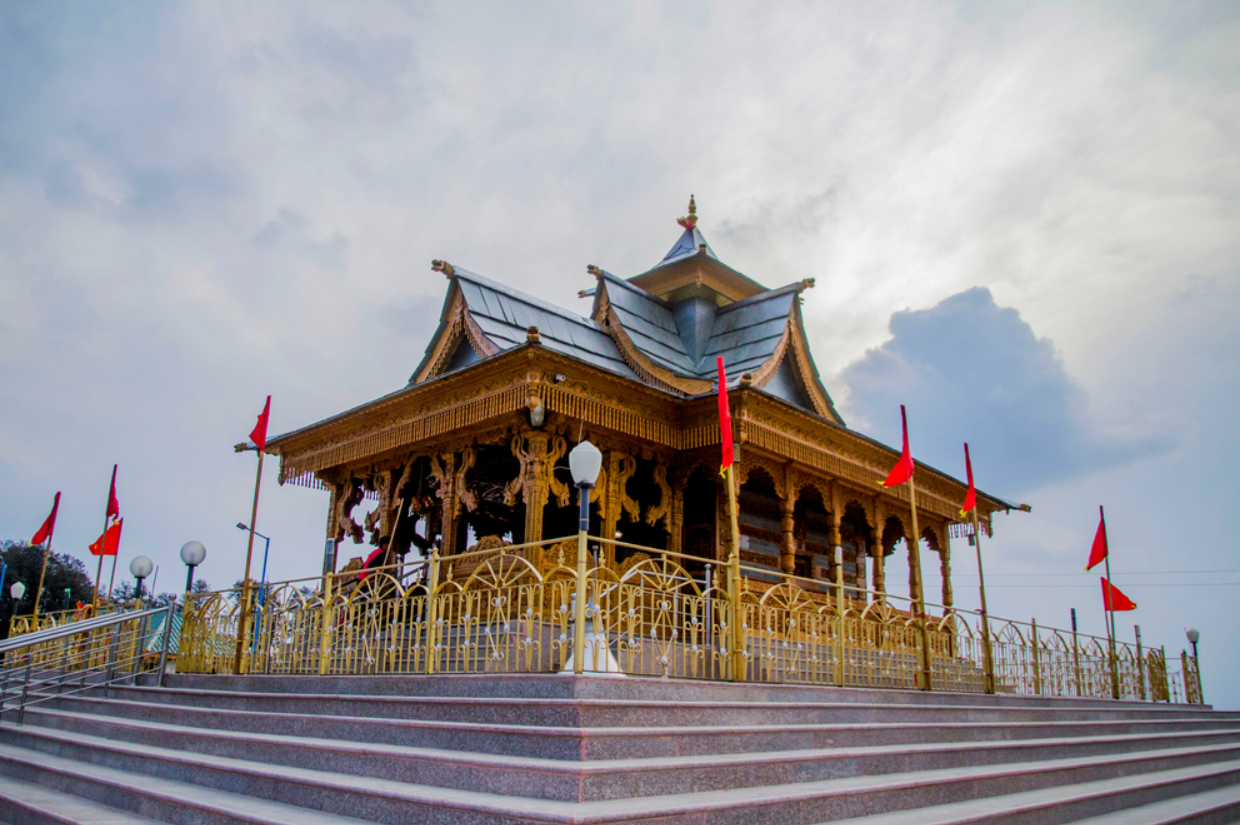
    The entire construction work for this temple was eventually completed in 1835 by Maharaja Ranjit Singh and Raja Sansar Chand. The Jwalamukhi temple is a contemporary structure. Its gorgeous folding door is made of silver plates, and its dome is composed of gold. It is stated that nine Mother Shakti flames are sparked here. In Northern India, one of the greatest Hindu shrines is the temple dedicated to Maa Jwala Devi. The Kangra district of Himachal Pradesh is 30 kilometers away from this temple. Jota Wali’s Temple and Nagarkot are other names for the Jwalamukhi Temple. This temple’s unique quality is that the Goddess isn’t represented by an idol there. It is located in the serene foothills of Kali Dhar mountain. The nine lights lit here are Mahakali, Annapurna, Chandi, Hinglaj, Vindhyavasini, Mahalakshmi, Saraswati, Ambika, and Anjidevi. The blazing flame burns continually without ghee, oil, lamp, or wick in this place. This flame emerges from the crack in the stone. The temple priests have lit a copper pipe that releases natural gas inside the structure, creating a perfect blue blaze.

    History of Kangra’s Jwalamukhi Temple

    The Jwalamukhi temple is one of the 51 shrines of the Goddess Sati that have been constructed in India. This Shaktipeeth is also mentioned in the Mahabharata, the Devi Bhagwat, and the Skanda Puran. The most significant moment in Maa Jwalamukhi’s life was when King Daksh hosted a grand Yagya in Kankhal. This is now known as Haridwar and summoned every god there, except Mahadev and his consort mother, Sati. Despite Lord Shankar’s concerns, Goddess Sati went there. When she witnessed Lord Shiva being humiliated, she could not bear it. She was upset and jumped into the Havan Kund and left her body there. Later, Lord Shankar put her burning remains in a trident. Goddess Sati’s tongue had fallen here when this incident occurred.

    For What is Kangra’s Jwalamukhi Temple Well Known

    The Kangra district of Himachal Pradesh is home to the Jwalamukhi Temple, one of the 51 Shaktipeeths of the Goddess Sati of India. For hundreds of years, it has been renowned for its searing flame. This temple contains no idols. Instead, this flame is revered here. Also Read- https://himachal.blog/holy-shrine-of-the-blue-goddess-kali-bari-temple/

    Fair and Festivity at Kangra’s Jwalamukhi Temple

    At Jwalamukhi Mandir, celebrations of festivals are held. Twice a year, in September and October, the fair at the Jwalamukhi temple is conducted during the Navratri of Chaitra and Ashwini, near the Jwala Kund, where devotees travel. Where the sacred fire burns and people present their sacrifices, Near Gorakh Tibi Jwala Kund is where Gorakh Panthi Nath’s center is located. They are considered important attractions here, including folk dances, concerts, dramas, wrestling matches, and athletic fairs.

    When to Visit Kangra, Jwalamukhi Temple

    The Jwalamukhi Temple’s gates are open every day of the week. This temple is open from 7:00 am to 11:00 am and 4:00 pm to 8:00 pm. In addition to the customary offerings of seasonal fruits and milk, a havan is held daily in this temple, and Rabri Mishri is offered to the Goddess.

    Jwalamukhi Temple’s Aarti Timings

    Five Aartis are performed daily in this temple. The first Aarti, known as “Mangal Aarti,” occurs when the temple gates open in the morning, between 5:00 and 6:00 in the summer and 6:00 and 7:00 in the winter. The following Aarti, “Panjupchar Pujan,” is done at sunrise and begins at about 6:00 am in the summer and 7:00 am in the winter. The following Ais is called “Bhog ki Aarti,” and during this ritual, the deities are showered in fruits, milk, etc., between 11:00 am and 12:00 pm (in the summer) and 11:00 am and 12:00 pm (in winter). The following Aarti is referred to as the “evening Aarti,” and it is performed from 7:00 to 8:00 pm (during the summer) or 6:00 to 7:00 pm (during the winter) (in winter). Around 9:00 pm – 10:00 pm (in the summer) & 8:00 pm – 9:00 pm (in winter). The Goddess’ bed is magnificently decorated with flowers and ornaments for this particularly unique Aarti, known as “Sayan Ki Aarti.” There are two steps to this, Aarti. The main temple is where the first phase occurs, and the SEZ building is where the second phase occurs. Daily shlokas are repeated in addition to these aartis.

    How to Get to Jwalamukhi Temple in Kangra

  • By Train: Kangra Railway Station, located about 2 km from Jwalamukhi Mandir, is the railway station closest to the temple. The closest broad gauge railroad station is located 123 kilometers distant at Pathankot. The mountain train in Kangra is the closest narrow gauge.
  • By Air: Dharamsala’s Gaggal Airport is the closest airport to Jwalamukhi Temple. This is situated 46 kilometers away from Jwalamukhi Mandir. The airport only connects the three largest cities of Delhi, Chandigarh, and Kullu. There are three weekly flights by Indian Airlines between Delhi and Dharamsala.
  • By Road: By taxi, bus, personal vehicle, or bicycle
  • From Pathankot to Dharamsala, the closest bus stop is 140 kilometers from the temple. Jwalamukhi Temple is situated 56 kilometers from Dharamsala and 30 kilometers from Kangra. From Pathankot, a bus service is available.

  • Fun and Adventure Activities to do in Himachal Pradesh

    Fun and Adventure Activities to do in Himachal Pradesh

    Top 10 Adventure Activities to do in Himachal Pradesh

    Let’s have a glimpse at some of the popular adventure sports that are broadening Himachal Pradesh.

    1. Trekking

    Beautiful mountains and breathtaking landscapes may be found across Himachal Pradesh. Trekking has become a well-known adventure sport in the mountainous region thanks to the region’s magnificent terrain. You should take advantage of the chance to trek in the Spiti Valley. Numerous pathways wind through dense woodlands, passing by rivulets and mountains covered in snow. You will undoubtedly have a fantastic trekking experience in this lovely, gorgeous area. Adventure seekers can trek on one of 270 trails in Himachal and have the experience of their lives.

  • Best for: Children, close friends, and relatives
  • Best time: June to September
  • Location: Pin Parvati, Kinnaur to Kailash, Spiti to Garwal, Bharmour to Padum, and Bar to Bhangal
  • Also Read- https://himachal.blog/churdhar-trek-a-stunning-and-remarkable-himalayan/

    2. Camping

    Camping is a well-liked outdoor activity in Himachal, allowing backpackers to escape the city and get closer to the beauty of nature. In Himachal Pradesh, this other adventurous sport is very popular. Here, tourists from all over the world converge to enjoy camping while residing in a tent or base camp. It is a wonderful way to take in and appreciate the allure of the land’s natural beauty. In addition, campers can experience a sense of oneness with nature while immersed in the tranquil surroundings. Aqua zorbing, aquatic activities, and other physical activities are just a few camping activities the participants can enjoy. In Himachal Pradesh, there are several sites to engage in adventure sports.

  • Best for: Young people, kids, and family
  • Best time: April to June
  • Location: Spiti, Dalhousie, Manali, Lahaul, Kinnaur, and Kullu
  • Options for Lodging: Tent, base camp
  • 3. River Rafting

    Himachal is abundantly surrounded by glacial rivers, making it the perfect location for various water sports like rowing, river rafting, canoeing, and water skiing, among others. One of the top adventure activities in Himachal Pradesh has been there for a long time, but the white water adds unbelievable excitement. Adventure seekers will have a memorable experience while racing down turbulent rapids encircled by lofty pine woods, snow-capped peaks, and flowering bushes.

  • Best for: For youngsters and companions
  • Best time: April to June
  • Location: Rivers Beas, Chenab, Satluj, and Ravi
  • 4. Rappelling

    There are several adventure sports available in Himachal Pradesh, and rappelling is one among them. It is thought of as being completely different from rock climbing. A rope enables you to descend a cliff or a steep incline. Because it is a far safer alternative that uses everyday strength, as opposed to rock climbing, it is a sport that anybody can participate in. Therefore, rappelling is often permitted in most locations where rock climbing is practiced. Take in the natural beauty around you as you use a rope to descend a sharp incline.

  • Best for: Youth, friends, and family
  • Best time: January to December
  • Location: Aleo, Nehru Kund, Kasol, Chhatru, Tirthan Valley, Kothi, Shuru, Aleo, and Dalhousie
  • 5. Ice Skiing

    One of the well-known adventure sports in Himachal that draws tourists and thrill-seekers to the state of Himachal Pradesh is skiing. Nordic skiing and Alpine skiing are the two types of skiing practiced here. The Nordic style is a little more difficult and involves leaping and cross-country skiing. The Alpine-style involves skiing down steeply inclined slopes. The Himalayan slopes, especially Pir Panjal and Shivalik, are perfect for practicing this sport. Winters are the finest for exercising, especially from mid-December through early February. Skiers will undoubtedly satisfy their appetites and find what they’re looking for.

  • Best for: Youth, friends, and family
  • Best time: Mid-December to February
  • Location: Pir Panjal, Shivalik
  • 6. Rock Climbing

    This is one of the most thrilling adventure activities available because it is not for the faint-hearted. It calls for a lot of physical endurance and fitness. Unfortunately, only some people are effective at doing this. Himachal Pradesh’s terrain is extremely fortunate to have hills, rocks, and cliffs, perfect for engaging in this adventure sport. The Atal Bihari Vajpayee Institute of Mountaineering and Allied Sports is located near Manali, where most rock climbing is done. Here, interested people can access training for this lovely activity.

  • Best for: For youngsters and companions
  • Best time: April to June Mid
  • Location: Patalsu Peak in Manali, Friendship Peak in Pir Panjal, Mount DeoTibba, and Shitidhar Mountain (Beas)
  • 7. Angling

    Although there are other adventure sports in Himachal Pradesh, fishing is one of the more well-liked ones. In Himachal, it is seen as both a vital form of recreation and a need for daily life. The sport is an excellent pastime because of the wide availability of pure river water. There are numerous fishing farms built over rivers where angling is practiced. Mahaseer and trout fish are the kind of fish that are readily available here. Many different naturists who enjoy engaging in the activity as an outdoor hobby will find this to be the ideal kind of recreation. The well-known locations where this sport is played include Sarvari, Sainj, Parbati, Tirthan, and Hurla.

  • Best for: Youth, friends, and family
  • Best time: April to October, mid-December to February
  • Location: Rohru, Saandhsu, Mandil, Tikri, Seema, Largi, Kuru Village, Chamba Oattan, Sari Marog, Dehra and Pong Dam Reservoir
  • 8. Paragliding

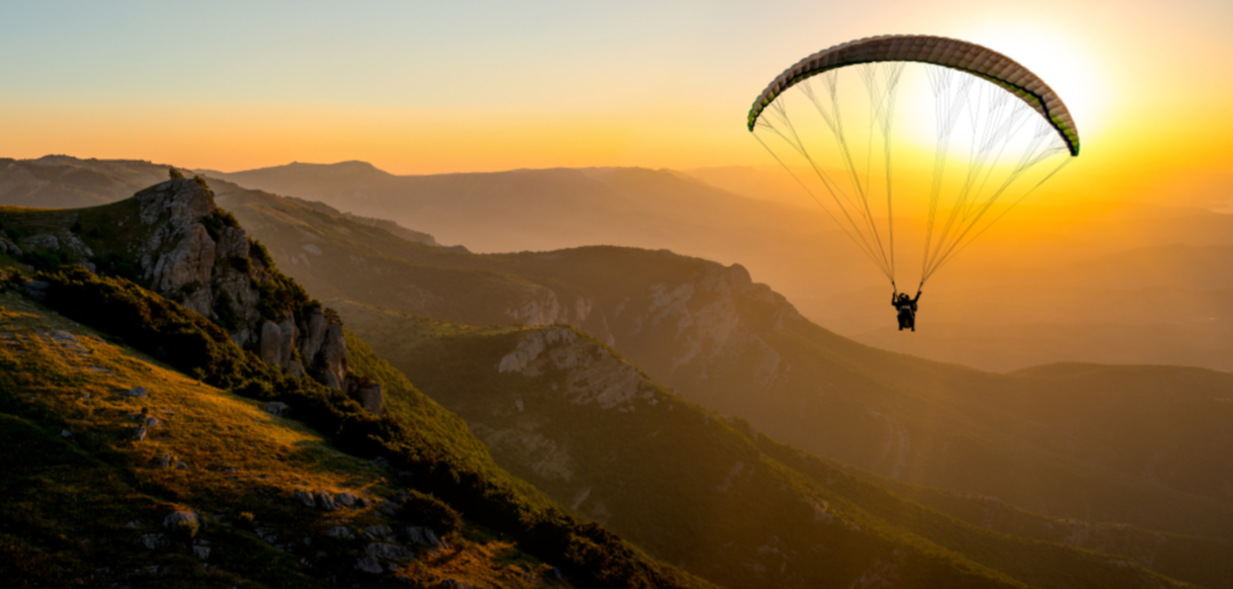
    One of the most exhilarating adventure activities in Solang Valley that gives you a sense of aliveness is this. It gives you the impression of a carefree bird with the ability to glide everywhere thanks to its wings. With this daring activity, inhale in the fresh air while exploring the mystic mountains. Himachal Aero Institute, located in Bilaspur, Himachal Pradesh, is another training facility that may provide you with the necessary instruction to launch your paragliding career. There are many well-known locations in the state where you can try paragliding. Your experience there will be one of a lifetime because of its stunning scenery. Likewise, this sport is not for the faint-hearted, and professionals will guide you the entire time.

  • Best for: Friends and family
  • Best time: Mid-December to February
  • Ticket expense: 1000-1500 INR
  • Location: Pabbar Valley, Bir or Billing, Solang, Manali, and Bijli Mahadeo
  • 9. Hiking

    Himachal Pradesh is the perfect place for trekkers to practice their sport, and they adore being there. Every year, a sizable number of tourists come here to go hiking. Trekkers can completely immerse themselves in nature thanks to the magnificent hiking trails surrounded by breathtaking scenery. You can bring your stuff or rent it from local hiking organizers. Pir Panjal, Dhauladhar, and Spiti Valley are the most well-liked trekking locations. The state has a lot to offer for hikers who enjoy mystic forests and hill towns.

  • Best for: Friends and family
  • Best time: Mid-December to February
  • Location: Pir Panjal, Shivalik
  • 10. Mountain Biking

    One of the more popular adventure sports in Himachal Pradesh is mountain biking. It involves cycling on the state’s rough, unpaved trails and occasionally even cross-country. This adventure sport combines the thrills and gradually gains momentum among thrill seekers. It is breathtaking because of the unsteady and difficult terrain and the stunning sight it delivers.

  • Best for: Youngsters
  • Best time: Year round
  • Location: Leh-Manali highway, Shimla-Rampur, Manali-Damp Hug, Tabo-Kaza, and Kaza-Losar
  • Discover the Majestic Allure of Prashar Lake & Spectacular Views

    Discover the Majestic Allure of Prashar Lake & Spectacular Views

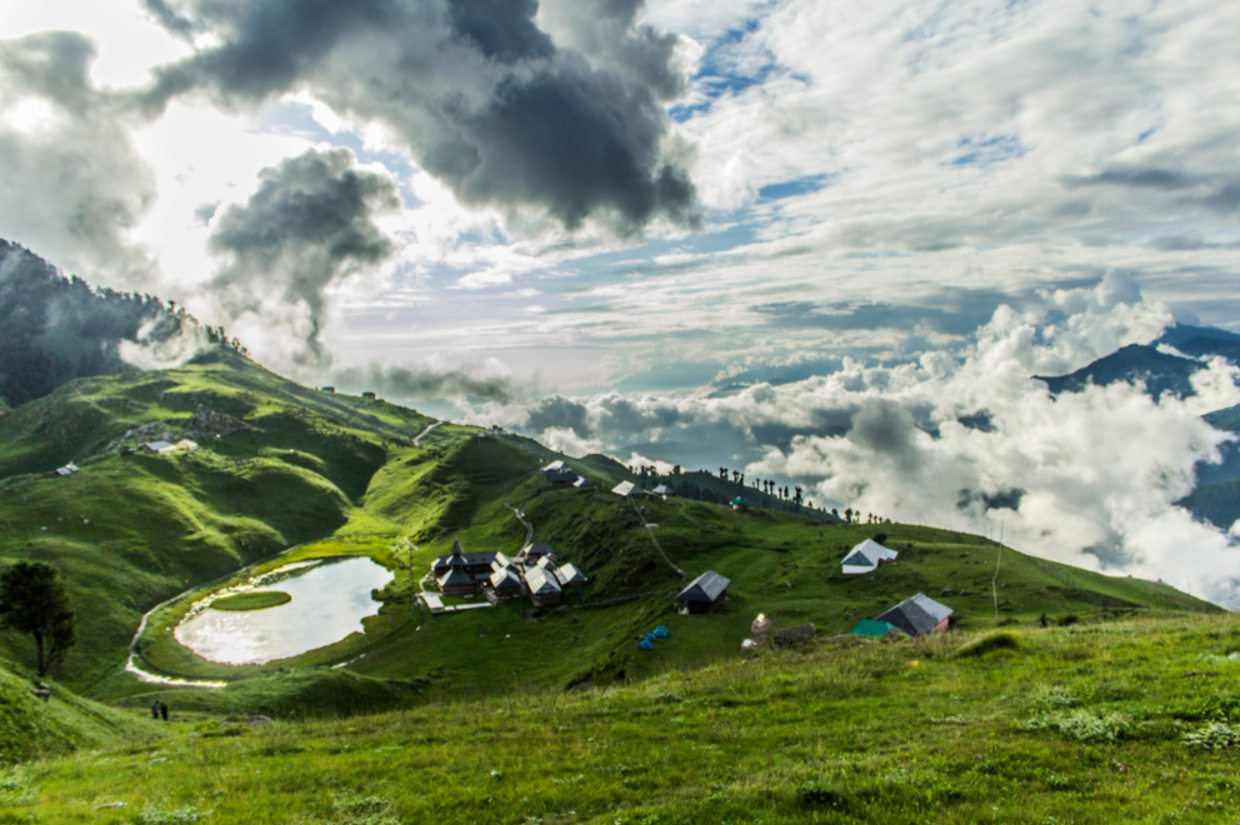
    In Himachal Pradesh, 49 km north of Mandi, you’ll find Prashar Lake, which is 2,730 meters above sea level. The Lake’s 93% water content is provided primarily by rainwater or glacier runoffs. The enigmatic floating island makes up the remaining 7%. The Lake’s 1.5 km L circumference translates to a surface area of about 2.5 acres. The Lake, which overlooks River Beas and is surrounded by stunning snow-capped mountains, is regarded as a representation of the beauty of nature. The Lake is situated in the district of Mandi’s highest point, providing views of the Sutlej River flowing in a southerly direction.

    A Brief Glimpse

  • Highest Altitude: 8600 ft
  • Duration of the trail: 2 Days
  • Ideal Months: January and February
  • Level of Complexity: Easy, Beginner
  • Covered Distance: 16 Km
  • State: Himachal Pradesh
  • Beginning Point: Panarsa
  • Finish Point: Panarsa
  • Closest Airport: Bhunter
  • Prashar Lake’s Mystifying Secrets

    One incredibly intriguing aspect of the Lake is the floating island. The Lake’s area comprises 79% water and 21% island. This is the same ratio that the earth shares between land and water. The floating island in the Lake is considered the planet’s axis of revolution, and this belief has kept the tourists on edge. In the morning, the island drifts eastward; by dusk, it has reached the west. The inhabitants predict disaster will strike when the island stops floating.

    The location has some mystical and enigmatic characteristics according to its folklore. According to one of these local legends, Sage Prashar prayed to Lord Ganesha when it was dry there, and he brought rain by himself. Since then, the locals have prayed to Lord Ganesha whenever the area has a drought, and he comes to bring rain. In addition, it is thought that numerous deities visit the Lake to take showers.

    This island is mysterious and a wonder of nature because no one has solved the question of why it is floating.

    Even after numerous attempts by numerous experts worldwide, the Lake’s depth is still unknown, which magnifies the mystery surrounding it. Individuals have even gone so far as to refer to the Lake as a “bottomless lake” because of the repeated failures to discover its depth.

    Prashar Lake Trekking Trail

    Two trek routes can be taken to go to Prashar Lake: Panarsa and Baggi Village. The one from Panarsa is more favored because of the breathtaking scenery it provides. However, it is even more appealing due to the superb year-round road conditions.

    Panarsa is conveniently reachable by road from Mandi, 60 kilometers away. Take a taxi or cab another 25 kilometers to reach Jwalapur hamlet, which serves as the trek’s base camp. You’ll pass by many apple orchards and free-flowing streams on the approach to the village, which is heartwarming. An 8-kilometer hike through alpine forests leads to the magnificent Prashar lake from Jwalapur Village.

    The route to Prashar Lake is tranquil while still challenging. Although its somewhat steep and slippery ascent makes it adventurous, it is nevertheless worthwhile despite the tranquility that the lush Himalayan forest gives. The rise is easy at first, but after 15 minutes of hiking, the terrain gets steeper. The trek is made much more worthwhile by the verdant green fields and breathtaking views of snow-capped mountains along the route. Finally, you reach the magnificent Lake Parashar, which resembles heaven, after another 3–4 hours of hiking.

    You can also read- https://himachal.blog/churdhar-trek-a-stunning-and-remarkable-himalayan/

    The Prashar Lake Mythology

    Another thing that draws crowds of believers from all over the country to the location is the tale connected to it. According to mythology, Lord Kamrunag considered the area quiet and serene. Due to this, he wished to stay there permanently when the Pandavas and divinity Kamrunag were returning following the Kurukshetra conflict. Consequently, Bhima, the sturdiest of the Pandava brothers, smashed his elbow into a mountain, causing a hollow now known as Lake Prashar. The Lake was given the name Kamrunag Lake in honor of the deity Kamrunag, and the area after that became known as Kamru Valley.

    Sage Prashar, thought to have spent a significant amount of time meditating on the river’s banks, is remembered by the name of the Lake. At the location of his meditation, Sage Prashar was honored by Raja Ban Sen, the king of Mandi, who also erected a pagoda-style temple with three stories. Another popular destination for tourists is the temple that is located beside the river.

    Ways to Reach Prashar Lake

    The closest airport to Panarsa is Bhuntar Airport, from which Panarsa may be reached via taxi. Although there are no direct trains from Delhi (making it a general starting point). The three stations with the best connectivity are Kalka (223 km), Ropar (253 km), and Pathankot ( 204 km ). The roads are well-built, and Prashar Lake connectivity is well-maintained.

    Bus service is readily available, which greatly facilitates commuting. It’s simple to find direct buses to Bhuntar. You can reach Panarsa, where your magnificent journey starts, on any bus headed toward Bhuntar.

    When to Explore Prashar Lake

    The serenity of Prashar Lake compels you to leave your concerns behind and completely unwind while strolling for its purpose.

    Depending on their preferences, different individuals visit the Lake in various seasons. At the same time, some like to travel in the summer, from March to May, when they can see lush green meadows. Others prefer to embark on an adventure excursion in the winter, from December to February, when the Lake is nearly frozen and the entire area is blanketed in snow. Because of the breathtaking appearance of the covering of snow that covers the entire area, winter months are generally favored.

    Due to the monsoon season’s risks, June to August is not particularly advised.

    Everybody’s heart can certainly come alive when they see the pristine and natural beauty of Prashar Lake. The Lake is nestled in mystifying and captivating Himachal Pradesh.

  • A Mini Vacation to Hatu Peak is Perfect Joy for the Soul

    A Mini Vacation to Hatu Peak is Perfect Joy for the Soul

    All About Hatu Peak

    Hatu Peak, a day-long hike in the tranquil village of Narkanda, has all the elements of an authentic Himalayan trip. The best thing about it is that it’s one of the hikes that only a few hikers are aware of. If you go in the first few weeks of March, you’ll enjoy pure white snow. This unusual hike offers snow walking through deep pine forests, breathtaking mountain views, and charming meadows.

    The holy Hatu Mata temple perfectly caps off the ascent. Providing its visitors with mesmerizing views of the lush green, snow-capped mountains. Hatu Peak Narkanda stands tall and sturdy. It is also Shimla’s tallest peak, covered with soaring mountains, dotted with clearing vistas, and built with fir, maple, and cedar. Its magnificent views amaze lovers of the outdoors. This trek is a short distance from Delhi for those who live in cities. A lot of pilgrims go to Hatu Peak Mandir to ask for blessings.

    Ideal Season to Visit Hatu Peak

    Most of the year, the weather at Hatu Peak is pleasant and cool. However, winter has arrived, and the weather has become frigid. As a result, you should pack enough winter clothing for your trip there. The ideal months to visit Hatu are generally thought to be April through October. This is because the temperature at Hatu Peak ranges from 8 to 20 degrees in the summer to -10 degrees in the winter.

    Ways to go to Hatu Peak

    By Rail:

    The closest railhead is in Shimla, which is well connected to other significant cities throughout the nation. The renowned Shimla-Kalka toy train departs from Shimla and is also accessible there.

    By Air:

    The closest airport to the city is Jubbarhatti Airport, located 23 km from Shimla. The remaining distance is amenable to road travel.

    By Road:

    On the way from Shimla to Rampur are the Narkanda Falls. Nearly 2.5 hours are needed to travel 62 km. From Shimla to Rampur, there are government buses that often run and cost about 70 bucks. Other transportation options include private cabs, which are about INR 1,500.

    Trekking Itinerary for Hatu Peak

    Follow the trail that leads to Thanedar as you leave Narkanda. You can walk for approximately a km until you reach a junction where three roads converge. This crossroads is nestled in a large clearing encircled by dense pine trees. Take the center-bound, winding street up into the pine forest. You can find a billboard that will direct you further. The road curves to the east before continuing on its gradual incline past trees that face the sun.

    This practically deserted avenue snakes its way around the mountainside, and you will be strolling on it for another hour. Then, three kilometers into the trip, the road abruptly diverges to the left, leading to a small clearing where you may get your first glimpse of the Himalayas, among the world’s most stunning mountain ranges.

    A few level-roofed shepherd houses are a defining feature of a larger clearing into which the path quickly reverts. The Gujjar Kotha is what people call this place. It’s the ideal place to halt and think, with a tiny dew pond looking out over the spectacular scenery of the mountain ranges. Continue along this road for another km until it suddenly turns wide to the south and abandons the edge that runs parallel to the street on the left. You emerge into a true hiker at this point, leaving the comfort of the easygoing road. Finding the trail that will take you to the Hatu crest would be best.

    Himalayan Range Panorama

    Jump down the ledge and follow the heavily-trafficked trail leading into the woods. Step over the line and continue. The road climbs over the edge, so turn left or right when you see it again. Cross the street, then continue ascending along the edge of the oak and pine trees grove. The trail quickly gains altitude beyond this point and rises impressively. It maintains a steady straight line in the direction of Hatu Top throughout this stretch.

    Although the path rarely straightens out to follow the mountain’s curvature, it generally maintains an easterly direction. The path widens to the head of the Hatu peak as soon as you reach 11,000 feet and start to feel dizzy.

    The hill’s crest reveals a panoramic view of the greater Himalayan range. Walk back to the path you originally took. People can use the highway to return to Narkanda if they are worn out and want to avoid the challenging trek.

    You may also read- https://himachal.blog/holy-shrine-of-the-blue-goddess-kali-bari-temple/

    Outlines of the Hatu Peak Trek

    Hatu Peak may be a small piece of heaven on earth, encircled by gorgeous mountains and draped in a lush green canopy of tall cedar and fir trees. Deodar, fir, tidy, cedar, and blue pine are all present in the forest, which is notable for its vibrant apple plantations.

    The Hatu Mata Temple, situated on an incline along Hatu Peak Road, is of exceptional religious significance to the locals. Mandodari, Ravana’s wife, is the subject of the sanctuary. The hikers see the vividly green snow-capped mountain that rises above the landscape. Hatu Peak accentuates every square inch of the pinnacle while standing tall and solidly.

    A tiny oven-like structure is located right next to the sanctuary. It is stated to have been used by the Pandava siblings to prepare their food. This was during the Agyaat Vaas, which adds to the peak’s historical and cultural importance! Nature lovers and adventure seekers will certainly appreciate the rich scene and surprising viewpoint.

    Camping at Hatu Peak

    Hatu Peak is a single-direction 7 km trek that is not hard and can be completed by novice hikers. Additionally, one can go camping at Hatu Peak and enjoy the starry night while relaxing in their tent.

    The Hatu Peak is an all-inclusive site for everyone looking for a profound encounter with adventure. It is a calm opportunity to go through with loved ones since it offers a stunning perspective on nature’s wondrous manifestations. It also provides a historical and authentic experience.

    The beauty of the pine forest will astound you when you begin the trail. The pines are magnificent and quite tall. The sheer size of the backwoods makes you think they must be several hundred years old.

    Take a stroll through the lush, high greenery and let the amazing views of nature captivate you! Your list of must-see attractions in Himachal Pradesh must include Narkanda.